Sarah Ferguson's Corgi Cloning Plan: Why Replicating Pets Is a Mistake
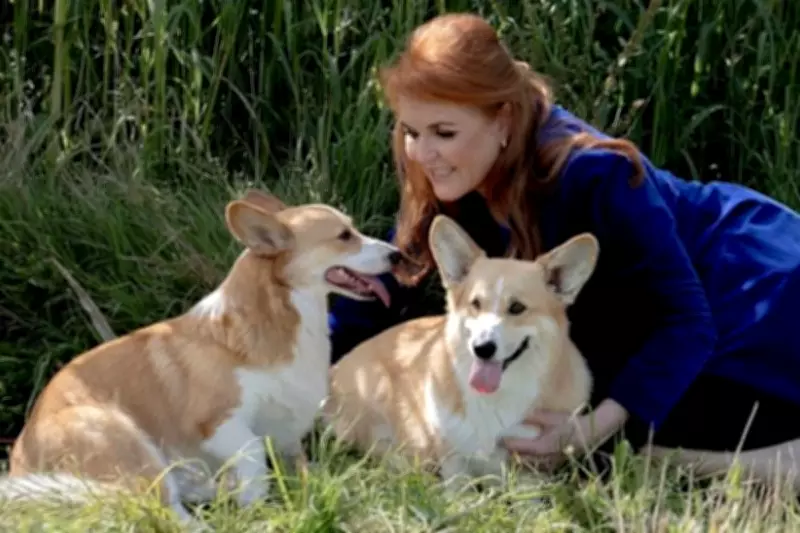
For grieving dog owners desperate to bring their beloved pets back, cloning might seem like the perfect solution to mend a broken heart. However, this approach could be detrimental for both humans and dogs, as argued by dog behaviourist Louise Glazebrook. Recent reports indicate that Sarah Ferguson, the former Duchess of York, was involved in discussions to clone the late Queen Elizabeth II's cherished corgis for a reality television series. This scheme allegedly aimed to generate revenue by selling replicated corgis to dog enthusiasts worldwide.
The Emotional Toll of Losing a Pet
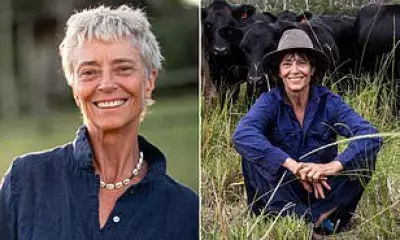
Losing a dog can feel incomprehensible, as these animals share our homes, daily experiences, and lives. When a palliative care vet assisted in putting down Glazebrook's 13-year-old rescue dog, Pip, the decision was gut-wrenching. Pip, a Smooth Coated Collie—a breed now on the vulnerable list—was unique, with people often stopping to inquire about his rare appearance. Despite the profound bond, Glazebrook never considered cloning any of her dogs, emphasising that each pet is one of a kind.
The Allure and Reality of Pet Cloning
High-profile figures like Sarah Ferguson and NFL player Tom Brady, who cloned his late dog Lua, have brought pet cloning into the spotlight. With over 1,200 successful pet cloning procedures globally in 2023, the industry is growing. However, cloning often stems from a desire to alleviate owner grief rather than benefit the dog. At a cost of approximately £45,000 in the UK, where cloning is illegal but samples are shipped to the USA, this money could be better spent on improving dog breeding and welfare standards.

Why Cloning Fails to Honour Individuality
As a dog behaviourist, Glazebrook bases her methods on the belief that every dog is unique, with distinct personalities and needs. Cloning overlooks this individuality, reducing a cherished pet to a mere copy. A cloned dog may look identical, but it cannot replicate the soul, experiences, or bond of the original. For instance, Glazebrook's deaf dog Cookie was irreplaceable, and cloning would not restore the connection they shared during a specific life phase.
Ethical and Practical Concerns
Cloning a dog does a disservice by failing to treasure them as individuals. It ignores how life circumstances, environment, and routines shape a dog's identity. Companies like Gemini Genetics describe clones as "twins," but visual similarity does not equate to the same dog. Instead, Glazebrook urges people to consider adopting one of the countless dogs worldwide seeking love and companionship, fostering genuine bonds without ethical compromises.