Fire Ants Breach Containment in Brisbane, Sparking Outbreak Concerns
The discovery of a fire ant nest in New Farm Park, Brisbane, has heightened fears that the invasive species is breaking through containment measures, potentially leading to a large-scale outbreak. This incident underscores the escalating threat posed by what authorities describe as one of the worst invasive species to reach Australia.
Sports Disrupted as Fire Ants Expand Their Territory
Recent weeks have seen a spate of last-minute cancellations of sporting events across south-east Queensland due to fire ant infestations. For instance, the Newmarket women's football team had its match against New Farm United postponed just hours before kick-off, with coach Craig Hughes expressing frustration over the disruption to players' schedules. Similar incidents have affected clubs from Redbank Plains to Coorparoo, highlighting the ants' encroachment into urban and recreational areas.
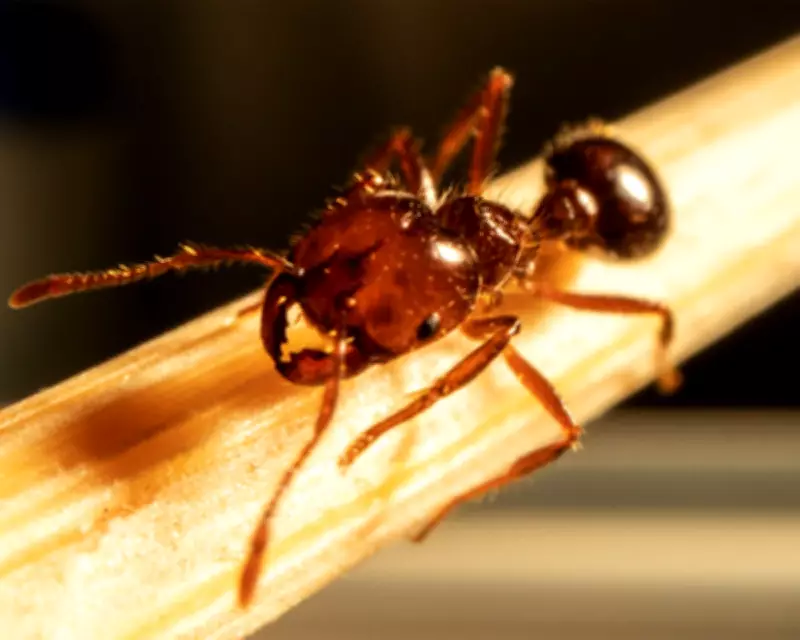
Fire ants are known for their aggressive swarming and painful stings, which can cause itching and burning for up to an hour, and in rare cases, fatal allergic reactions. Their presence in popular parks like New Farm Park, a heritage-listed site featured in the Bluey series, adds a layer of urgency to eradication efforts.

Containment Efforts Under Strain
The fire ant incursion, first detected in Brisbane in 2001, has been contained to about 1 million hectares in south-east Queensland through ongoing suppression. However, the Invasive Species Council of Australia warns that 2023 was a crisis year, with ants breaking containment zones and appearing as far as 800km away in central Queensland mines. Reece Pianta, advocacy manager at the council, emphasizes that without continued funding, which ran out in July, fire ants could spread nationwide, with Brisbane now experiencing a foretaste of the potential devastation.
Professor Nigel Andrew, an entomologist at Southern Cross University, argues that eradication using current techniques is no longer feasible. He predicts that next spring could bring an outbreak of hundreds more nests, particularly in manicured environments like sporting fields, which fire ants favor. Andrew points to the southern United States, where fire ants have caused billions in management costs since the 1930s, as a cautionary example for Australia.
Broader Implications for Australia
The fire ant threat extends beyond public safety to impact ecosystems, industries, and daily life. With a global population estimated at 20 quadrillion, ants already dominate many environments, but the red imported fire ant poses unique risks due to its invasive nature. As suppression efforts crack, the potential for widespread infestation looms, urging immediate action and research into more effective control methods.