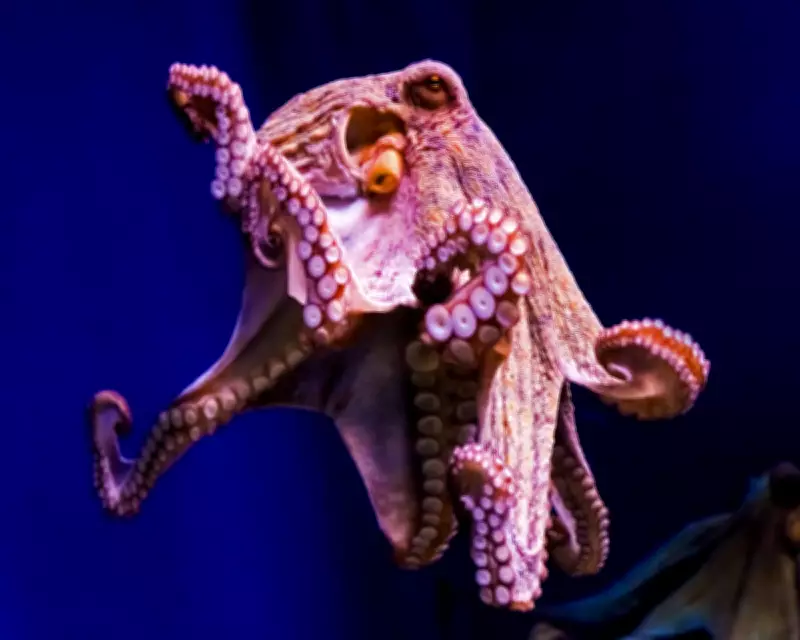
Scientific Inquiry Questions the Need for Amputee Octopuses in Research
A recent scientific study has ignited a significant ethical debate within the marine biology community, focusing on the necessity of using amputee octopuses in experimental research. The research, conducted by a team of international scientists, examines the regenerative abilities of octopuses, but critics argue that the methods involving amputation raise serious animal welfare concerns.
Ethical Concerns and Welfare Issues
The practice of creating amputee octopuses for studies on limb regeneration has come under scrutiny due to the potential suffering inflicted on these intelligent creatures. Octopuses are known for their complex nervous systems and cognitive abilities, leading many experts to question whether such invasive procedures are justified. Proponents of the research claim it is essential for understanding regeneration processes, which could have applications in human medicine, but opponents emphasize the moral implications and call for stricter regulations.
Alternative Methods and Scientific Advancements
In response to the controversy, scientists are exploring alternative, non-invasive methods to study octopus regeneration. These include:

- Using advanced imaging techniques to observe natural regeneration without causing harm.
- Developing computer models and simulations to replicate biological processes.
- Conducting observational studies in controlled environments that minimize stress to the animals.
Such approaches aim to balance scientific progress with ethical responsibility, potentially reducing the reliance on amputee octopuses in future research.
Impact on Marine Biology and Policy
The debate over amputee octopuses has broader implications for marine biology and research policies worldwide. It highlights the need for updated ethical guidelines that consider the welfare of cephalopods, which are increasingly recognized as sentient beings. Regulatory bodies are now reviewing current practices, with some advocating for a ban on amputations unless absolutely necessary for critical studies. This shift could lead to more humane research standards and foster public trust in scientific endeavors.
As the discussion continues, the scientific community faces a pivotal moment in re-evaluating its methods to ensure that the pursuit of knowledge does not come at the expense of animal well-being. The outcome of this debate may set a precedent for how other species are treated in experimental settings, promoting a more ethical approach to biological research.