Invasive Jumping Fish Terrorise Great Lakes Boaters
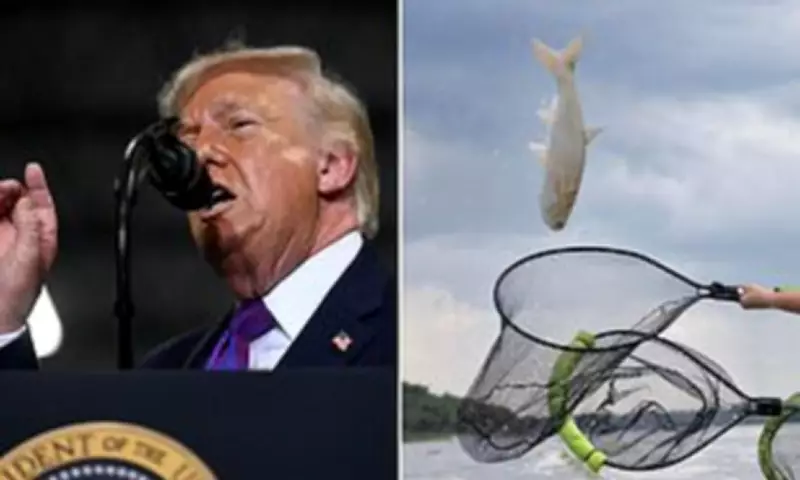
An invasive species of leaping fish has overwhelmed lakes and rivers across the United States, compelling fishermen and recreational water users to adopt extraordinary protective measures, including wearing helmets to avoid painful impacts. Asian carp, introduced to the US in the 1970s for algae control in aquaculture ponds, have proliferated wildly, creating a significant ecological and economic crisis in the Great Lakes region.
Human Safety Under Threat
Fishermen and families are experiencing direct physical harm from the airborne fish. Clint Carter, an Illinois fisherman, recounted to the Wall Street Journal being struck repeatedly on his arms, face, and legs by the carp. He described friends who have suffered broken bones, severe bruising, and even being knocked unconscious by the forceful collisions. In response, residents have devised unusual defences. One Illinois father insists his children wear football helmets while tubing, and he himself dons protective gear, including a cup, during water skiing. Boaters are also rigging nets to prevent the carp from flopping onto their vessels.
Ecological and Economic Peril
The threat extends beyond human safety. The carp are voraciously consuming the food supplies of native species like walleye, bass, and trout, accelerating their decline. Experts warn that if the carp continue migrating into the Great Lakes, they could devastate the region's vital $5 billion fishing industry. This escalating problem recently regained presidential attention following a visit from Michigan Governor Gretchen Whitmer, who urged President Trump to release frozen federal funds for a critical river barrier project.

Political Coordination and the Brandon Road Project
In March, President Trump announced a coalition to combat the rampant Asian carp, calling on governors from Illinois, Wisconsin, Minnesota, Pennsylvania, Ohio, Indiana, New York, and even referencing Mark Carney, the future Governor of Canada, to join the effort. Illinois Governor JB Pritzker has labelled the flying fish an existential threat to the Great Lakes. Central to the response is the Brandon Road Interbasin Project, a $15.5 million plan by the US Army Corps of Engineers designed to create a barrier featuring an electric deterrent, flush lock, guide wall, and engineered channels.
After months of delay, Trump supported the project's construction in a memorandum last year. Recently, management was shifted from Illinois to Michigan, with the Army citing Illinois as an unreliable partner delinquent on payments and commitments. Michigan Speaker of the House Matt Hall praised Trump as a great partner, stating the state is happy to take the lead. The project, however, is not slated for completion until 2031.
Creative Countermeasures and Rebranding Efforts
While awaiting long-term solutions, states have initiated innovative programs to control the carp population. Fish-catching competitions and culinary initiatives have become popular in affected communities. Notably, the Illinois Department of Resources attempted to rebrand the Asian carp as copi, short for copious, hoping to make the fish more appealing for consumption and reduce its numbers through increased fishing.
The Daily Mail has reached out to the US Corps of Engineers and the governors' offices of Illinois and Michigan for further comment on the ongoing crisis and mitigation strategies.