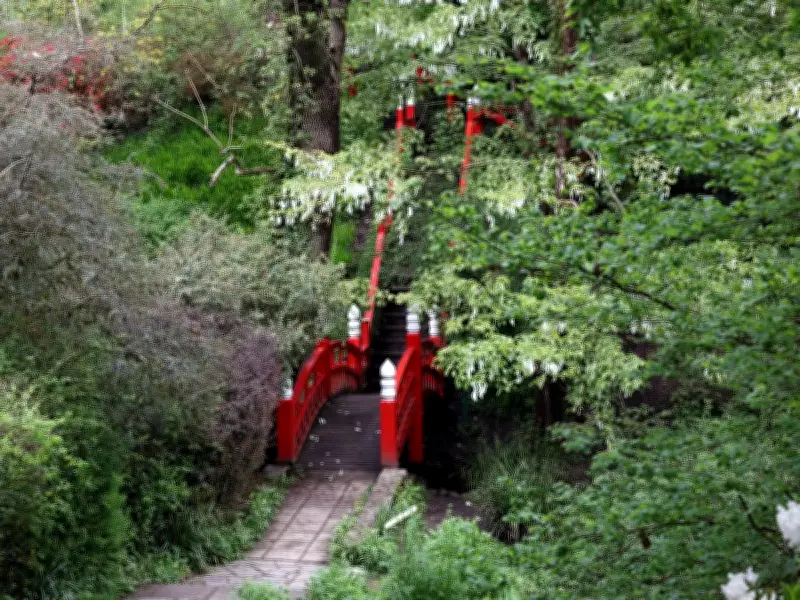
Restoration work is set to begin on The Japanese Bridge at Clyne Gardens in Swansea, seven months after the landmark was first fenced off due to health and safety concerns. The bridge, a Grade II-listed structure built in 1973 as an exact replica of an earlier bridge, has been closed to the public since March last year.
Structural Concerns and Detailed Surveys
Swansea Council cordoned off the bright red bridge after raising concerns about its structural features. The wooden structure has "fought against the elements for more than 50 years," according to the council. In May this year, specialist bridge inspectors were brought in to complete detailed surveys of the bridge.
Historic Background of Clyne Gardens
The bridge is part of the historic Clyne Gardens, which were shaped significantly by William Graham Vivian, the millionaire of Clyne, who purchased Clyne Castle in 1860. The estate passed to his nephew Algernon, 'The Admiral', in 1921, who owned it until his death in 1952. Algernon had the greatest influence on the gardens as they are seen today, including the landscaping, the bridge, the Admiral's tower, and the gazebo.
Planned Restoration Works
Contractors are due to move on site in the coming weeks to complete the restoration. Work includes renewing deteriorated timber deck planks and anti-slip surfacing, replacing corroded steel tie-bars, bracing and fixings, and securing the loose north-west bridge post. Damaged and decayed handrails along the northern approach and adjoining footpath will also be repaired or replaced.
The work will include repairs to local stonework, removal of vegetation and moss, and reinstatement of disturbed rocks beside the stream. Careful attention will be paid to the bridge's listed status, respecting its established appearance, materials, and setting, including the distinctive red-painted timber work and white decorative finials.
Timber testing has identified mahogany in part of the bridge parapet handrail and pine in the sampled approach handrails and finials, helping to inform appropriate repair materials. The project will help preserve the Japanese Bridge's character while improving its condition, safety, and long-term resilience.