Nearly 200 locations have been added to Historic England's annual Heritage at Risk Register, which highlights sites most in need of safeguarding. The register now includes almost 5,000 sites, with nearly 1,500 in a condition described as either "very bad" or having "extensive significant problems."
New Entries Include Historic Homes and Pubs
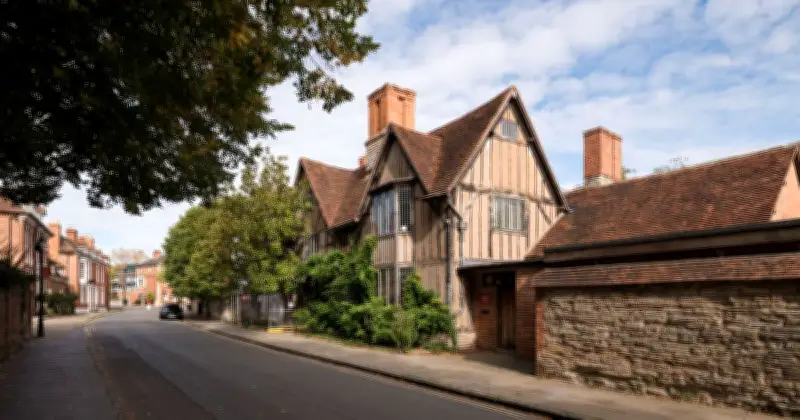
Among the new entries is Hall's Croft in Stratford-upon-Avon, the former home of Shakespeare's daughter, Susanna Hall. The main part of the building was constructed in 1613 and was added to the list due to significant conservation challenges. Work has begun to repair the timber frame and lime plaster to help bring the building back into use.
Hastings Castle in East Sussex, one of the first built by William the Conqueror after the 1066 invasion, has also been added. The White Lion pub in Barthomley, Cheshire, a thatched-roof pub closed for three years and in poor condition, is one of two pubs added, with the Barton Arms in Birmingham also now classed as at risk.
Churches and Other Structures at Risk
St Paul's Methodist Church in Shaw and Crompton, Greater Manchester, is in immediate risk of deterioration, with part of the church already collapsed. Development plans for the site have received objections. The Providence Place United Reformed Church in Cleckheaton, which made headlines last year when part collapsed into the street, is also on the register.
A writing chalet belonging to Charles Dickens in Rochester, Kent, is suffering from slow decay to its timbers and is largely inaccessible to the public. Other additions include a section of Canterbury City Walls, a World War II bombing decoy in the North Yorkshire Dales, Bridgnorth Town Hall in Shropshire, Horkstow Bridge in Lincolnshire, and Pembridge Castle in Herefordshire.
Positive Progress and Government Support
There have also been 85 formerly at-risk sites saved and removed from the list, including Newlyn Harbour in Cornwall, a Georgian terrace in Tottenham now home to artists' studios, and the Church of St Peter in Norfolk, a 10th century church with a Saxon round tower.
Claudia Kenyatta CBE and Emma Squire CBE, Co-CEOs of Historic England, said: "Our historic buildings and places help tell the story of where we live and contribute to the character and identity of local communities. Each year, the Heritage at Risk Register showcases the positive impact that restoring and reusing these special places can have."
Heritage Minister Baroness Twycross highlighted the £1.5 billion Arts Everywhere Fund, which supports efforts to save more than 1,000 arts venues, museums, libraries, and heritage buildings across England. She noted the removal of Newlyn Harbour from the list after it received a grant from the Heritage at Risk Capital Fund, while acknowledging the pressures facing the historic environment from ageing buildings and extreme weather.