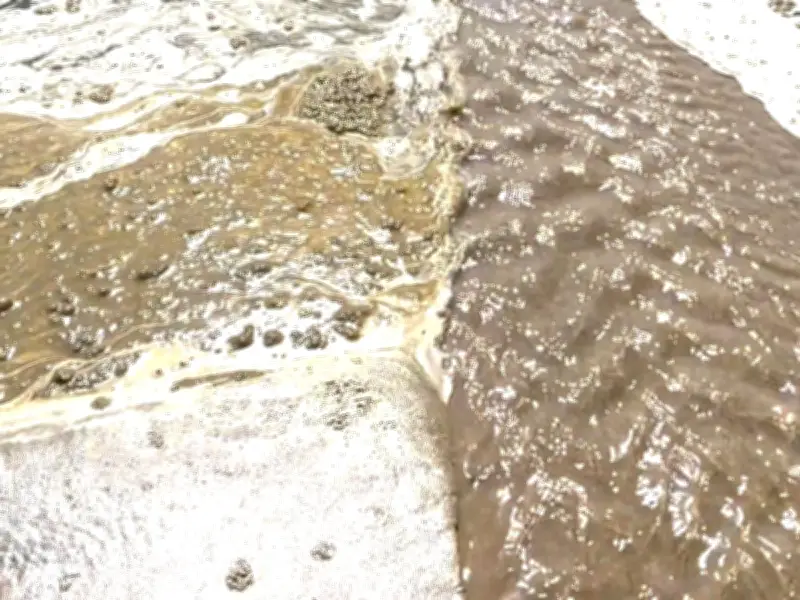
A married couple's day out at a Welsh beach was spoiled by what they believed to be raw sewage, but environmental experts have clarified it was actually an algal bloom, a frequent misidentification among beachgoers.
Couple's Disgust at Marros Sands
Geoff and Katharine Wembridge visited Marros Sands in Carmarthenshire on June 5 and captured their experience on video. In the footage, 63-year-old retiree Geoff Wembridge said, "Looking forward to a swim. Everywhere you look there's s*** – trails of it all along the beach." He shared the video with WalesOnline to raise awareness, stating the substance "disgusted us and ruined our day."
Official Response: Algae, Not Sewage
Dŵr Cymru Welsh Water denied responsibility, noting that none of its nearby storm overflows had spilled in the days before June 5. Natural Resources Wales (NRW) later confirmed the matter was algal bloom rather than sewage. An NRW spokeswoman said, "At this time of year, we often receive reports of suspected sewage pollution along the coast, and these reports can turn out to be the breakdown of algal blooms." Algal blooms, which include seaweeds and tiny plants, can appear as green flakes, greenish bundles, or brownish dots, and are often triggered by warmer temperatures and increased sunlight.
Context: Previous Similar Incidents
This follows a similar event last month at Gwynedd's Porthdinllaen beach, where swimmers mistook brown seawater for sewage, later confirmed as algae. NRW advises avoiding contact with algal blooms as some can be toxic.
Broader Sewage Pollution Concerns
The Wembridges, who own a holiday home in Saundersfoot, expressed ongoing frustration with sewage pollution on Welsh beaches. Geoff Wembridge noted, "The pollution of the beaches around Amroth and Pendine is often visible and smelly. All too often these days we come across sewage all over such beaches, and have given up writing to complain." They previously received a response from Dŵr Cymru's chief operating officer, Steve Wilson, who explained that storm overflows prevent home flooding during heavy rain and that releases are "very dilute" surface water, permitted by NRW and the Environment Agency. He acknowledged the need to reduce overflow usage, with a commitment to low environmental impact by 2040.
Political and Regulatory Reaction
Henry Tufnell, Labour MP for Mid and South Pembrokeshire, responded to a complaint from Katharine Wembridge, stating he was "deeply concerned" about Dŵr Cymru's failures despite its not-for-profit model. He noted that storm overflow spills are "so much worse in Wales compared to other parts of the UK" and criticized the lack of a coherent strategy to reduce spills, vowing to monitor progress.
Distinguishing Algae from Sewage
NRW highlights key differences: algal blooms typically occur between April and August, forming long lines of foam off headlands or thick mats on shorelines. In contrast, sewage discharges cause grey water discolouration, often originating from a pipe or outfall, and may contain fats and oils that flatten waves and attract seabirds.