England Recovers from Drought but Faces New Climate Challenges
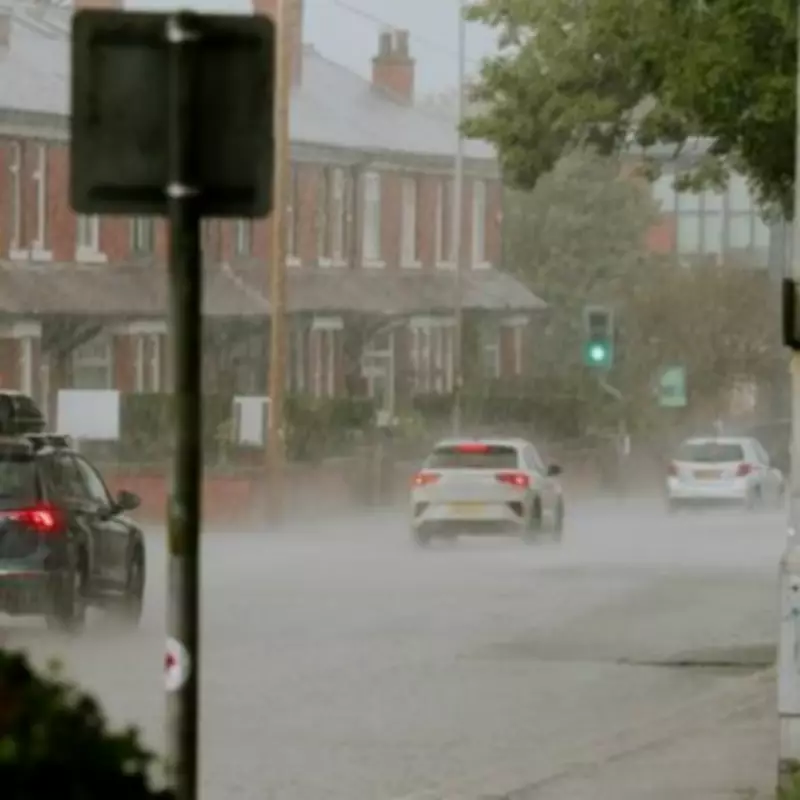
The Environment Agency has announced that England has officially bounced back from drought conditions following four consecutive months of above-average rainfall, which brought widespread flooding to many regions. This significant recovery marks a dramatic shift from the severe water shortages experienced just last year.
All Regions Now in 'Normal' Status
East Anglia has become the final region to emerge from the recovery phase, meaning all areas across England are now classified as having normal water status. This announcement follows the latest meeting of the National Drought Group, which includes representatives from the Met Office, government agencies, water companies, the National Farmers' Union, the Canal and River Trust, anglers, hydrologists, and conservation experts.
Helen Wakeham, chairwoman of the National Drought Group and director of water at the Environment Agency, commented: "Last year's drought was challenging for everyone, affecting our farmers, our wildlife, and our public water supplies. The winter rainfall has helped our depleted reservoirs and rivers to recover and, whilst we welcome the improved picture, we are mindful of the problems that flooding brings too."

The Emerging Threat of 'Weather Whiplash'
Despite the current favourable conditions, officials have issued a stark warning about future climate patterns. The Environment Agency specifically highlighted the growing risk of weather whiplash – rapid and extreme shifts between drought and flooding conditions. This phenomenon is expected to become more frequent and severe due to ongoing climate change.
Additionally, the agency noted the possibility of flash droughts, which can be triggered by sudden combinations of extremely low rainfall and high temperatures. These conditions were last experienced during the summer of 2022 and could reoccur with little warning.
Contrasting Weather Patterns Across England
The recent recovery presents a stark contrast to conditions just one year ago. In 2025, England experienced:
- The driest spring in 132 years
- A hot, dry summer with record temperatures and repeated heatwaves
- Widespread crop failures as farmers struggled to grow produce
- Significant damage to river and stream habitats
- Hosepipe bans affecting millions of households
This winter, however, brought dramatically different conditions. February alone saw 170% of the long-term average rainfall, while March has been drier with just 53% of the month's average recorded thus far. The South West experienced its second-highest December to February rainfall since records began in 1871, leading to extensive flooding across the region.
Current Water Resources and Regional Variations
Overall reservoir storage for England now stands at 95% capacity, which is slightly above average for this time of year. Soils have been fully replenished, while groundwater and river flows are normal or above normal throughout the country. No water company restrictions are currently in place.
However, some regional variations persist:
- Abberton and Hanningfield reservoirs in Essex remain below average levels
- Grafham reservoir in Cambridgeshire is still recovering
- The Dove Group in Derbyshire continues to operate below average capacity
- East Anglia's river and groundwater levels have been slower to bounce back compared to other regions
Government and Industry Response
Water minister Emma Hardy emphasized the need for continued vigilance despite the improved conditions: "Despite our recent wet weather, we must still talk about drought. Our climate is changing, droughts are becoming increasingly common, and we need to be prepared."
The government has mandated that water companies update their draft statutory drought plans by the end of March and prepare for more extreme dry weather scenarios. Wakeham added: "We enter spring in a favourable position, but we can never be complacent. We expect water companies to carry on quickly fixing burst pipes and to be ready to enact their drought plans in a timely manner, if needed."

This comprehensive approach reflects the growing recognition that England's water management must adapt to increasingly volatile weather patterns driven by climate change, balancing the dual threats of drought and flooding that characterize the emerging phenomenon of weather whiplash.