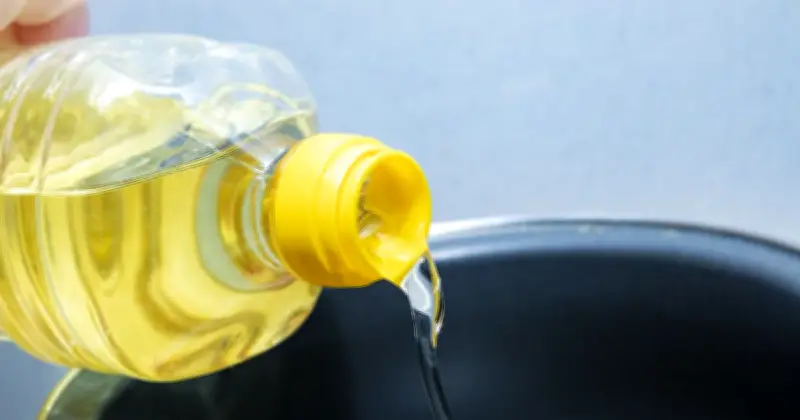
Waste experts have a unanimous answer for how to dispose of leftover cooking oil: never pour it down the sink. Whether you use olive, vegetable, or sunflower oil, pouring leftover oil down the drain can cause blockages and other plumbing issues, according to experts.
Experts recommend cooling and binning oil
Martin Garbutt, Head of Technical Governance at Ding, said: "Fats and oils are among the most common contributors to household drain blockages. Although they enter the drain as liquids, as happens with most sauces, they solidify as they cool. This causes them to stick to the inside of the pipes, narrowing the passage of water and creating blockages."
Instead, he recommended allowing the fats or oils to cool and solidify before disposing of them in the household waste. The correct disposal route for most households is to allow the oil to cool completely, pour it into a sealed container such as the original bottle or a jar, and place it in the general waste bin. Many local councils and household waste recycling centres also accept cooking oil for recycling into biodiesel.
Home expert echoes the same advice
Chris Houghton, home expert at HomeServe, echoed this advice: "Disposing of oil properly is easy. Let it cool completely in the pan, then pour it into a sealable container such as an old jar or bottle, screw the lid on and put it in your general waste bin."
He added: "For small amounts, simply wipe the pan with kitchen roll and bin it. If you’ve got a large quantity, for example, after using a deep fat fryer, most household waste recycling centres will take used cooking oil, so check your local council’s website. Some councils also accept small amounts soaked into kitchen roll in food waste caddies."
How oil damages plumbing and public sewers
Houghton also pointed out that incorrect disposal affects more than just your own home. He said: "Hot oil looks harmless because it’s liquid, but as soon as it cools in your pipes it thickens and sets, coating the inside of the pipework. Food scraps and other debris then stick to it, and over time it builds into a blockage."
Even small amounts solidify as they cool and combine with other waste in pipes to form fatbergs, which are one of the most costly and damaging problems facing the UK's sewer infrastructure. Houghton noted: "Once it’s past your property, the same fat combines with wet wipes and other waste in the sewers to form fatbergs, which can cause sewage to back up into homes and streets." A single blocked drain can cost thousands to clear, and the environmental impact of oil reaching waterways is significant.
Jamie Campbell, Operations Director at Kane Enviro, agreed: "Used cooking oil should never go down the sink. For larger quantities, specialist cooking oil collection services will collect and process it commercially. The key message is simple: keep it out of the drain at all costs."