
The UK must mobilise resources to cope with the loss of biodiversity caused by heatwaves and wildfires, as ecosystems are pushed beyond their evolutionary limits. This week, millions are baking in unprecedented heat, with the Met Office issuing a rare red weather warning. Temperatures are forecast to hit 39°C in Bristol, and the June record of 35.6°C is almost certain to be broken.
Infrastructure and Nature Under Strain
The country's infrastructure is straining: millions of homes are overheating, rail operators warn against non-essential travel, and hospital admissions are set to surge. The Climate Change Committee concluded last month that the UK is built for a climate that no longer exists. But it is not just humans struggling; the UK's landscapes and wildlife, shaped by thousands of years of predictable weather, are facing extremes.
Craig Bennett, CEO of the Wildlife Trusts, said: “If we think this is bad now, we ain't seen nothing yet.” He represents 47 independent wildlife conservation groups across the country.
Ancient Trees and Biodiversity Loss
Last week, The Major oak in Sherwood Forest—estimated to be between 800 and 1,200 years old—was pronounced dead. Experts cite extreme heat and drought as contributing factors. A single mature oak supports over 2,300 species, but its death symbolises the challenges native species face nationwide. Preliminary research shows many ancient woodlands are failing to regenerate, with climate change believed to be a major driver.
“Climate change is causing stress for all kinds of species. Most have not evolved in the conditions we are now experiencing,” Bennett said.
Disruption of Seasonal Patterns
Climate change disrupts the seasonal patterns wildlife relies on. Birds hatch eggs to coincide with insect abundance, and small mammals depend on autumn fruit for winter survival. Met Office scientists predict 45°C by 2056. In July 2022, when temperatures surpassed 40°C, swifts fell from the sky in London, and dehydrated animals were brought to the RSPCA. Many nature reserves “went silent” as species took shelter. The lack of water caused trees to drop leaves in summer instead of autumn.
Wildfires and Landscape Change
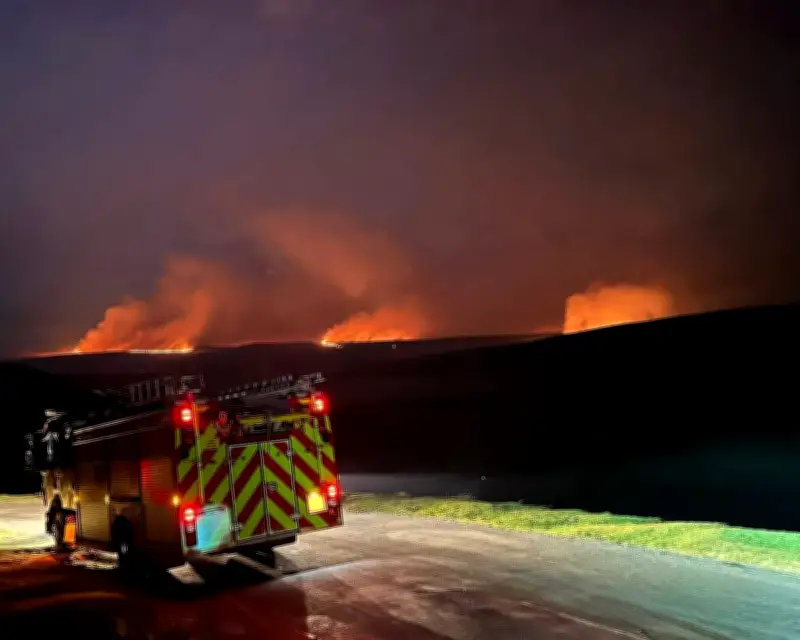
Wildfires have become more regular. British landscapes—peat bogs, heathland, forests, and farmland—have been shaped by rain and mild temperatures. Hotter, drier conditions turn landscapes brown and prone to flames. 2025 was a record year for blazes, with the largest around Dava in the Scottish Highlands, described as the country's first megafire. Wildfires destroy habitat, seed banks, and kill species unable to escape.
“It's really hard for wildlife to recover after a blaze, particularly in areas seeing repeated fires,” Bennett said. “If a heatwave like this lasted two months, the countryside would be tinder dry.”
Wetland Restoration as a Solution
Britain has lost 90% of its wetland habitats in the last 500 years. Bennett argues for restoring and creating new wetlands to keep water in the landscape. Reintroduction of beavers has helped by keeping flooded areas wetter longer, protecting native species and recharging aquifers. But this needs to be done at a much greater scale.
“The Westminster government is always excited about creating new forests,” Bennett said. “But I want us to become obsessed with creating thousands of wetlands across the country and start getting politicians competing over how many they can create.”
Assisted Migration and Species Introduction
Some conservation groups advocate for “assisted migration”—moving species outside their historic ranges to adapt to climate change. This is already used in parts of the US and Canada. Forestry England has listed species likely to thrive in future climates, including natives like sycamore and rowan, and non-natives like Corsican pine. However, this could fundamentally change landscapes and risk invasive species.
“First and foremost, we should do everything we can to help our native species,” Bennett said. “There are big debates about whether to introduce species from Mediterranean climates. We might also need to help species move north and make habitats better connected.”
How to Help Wildlife During Heatwaves
Everyone can help wildlife in extreme weather. Providing water is essential—a garden pond or even a bucket for birds and invertebrates. Trees and scrubland offer shelter. “Having vegetation on buildings is helpful. Ivy cools buildings and provides habitat for bugs and birds. Not cutting your lawn too short helps it stay resilient and supports species,” Bennett said. In prolonged heatwaves, leaving food out for struggling animals, like slugs for hedgehogs, can help.
Bennett concluded: “We're heading to a much hotter future where heatwaves like this will become the new normal. We need to start planning now. Nature can be one of our greatest allies.”




