Trump Administration Confronted with Legal Challenge Over EPA Climate Policy Changes
In a significant development, environmental advocacy groups have initiated a major lawsuit against the Trump administration, targeting the Environmental Protection Agency (EPA) for its recent rollbacks of climate-related regulations. The legal action alleges that these policy changes contravene federal statutes and pose substantial risks to public health and environmental sustainability.
Details of the Lawsuit and Allegations
The lawsuit, filed in federal court, contends that the EPA under the Trump administration has systematically weakened or repealed key environmental protections designed to combat climate change. Plaintiffs argue that these actions fail to adhere to the requirements of laws such as the Clean Air Act and the National Environmental Policy Act, which mandate rigorous scientific review and public input in regulatory decisions.
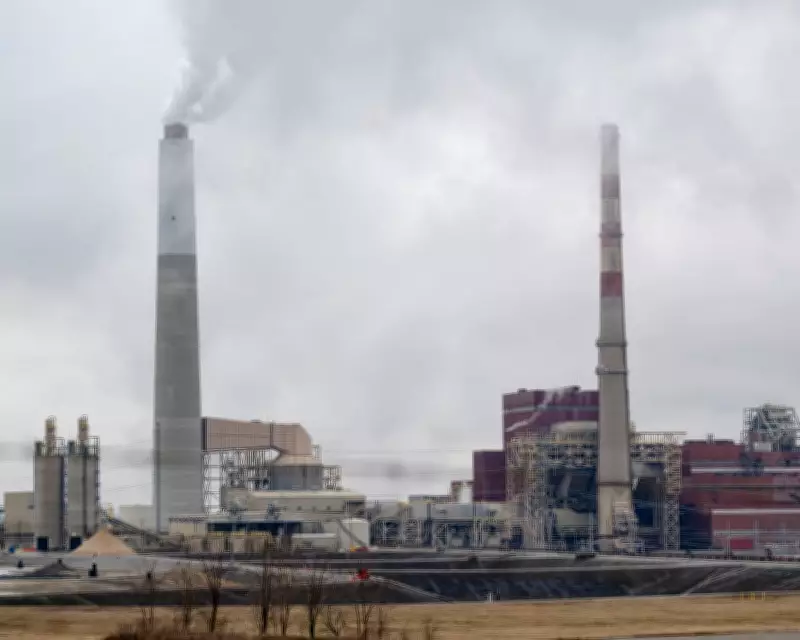
According to the complaint, the rollbacks include revisions to emissions standards for power plants and vehicles, as well as modifications to rules governing methane leaks from oil and gas operations. Environmental groups assert that these changes could lead to increased greenhouse gas emissions, exacerbating global warming and its associated impacts, including more frequent extreme weather events and health issues like respiratory diseases.

Broader Implications for Environmental Policy
This legal challenge highlights the ongoing tension between the Trump administration's deregulatory agenda and efforts to address climate change. Supporters of the lawsuit emphasize that robust environmental regulations are essential for protecting ecosystems and human well-being, while critics of the administration's policies warn that rolling back these rules could undermine international climate agreements and domestic environmental goals.
The outcome of this case could set important precedents for how federal agencies implement environmental laws, potentially influencing future administrations' approaches to climate policy. Legal experts note that similar lawsuits have been filed in recent years, reflecting a broader trend of using the judiciary to contest environmental rollbacks.
As the case progresses, it is expected to draw significant attention from policymakers, industry stakeholders, and the public, underscoring the critical role of legal mechanisms in shaping environmental governance. The plaintiffs are seeking court orders to reinstate the original regulations and ensure compliance with federal environmental statutes.