
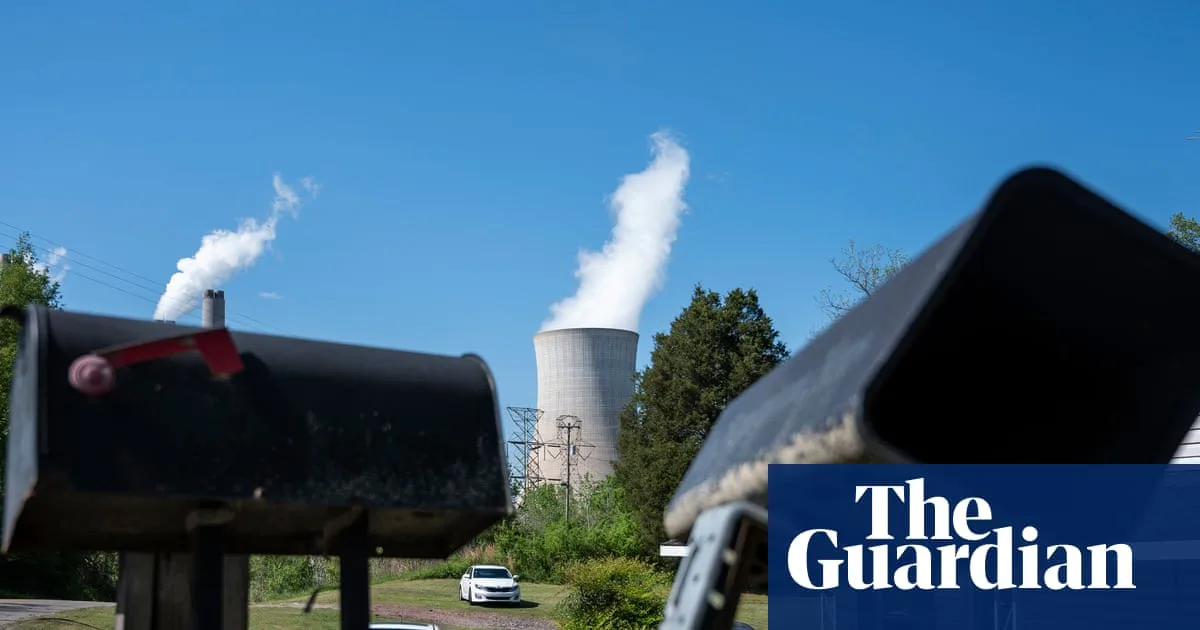
Almost all coal-fired power plants in the US could have complied with stricter mercury pollution limits, yet the Trump administration chose to scrap the rules anyway, according to an analysis by the Environmental Protection Agency (EPA). The EPA found that only 27 out of 219 coal plants would have needed upgrades to meet the 2024 Mercury and Air Toxics Standards (Mats), which were introduced under Joe Biden and later reversed by Donald Trump.
The Trump administration said the rules would have “destroyed reliable American energy”, according to EPA administrator Lee Zeldin. However, environmental groups argue the rollback is unnecessary. “It’s infuriating that this rollback is happening given that only a small number of coal plants would have to make upgrades,” said Surbhi Sarang, senior attorney at the Environmental Defense Fund (EDF). “We can easily have a reliable grid and cleaner air at the same time.”
The Mats rules, first enacted in 2012, limit emissions of neurotoxic pollutants such as mercury, lead and arsenic, which are linked to brain damage in children, heart disease and cancer. The Trump administration has also granted emergency exemptions to 71 coal plants across 24 states, allowing them to bypass the rules entirely. Records obtained by the EDF show that none of these requests were denied, and exemptions were often provided for longer periods than requested.
Major facilities such as the James H Miller coal plant in Alabama—the largest single greenhouse gas emitter in the US—received waivers. “The president just did a blanket exemption without looking at the facilities or tailoring the requests in any way,” said Sarang. “It was just send an email to the EPA and get a free pass to pollute.”
The rollback is part of a broader effort by Trump to revive the coal industry, including forcing plants to stay open beyond retirement dates and requiring the Department of Defense to purchase coal-fired electricity. This month, Trump was crowned “undisputed champion of beautiful clean coal” at a White House ceremony. The EPA did not address questions on plants' ability to meet the 2024 standards, but said the rule imposed “massive costs and red tape”.




