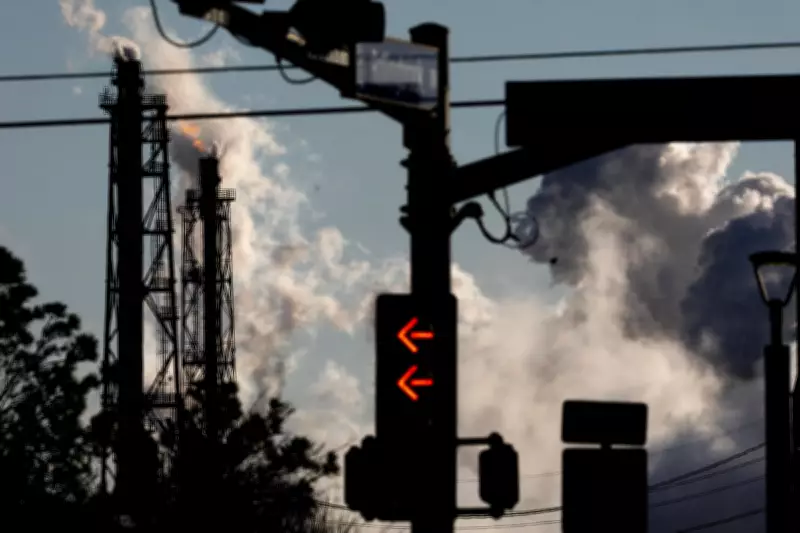
The Trump administration has declared its intention to roll back critical air pollution regulations targeting mercury and hazardous air toxics from coal-fired power plants. This announcement was made at an event in Kentucky on Friday, with officials arguing that the move will bolster baseload energy production to meet soaring electricity demands, particularly from the expansion of data centers driven by artificial intelligence.
Health and Environmental Concerns Mount
Environmental and public health groups have issued stark warnings, asserting that weakening these standards will lead to significantly higher health-related costs. Mercury, a potent neurotoxin known to impair brain development in infants, is a primary concern. The Biden-era Mercury and Air Toxics Standard (Mats), which updated rules from 2012 under the Obama administration, had aimed to reduce allowable mercury pollution by 70% and cut emissions of toxic metals like nickel, arsenic, and lead by two-thirds.
According to the Environmental Defense Fund, these regulations were projected to yield health cost savings of $420 million through 2037. Despite this, the Supreme Court recently declined to suspend the rules after legal challenges from Republican-led states and industry groups, leaving them in force temporarily.

EPA's Justification and Industry Impact
The Environmental Protection Agency (EPA) stated that the 2012 Mats rule already provides "an ample margin of safety to protect public health." It further argued that proposed additions in 2024 would impose costs outweighing their benefits. Utilities have been gradually phasing out ageing coal-fired generators, which are major sources of mercury and carbon emissions, but the Trump administration has prioritized reducing regulatory barriers.
Last year, Trump declared an "energy emergency" to justify keeping ageing coal plants operational and exempting them from key air regulations. As part of this initiative, a proclamation was issued inviting coal plants to request exemptions from Mats regulations for two years via email, resulting in 68 plants being granted such waivers.
Broader Regulatory Shifts
In a related development, the EPA recently announced the repeal of the "endangerment finding," which had granted the agency authority to regulate greenhouse gas emissions. Concurrently, the White House directed the Pentagon to purchase power from coal plants for military use, reinforcing the administration's support for the coal industry.
Coal-burning power plants remain among the largest sources of hazardous air pollution, emitting substances like mercury, lead, arsenic, acid gases, benzene, formaldehyde, and dioxins. Despite this, coal plants generate less than 20% of U.S. electricity, according to the Energy Information Administration.
The debate continues as environmental advocates stress the long-term health implications, while the administration focuses on immediate energy needs and economic considerations.