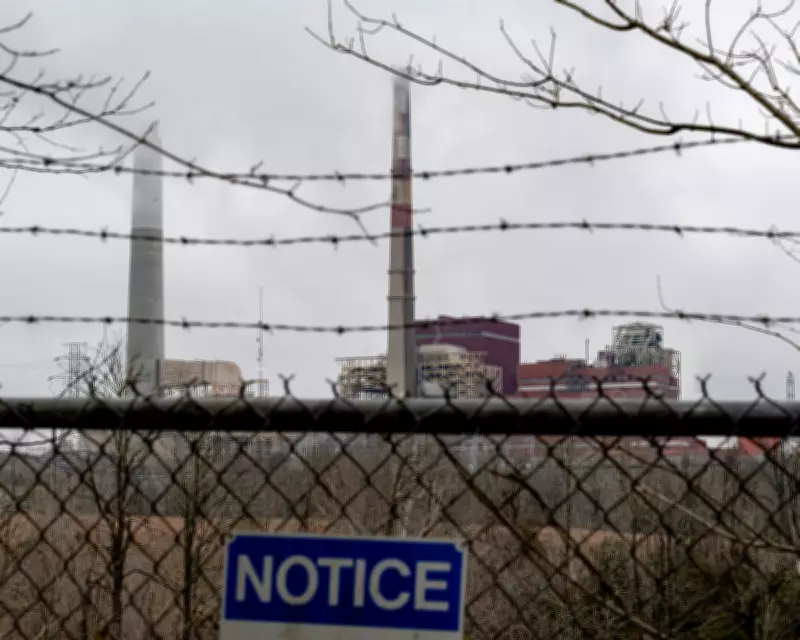
The Environmental Protection Agency (EPA) under the Trump administration has initiated a series of regulatory rollbacks that are significantly impacting public health amidst the escalating climate crisis. These actions, which include weakening air quality standards and reducing emissions controls, are raising alarms among health experts and environmental advocates who warn of dire consequences for communities across the United States.
Health Risks from Weakened Regulations
By dismantling key environmental protections, the EPA is exposing millions of Americans to increased levels of pollutants such as particulate matter and ozone. Studies have linked these pollutants to respiratory diseases, cardiovascular problems, and premature deaths, particularly in vulnerable populations like children and the elderly. The rollbacks are seen as a direct threat to decades of progress in improving air quality and safeguarding public health.
Climate Crisis Exacerbation
These regulatory changes are not only harming health but also intensifying the climate crisis. Reduced emissions controls contribute to higher greenhouse gas outputs, accelerating global warming and its associated effects, such as extreme weather events and rising sea levels. This dual impact underscores the interconnectedness of environmental policy and public health outcomes.

Community and Expert Responses
Public health organizations and environmental groups have voiced strong opposition to the EPA's actions, citing evidence of increased hospital admissions and health disparities in affected areas. Critics argue that the rollbacks prioritize short-term economic interests over long-term well-being, putting communities at risk for years to come.
In summary, the Trump administration's EPA policies are creating a perilous situation where public health is compromised in the face of a growing climate emergency, highlighting the urgent need for robust environmental governance.