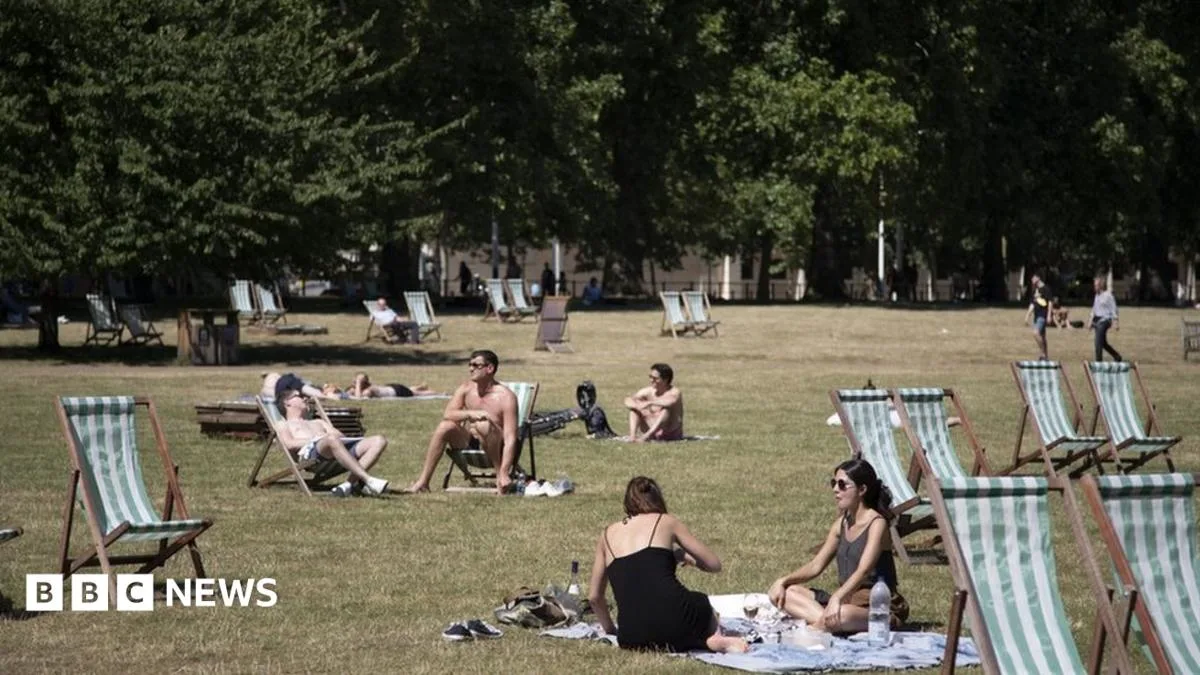
The Silent Killer: Essential Facts About Heatwaves in the UK
The Silent Killer: Essential Heatwave Facts for the UK

Heatwaves, often described as a silent killer, pose a significant threat to public health in the United Kingdom. While they may not cause the dramatic destruction of floods or storms, heatwaves claim more lives than any other natural disaster in the country. Understanding the risks, recognizing the symptoms, and knowing how to stay safe are crucial steps in mitigating the impact of these extreme weather events.

What Makes Heatwaves Dangerous?

Heatwaves occur when temperatures remain abnormally high for several days and nights. The human body struggles to cool down, leading to heat-related illnesses such as heat exhaustion and heatstroke. Vulnerable groups, including the elderly, young children, and those with pre-existing health conditions, are at the highest risk. However, even healthy individuals can suffer if they are not careful.

Key Health Risks

  • Heat Exhaustion: Symptoms include heavy sweating, weakness, cold and clammy skin, a weak pulse, and fainting. Immediate action is required to cool the body.
  • Heatstroke: A medical emergency characterized by a high body temperature (above 40°C), hot and dry skin, a strong and rapid pulse, confusion, and unconsciousness. Call 999 immediately.
  • Dehydration: Even mild dehydration can cause headaches, dizziness, and fatigue. Severe dehydration can lead to kidney failure and other complications.

How to Stay Safe During a Heatwave

The UK Health Security Agency and the Met Office provide clear guidance on how to protect yourself and others during a heatwave. Follow these essential tips:

Wide Pickt banner — collaborative shopping lists app for Telegram, phone mockup with grocery list

Stay Cool

  • Keep your home cool by closing curtains during the day and opening windows at night.
  • Use fans or air conditioning if available, but ensure they are properly maintained.
  • Avoid strenuous physical activity during the hottest part of the day (11 am to 3 pm).

Stay Hydrated

  • Drink plenty of water throughout the day, even if you do not feel thirsty.
  • Avoid alcohol, caffeine, and sugary drinks, as they can dehydrate you further.
  • Eat light, frequent meals; avoid high-protein foods that increase metabolic heat.

Check on Others

  • Look after older relatives, neighbors, and those who live alone.
  • Ensure children and pets are not left in cars, even for a short time.
  • Visit friends and family who may be at risk, especially if they are isolated.

Recognizing the Signs of Heat Illness

It is important to recognize the early signs of heat-related illness. If you or someone else experiences symptoms of heat exhaustion, move to a cool place, lie down, and drink water. If symptoms worsen or do not improve within 30 minutes, seek medical help. For heatstroke, call 999 immediately and cool the person down with cold packs, wet cloths, or a cool bath until help arrives.

Long-Term Trends and Climate Change

Climate change is making heatwaves more frequent, intense, and longer-lasting in the UK. According to the Met Office, the number of heatwave days has been increasing over the past few decades. This trend is expected to continue, making it essential for individuals, communities, and governments to adapt. Measures such as improving building insulation, creating green spaces, and implementing early warning systems can help reduce the risks.

Heatwaves are a serious threat, but with awareness and preparation, we can protect ourselves and our loved ones. Remember, the best defense is prevention. Stay informed, stay cool, and stay safe.

Pickt after-article banner — collaborative shopping lists app with family illustration




