
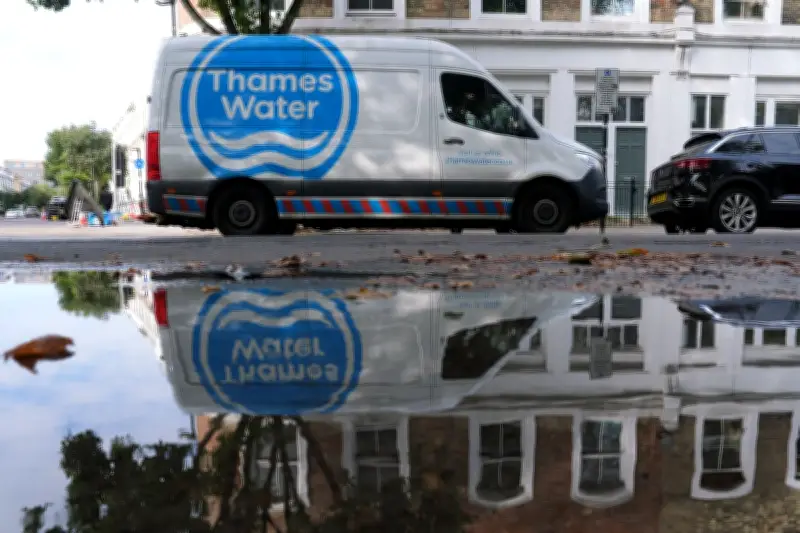
Thames Water discharged untreated sewage into the River Thames in West London for more than 14 uninterrupted hours earlier this month. A local councillor claims the embattled water company opened the pipes and let sewage flow from Mogden Sewage Treatment Works in Isleworth, into an area “where families swim”, for 14 hours and 30 minutes between 9.10am and 11.40pm on June 2.
The Local Democracy Reporting Service (LDRS) asked Thames Water for information on how much sewage had been dumped in that time frame and across the year, they refused to provide information without a formal information request.
On its website, Thames Water says: “Each day, we treat wastewater from homes and businesses. We clean it carefully before returning it safely to rivers and waterways.”
The previous Conservative Government established a legally binding target for water companies to effectively cease untreated sewage dumping by 2050. While Thames Water has outlined a plan to meet this deadline by that date in 24 years, Councillor Salman Shaheen, who represents Isleworth, and is responsible for Environment, Transport and Public Realm as part of Hounslow Council’s Cabinet says it must do more now to offset existing problems.
One of the reasons that Thames Water dumps raw sewage into the Thames is because it lacks the storm tank capacity to manage the wastewater caused by heavy rain. Cllr Shaheen says the company could increase its storm tank capacity, but claims it has been reluctant to do so.
He said: “The immediate solution, I would say, is to increase their storm tank capacity. They have been reluctant to do so, they say it is not cost effective… yes we need to fix the wider issue of the sewers system, we absolutely do, but unless we do try and pressure them, to increase storm tank capacity, we are not going to see that change that we need. We need to see some incremental change so we can offset some of the problems we are facing.”
A Thames Water spokesperson said: “Storm overflows operate within Environment Agency limits and are a legally permitted part of the wastewater system. They help prevent sewage backing up into homes during heavy rainfall, with permitted discharges diluted by rainwater.
“Over the next five years, we will deliver the largest upgrade to our wastewater network in 150 years, including increased treatment capacity, fewer storm discharges and new nutrient reduction schemes.
“Our latest EDM [event duration monitoring] returns show discharge events were around three times lower than the previous year with shorter spill durations. We are encouraged that we are seeing early signs of progress from the operational and capital investment we have been making.
“We’re focused on improving river health and are committed to transparency. We were the first water company to provide near real-time alerts for untreated discharges, available via an online map and open data platform for public use, including swimming and environmental groups.”
In 2022, it was revealed that Thames Water had dumped two billion litres of sewage into the Thames in just two days in 2020. That is equivalent to 800 Olympic-sized swimming pools.
Cllr Shaheen believes that Thames Water is not equipped to deal with this “national emergency” and has called for the company to be nationalised, an idea that’s gained significant momentum this week. He said the Secretary of State for the Environment, Emma Reynolds MP, should visit the area when it has been raining to experience the stench.
On the Secretary of State, he said: “You’ll be able to tell instantly how much sewage is being pumped into the Thames at that point, and it’s happening across the country. You need to get a grip on it, you need to nationalise these companies, and tell them to get their act together.”
Speaking about nationalisation, Cllr Shaheen said: “What we are facing right now is a national emergency and it needs to be treated as a national emergency, and I honestly don’t think a private company run for private profit with the profit motive at heart is equipped to deal with that emergency. We have to take the profit motive out of it.
“We have to make sure our water companies work for the public and for the environment and stop dumping sewage in the Thames, and the only way to do that is to renationalise… and make sure the Government is pumping enough money into these companies… so they don’t have to pump effluence into the Thames.”
Andy Burnham has given his backing to bringing the company into public control should he eventually become PM.
However, the more immediate possibility comes as Secretary of State Ms Reynolds cast doubt on a £10 billion rescue deal, as an alternative to renationalisation. Ms Reynolds warned water regulator Ofwat that the creditors’ bid would place an “undue burden” on customers.
She described the proposal as “weak” according to The Times. Thames Water is running out of cash and faces collapse within months if no deal is secured.
Mogden Sewage Treatment Works is also at the centre of Thames Water’s plan to take up to 75 million litres of water a day from the Thames during times of drought, to provide drinking water. It would be replaced with “highly treated” sewage, but campaigners say the proposed treatment process falls short of EU standards and risks filling the Thames with micropollutants.




