Swinney Signals Rethink on North Sea Oil and Gas Licences as Prices Rise
The First Minister of Scotland, John Swinney, has indicated a potential shift in his stance on North Sea oil and gas exploration, citing global energy market pressures and geopolitical tensions in the Middle East. During a recording of the Holyrood Sources podcast on Wednesday, Swinney emphasised the need to evaluate the carbon intensity differences between imported and domestically produced fossil fuels when considering new drilling approvals.
Softened Position on Offshore Drilling
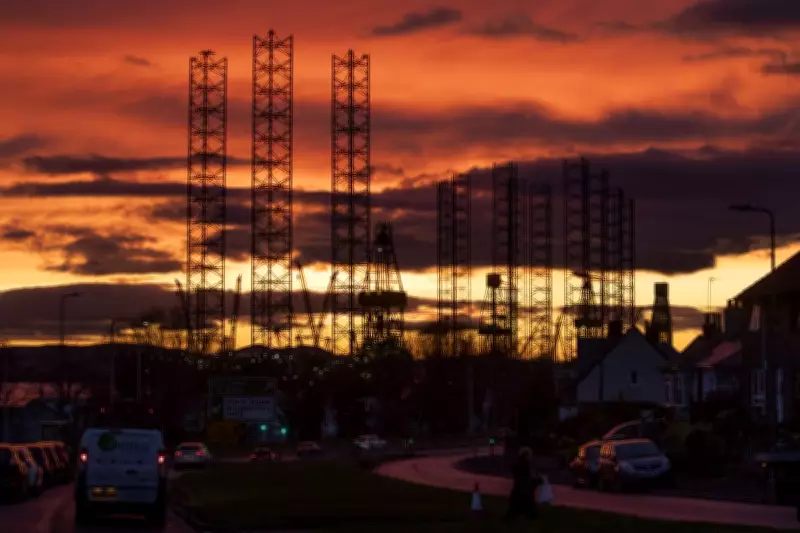
John Swinney stopped short of explicitly endorsing new fields such as Rosebank and Jackdaw, but he acknowledged that the current international situation necessitates a fresh assessment. "I've got to look at the evidence in the world as it faces me today," Swinney stated, highlighting concerns over energy security and economic stability for Scotland. He underscored that any development must adhere to rigorous climate compatibility assessments to ensure environmental safeguards are maintained.
Scottish Greens Voice Strong Opposition
Launching their campaign in Edinburgh on Thursday, the Scottish Greens criticised Swinney's remarks, pointing to former First Minister Nicola Sturgeon's opposition to new offshore drilling during the Bute House Agreement. Co-leader Ross Greer expressed dismay, stating, "How far has the Scottish Government fallen from that position where, yet again, last night, the First Minister opened the door further to Jackdaw, to Rosebank, to those new fields. What catastrophe that would be, not just for Scotland, but for our planet." This backlash underscores the ongoing tension between economic interests and environmental commitments within Scottish politics.

Political Reactions and Calls for Clarity
Scottish Tory leader Russell Findlay urged Swinney to clarify his stance, suggesting that the timing of these comments, just weeks before an election, raises suspicions of political posturing. "It's not entirely clear what John Swinney is appearing to suggest," Findlay remarked, accusing the SNP and Labour of inaction as thousands of oil and gas jobs were lost. He warned that any pre-election spin would betray oil and gas workers, emphasising the need for transparent policy direction.
Three-Point Energy Plan Proposed
Ahead of addressing journalists on Thursday, Swinney outlined a three-point plan aimed at mitigating energy costs, which he urged Prime Minister Sir Keir Starmer to support. The proposals include scrapping the planned fuel duty increase later this year, introducing a lower household energy cap, eliminating VAT on household bills, and reducing it to 5% for businesses. This initiative reflects a broader effort to balance economic relief with energy policy adjustments.
Public Opinion and Polling Data
A recent Ipsos poll reveals that 48% of people in the UK support issuing new licences for North Sea oil and gas exploration, indicating divided public sentiment on the issue. This data adds complexity to the political debate, as leaders navigate between popular support for energy security and environmental advocacy. Swinney's comments suggest a pragmatic approach, weighing domestic production benefits against climate goals in a volatile global market.