
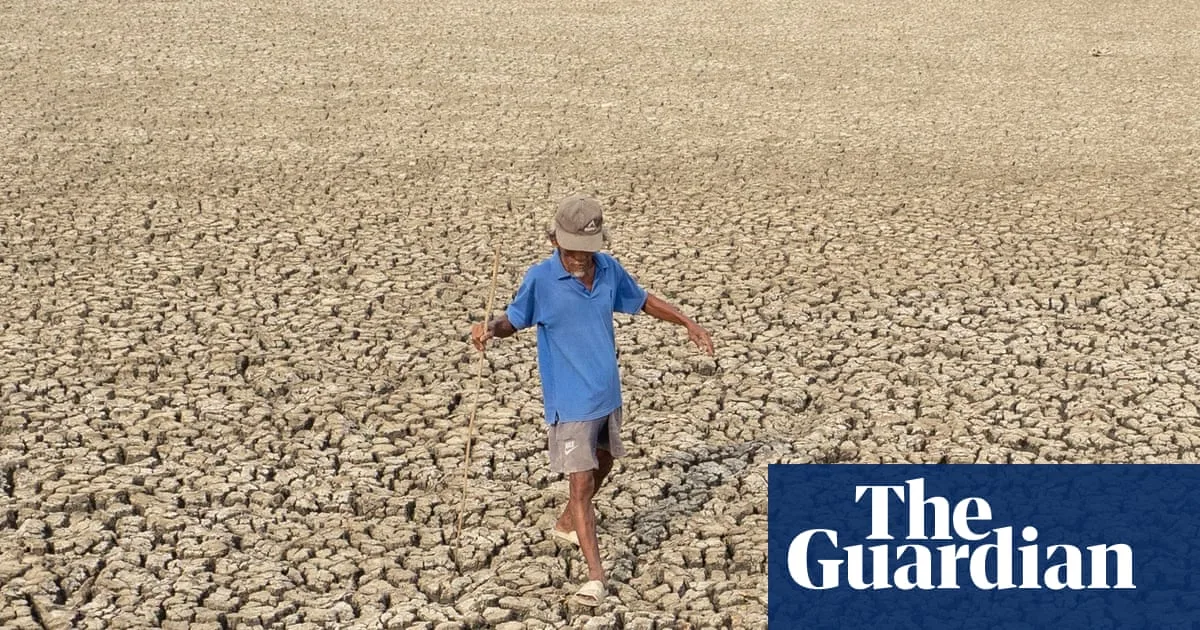
The United Nations has warned that the world must prepare for the imminent return of El Niño, a powerful natural weather pattern that supercharges extreme weather and raises global temperatures. The World Meteorological Organization (WMO) estimates an 80% chance of El Niño forming before September and a 90% chance before November, with most models projecting at least moderate strength.
Scientists have previously suggested this could be the strongest El Niño this century, but the WMO cautioned that forecasts remain uncertain. Celeste Saulo, the WMO's secretary general, noted that some models predict a strong event while others do not. UN Secretary General António Guterres called it an urgent climate warning, stating that El Niño will 'pour fuel on the fire of a warming world.'
The most recent El Niño in 2023-24 was among the five strongest on record and contributed to record-breaking global temperatures in 2024. The WMO forecasts unusually high temperatures across nearly all parts of the planet for the next three months, with increased risks of extreme rain and drought. El Niño typically brings heavier rain to parts of South America, the southern US, the Horn of Africa, and central Asia, while causing drier conditions in Central America, northern South America, the Caribbean, Australia, Indonesia, and parts of south Asia.
The warning follows an unusually hot May in western Europe, where temperature records were broken in the UK and Ireland. The WMO and UK Met Office previously warned that a record-breaking hot year is almost certain before the end of the decade, with El Niño potentially pushing this to 2027. Gareth Redmond-King from the Energy & Climate Intelligence Unit said the findings are bad news for food supplies already strained by climate breakdown and fertiliser restrictions from the Iran war.
El Niño conditions occur every few years and last nine to 12 months. The WMO noted that sea surface temperatures in the Pacific are approaching El Niño thresholds, fed by unusually warm subsurface conditions. The agency rejected the term 'super El Niño' as it falls outside official classification. Early-warning systems have saved lives, but funding cuts by major donors like the UK and US pose challenges. Saulo emphasised the need for more resource mobilisation to support vulnerable countries.




