Solar Farm Battle Rages in Lincolnshire: Residents vs. Ed Miliband's Green Energy Push
In the heart of the British countryside, a fierce political battle is unfolding over the rollout of mega solar farms, with Lincolnshire at the epicentre. On one side stands Energy Secretary Ed Miliband, championing clean energy and pledging to overcome obstacles to large-scale renewable projects. On the other, a coalition of grassroots campaigners and Reform politicians, outraged by plans that would see more solar farms in Lincolnshire than anywhere else in the UK.
Reform Councillors Ready for Civil Disobedience
At Lincolnshire County Council, a rebellion is brewing under the leadership of Sean Matthews, who took charge last May after Reform replaced the Conservative old guard. Matthews, a former royal protection officer, is plotting a campaign of civil disobedience, including lying down in front of bulldozers to halt solar developers. "They can arrest me – I've arrested plenty of people," he declares, emphasising his passion for the county's future. Fellow Reform councillor Natalie Oliver echoes this sentiment, stating she is "100% committed" and willing to face arrest for her residents.
Lincolnshire: A Solar Hotspot
Miliband has approved more large-scale solar farms in Lincolnshire than any other region, with six projects capable of producing over 100 megawatts each, including Tillbridge Solar and Mallard Pass. Four additional schemes are in the national planning process. While supporters see this as a step toward Britain becoming a "clean energy superpower," opponents argue it upends rural life, despoils landscapes, and consumes food-producing land.

Residents' Fears and Frustrations
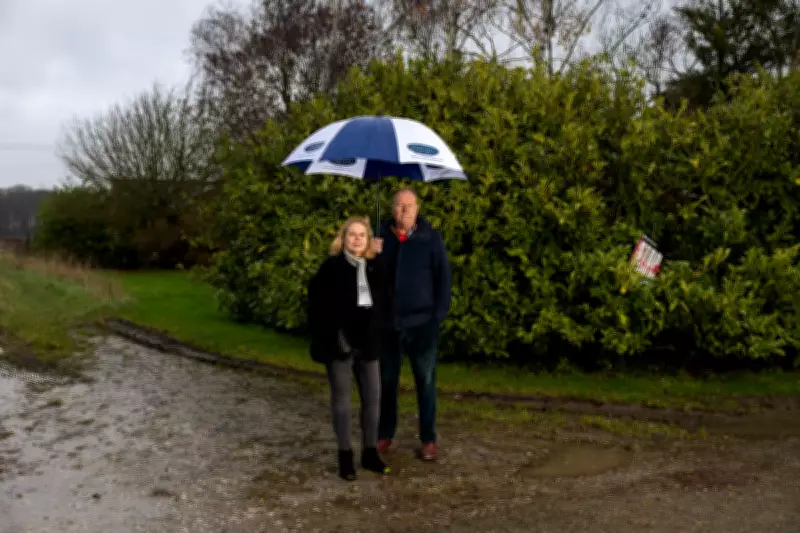
In villages like Glentworth, frustration is turning to resentment. Dorne Johnson, representing the 7000 Acres group, voices concerns over being "dumped on" without a voice. The Tillbridge project, covering 1,400 hectares, will feature thousands of tracking solar panels, fencing off the area for 40 to 60 years. Johnson insists they are not nimbys but criticise the rush and question the climate emergency narrative.
Alison Wood and Nick Mapstone, who moved to Lincolnshire for a tranquil life to care for their autistic daughter, fear their "little rural idyll" is threatened. With a substation and battery units planned near their home, they worry about noise impacting their daughter's well-being, leading to anxiety and depression. Despite reassurances from developers about noise levels, they remain unconvinced.
Farmers and Food Security Concerns
Farmer Nick Hill highlights the loss of food-growing land, arguing it's "very shortsighted" amid growing population pressures. He criticises farmers leasing land to solar companies as driven by "money and greed," and has been politicised by the issue, now planning to vote Reform. Protests organised by Reform MP Richard Tice have galvanised local opposition, with slogans like "Save rural Lincolnshire" gaining traction.
Political Shifts and Climate Skepticism
Reform's influence is rising in Lincolnshire, with polls suggesting they could dominate parliamentary seats. Councillors Matthews and Oliver, eyeing general election bids, question human contributions to climate change and advocate for alternatives like modular nuclear reactors and fracking. Matthews dismisses scientific consensus, calling it "30 years old made-up stuff."
Defenders of Solar Energy
Despite the backlash, some voices support solar farms. Neil Murray, an independent councillor, argues that renewable energy is essential for independence from dictators and that most of Lincolnshire will remain untouched. He acknowledges isolated cases of hardship but stresses the broader benefits. At Whitecross solar farm, manager Saffron Hooper-Kay showcases its beauty and efficiency, producing enough electricity for 10,300 homes annually and reducing greenhouse gases.
Economic and Environmental Trade-offs
Farmer Andrew Darley, leasing land for Whitecross, notes the financial boost and environmental benefits, including increased wildlife. However, he cautions against using high-quality agricultural land for solar. The industry faces uncertainty from Reform threats to cancel price guarantees, which Hooper-Kay calls "very shortsighted."

A County Divided
As the sun sets on Lincolnshire, the debate intensifies. Murray urges the county to "do its part" in the energy transition, while opponents warn of industrialisation. With emotions running high and political lines drawn, the outcome of this battle could shape not only Lincolnshire's landscape but the UK's entire renewable energy future.