
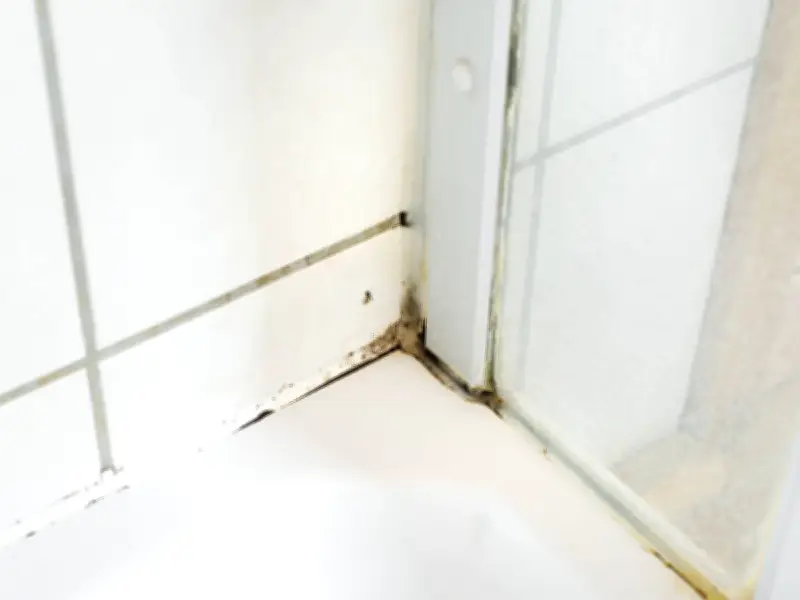
Showers, baths, and windows all feature silicone sealants, which form airtight and watertight barriers where two surfaces meet. However, these areas often experience moisture, humidity, and soap residue, creating the perfect environment for mould growth. Cleaning specialists at Drench state: "Silicone sealant can be a haven for mould due to its porosity and use in areas regularly exposed to water. Mould in silicone is not only an eyesore but also bad for your health." Mould on silicone sealants can turn them black, making them unsightly. While many commercial mould removal products contain bleach, which may not be the safest choice, there are affordable natural alternatives.
Natural Mould Removal with Baking Soda
One such solution is baking soda, also known as bicarbonate of soda, which costs as little as 65p for a 200g pack at Tesco. British sealant firm GT Sealants recommends this kitchen cupboard staple for tackling black mould on silicone sealant. The method is described as "quite easy" and involves making a paste with baking soda and water.
How to Make and Apply the Paste
To make the paste, mix two or three teaspoons of baking soda with one cup of room temperature water until smooth and consistent. Using a cloth, apply a small amount directly to the mouldy areas of the silicone sealant. It is advisable to wear rubber gloves to avoid direct contact with mould. Leave the paste to work for at least five minutes; covering the sealant with cling film can help preserve moisture and enhance effectiveness.
Scrubbing and Rinsing
After five to ten minutes, remove the cling film and use a stiff brush or an old toothbrush to scrub away the black mould. Then, rinse the sealant thoroughly with cold water and a sponge. If the mould is stubborn, repeat the process several times. The specialists note: "The baking soda mixture needs some time to settle on the black mould and do its work."
Drying to Prevent Regrowth
Once all mould is removed, wipe the silicone dry with a towel or cloth. This step is crucial, as leaving it wet encourages mould to return. Drying the silicone "prevents any more mould from forming," according to the experts. This natural remedy is effective, cheap, and safe, making it an excellent choice for maintaining a mould-free bathroom.




