
Seven prime ministers in 10 years is a churn rate that even the British Horseracing Authority – which has had five full-time leaders in the same period, or six counting the two-time interim chair David Jones – cannot match. As the search for Lord Charles Allen's successor continues after his brief stint ended in March, Jones will remain the sport's figurehead in the crucial early weeks of Andy Burnham's administration.
Burnham's limited connection to racing
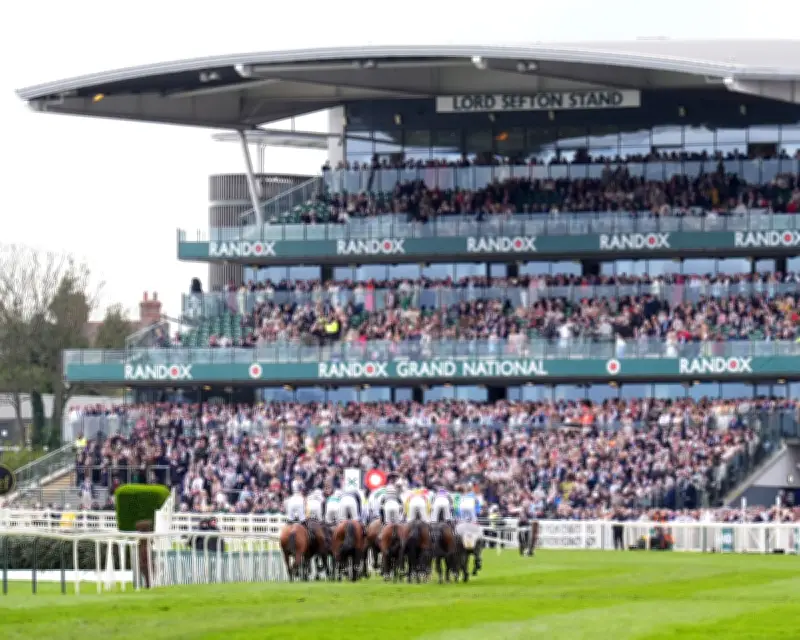
Burnham was born a mile-and-a-half from Becher's Brook, at Fazakerley hospital, where many jockeys have been treated after falls at Aintree. Yet he has been to the races just once – on the Friday of the Grand National meeting earlier this year. "I feel a bit ashamed," he told an interviewer. "I was born [nearby] and this is my first ever time at the races. Fifty-six years on this earth, and I've made it here now."
Lisa Nandy remains culture secretary
Initially, the most significant decision for racing is that Lisa Nandy remains culture secretary. Nandy oversaw racing's successful "Axe The Racing Tax" campaign against harmonisation of online duty rates for betting and gaming, acting as an intermediary between racing and the Treasury. However, she allowed the Gambling Commission to proceed with affordability checks for gamblers, inherited from the previous Conservative administration, despite warnings that it could cost the sport hundreds of millions of pounds in revenue.
Any hope that an incoming culture secretary might pause the process has been extinguished. Racing now hopes Nandy takes a renewed interest and demands more transparency and accountability as the checks are rolled out. If affordability checks are not as "frictionless" as promised, action will be needed sooner rather than later.
Burnham's stance on gambling
In the longer term, Burnham's approach to the gambling industry could prove more significant. As Manchester's mayor, he co-signed a letter to Nandy last year arguing for local authorities to have more powers to prevent the spread of gambling premises. Burnham has also supported the campaign group Against The Odds, which aims to "phase out gambling sponsorship across all levels and all types of sport".
A ban on gambling sponsorship in sport that did not exempt horse racing would be potentially ruinous. In addition to tens of millions of pounds in direct sponsorship annually, the value of the sport's terrestrial broadcasting rights – the basis of ITV's free-to-air showcase on around 100 days each year – would vanish overnight.
Even with an exemption, a sponsorship ban would be a significant blow for betting, which has been increasingly marginalised by casino-style gaming and slots. The debate over whether sponsorship promotes gambling or the company's brand is nuanced.
If there is a debate, it may serve racing's interests to put clear water between betting on sport – which ranked 18th out of 22 gambling activities for association with high Problem Gambling Index Severity score in the latest Gambling Commission survey – and in-person and online casino, which ranked second and third respectively.
If the Burnham administration addresses the failings of the 2005 Gambling Act, that could be a positive for racing and punters. For now, a willingness to listen and act if affordability checks prove toxic would be a good start.




