Quapaw Nation Revives Land After US Mining Pollution, Leading Superfund Cleanup
In a remarkable environmental turnaround, the Quapaw Nation in Oklahoma has successfully restored land severely contaminated by US mining operations, transforming toxic waste sites into productive agricultural areas. This achievement marks the tribe as the only Native American community in the United States to independently manage and execute a Superfund cleanup, a federal program targeting the country's most polluted locations.
Historical Context and Environmental Devastation
The story begins in the late 1800s when the US government allocated parcels of land, including a 200-acre grassland known as the Laue, to tribal citizens like Charley Quapaw Blackhawk. This was part of a broader policy aimed at assimilating Native Americans by promoting private land ownership over communal traditions. However, for much of the past century, the Laue and surrounding areas lay barren, buried under towering chat piles—toxic rock waste from lead and zinc mining in the Tri-State Mining District, which operated from 1891 to the 1970s.
By 1983, the Environmental Protection Agency (EPA) designated nearly 40 square miles of the Quapaw Nation as the Tar Creek Superfund site, one of the nation's largest and most complex environmental disasters. The contamination included lead and cadmium leaching into the soil and water, with acidic mine runoff turning Tar Creek a rusty orange hue. A 1994 study revealed that 34% of Native American children in the area had dangerously high lead levels in their blood, highlighting the severe health impacts.

Taking Control of Cleanup Efforts
After years of inadequate cleanup by contractors, who often left sites half-cleared or stripped valuable topsoil, the Quapaw Nation decided to take matters into their own hands. In 2013, the tribe secured a $2 million EPA contract to remediate the Tar Creek chat piles, using their own equipment and employees. This initiative has generated nearly 100 jobs, with almost half held by Quapaw citizens, fostering economic growth alongside environmental recovery.
Chris Roper, former director of construction and agriculture for the tribe, recalled the pivotal moment when the tribe expelled ineffective contractors and began the cleanup themselves. "We started cleaning up the land, we found topsoil to dress the land back up, we seeded, we mulched it, we tallied our expenses and sent a bill to the EPA," he said. The EPA eventually reimbursed the tribe, validating their approach and paving the way for further projects.
Agricultural Revival and Cultural Identity
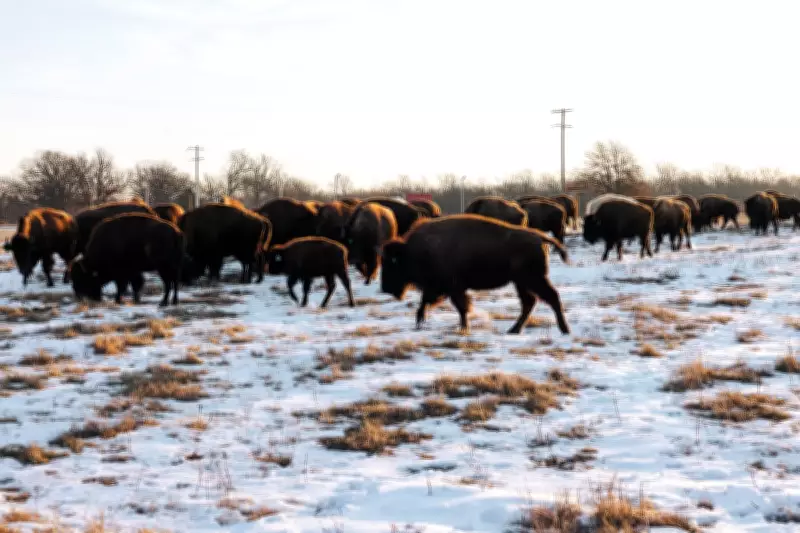
Today, the restored land supports vibrant agricultural activities, including oat fields, cattle grazing, and row crops like corn and soybeans. The Quapaw Nation's agriculture office manages about 2,500 acres of row crops, with several hundred acres on once-contaminated soil. Additionally, the tribe operates a bison herd, greenhouses for traditional medicines, and the first tribal meat-processing plant in the US, ensuring a steady protein supply and reinforcing food sovereignty.
For Quapaw citizens like Larry Kropp, a rancher in his late 70s, this revival is deeply personal. "It makes him happy to see the land finally cleared and used to feed cattle," he noted, reflecting on childhood warnings to avoid mine shafts and memories of sledding down toxic chat piles. Agriculture, as historian Kathleen DuVal emphasizes in her book The Native Ground, is integral to Quapaw identity and independence, a tradition dating back to pre-colonial times when the tribe cultivated extensive fields in the Mississippi Valley.
Ongoing Challenges and Future Prospects
Despite progress, challenges remain. Mitch Albright, the current director of agriculture, points out that some remediated land, like the Bird Dog site, has poor soil quality, requiring careful management. Options include planting native grasses for cattle grazing or using the land for hunting if crops fail. The tribe also deals with frequent cave-ins from old mine tunnels, making certain areas suitable only for agriculture.

Nevertheless, the Quapaw Nation's efforts demonstrate a resilient commitment to environmental justice and self-sufficiency. By cleaning contaminated ground—a process that began 40 years ago and may continue for decades—the tribe not only expands its farming capabilities but also reclaims its heritage. As Albright stated, "Not all of them are going to make my company money, but it'll be a benefit to the tribe," underscoring the broader cultural and economic significance of this restoration work.