
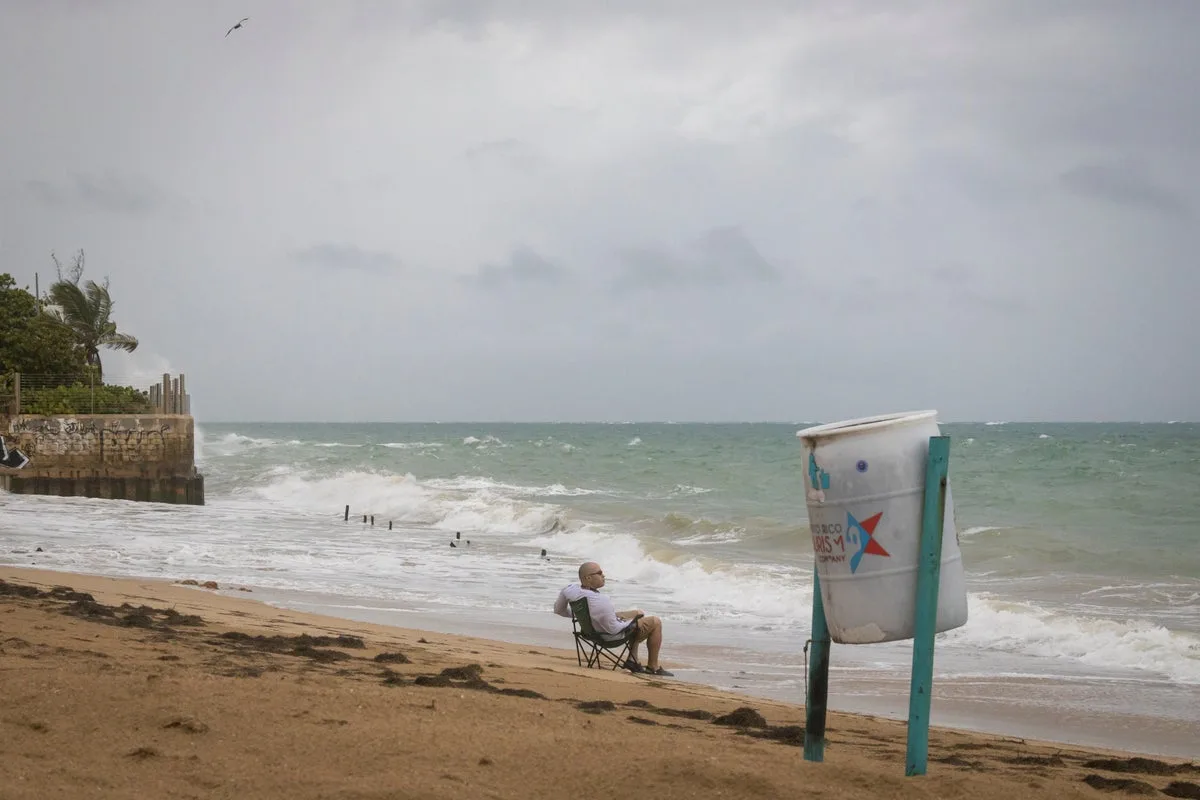
Puerto Rico's governor has declared a state of emergency to address worsening coastal erosion, which officials attribute to climate change. The U.S. territory will allocate $105 million in federal funds for nearly two dozen measures, including relocating homes, creating artificial reefs, planting mangroves, and replenishing beaches.
Governor Pedro Pierluisi described the plan as “an ambitious agenda” during a press conference. Puerto Rico has nearly 700 miles of coastline, and two-thirds of its 3.2 million residents live in coastal areas, with over 20% in high-risk flood zones.
A University of Puerto Rico study found that more than 60 miles of shoreline have shifted inland in recent years, largely due to storms like Hurricane Maria, a Category 4 hurricane that struck in September 2017. Experts warn that future storms will be more powerful and frequent.
By July 2018, erosion affected 40% of Puerto Rico's beaches, while sand accumulation occurred on 60%, according to the Institute of Coastal Investigation and Planning. The emergency measures will focus on the hardest-hit municipalities, including Rincon, Cabo Rojo, Isabela, and the island of Vieques, all popular tourist destinations.
The Department of Natural Resources has been ordered to create a new coastal erosion protocol and update its coastal zone management plan. Other steps include forming a committee to combat erosion, demolishing abandoned coastal structures, and demarcating public domain assets in the maritime-terrestrial zone.
The declaration follows calls from activists and environmentalists for a moratorium on coastal construction, citing an increase in illegal structures. Pierluisi did not rule out a moratorium but said it would apply only to certain areas.




