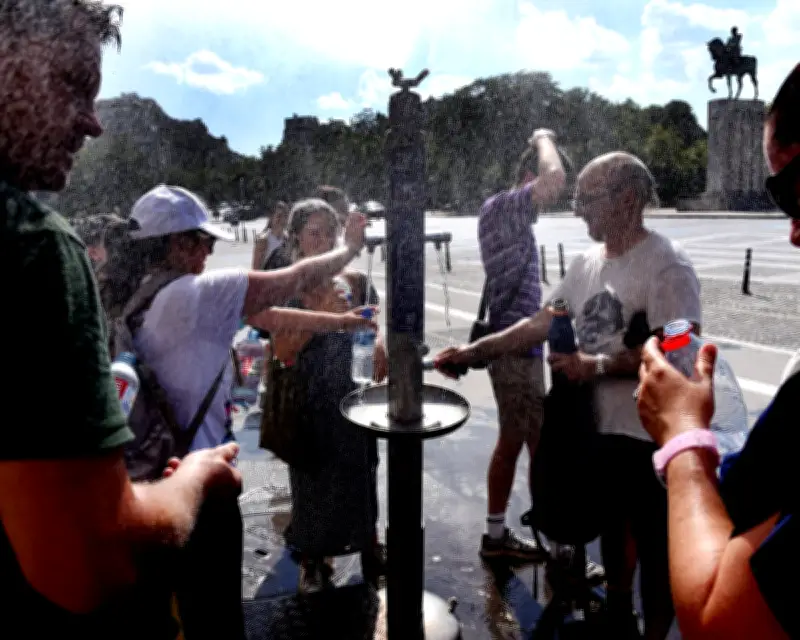
France's highly bureaucratic approach to heatwave planning, with four alert levels adopted after the devastating 2003 heatwave that killed 15,000 people, offers a potential model for other European countries as they face increasingly extreme temperatures. In Paris, authorities have implemented measures such as banning alcohol consumption in public spaces during the Fête de la musique festival, keeping parks open around the clock, and designating air-conditioned public buildings as cool islands.
Current Heatwave Situation
As of Tuesday, 54 of France's 96 mainland departments were under red heatwave alert, with Météo France confirming the country was experiencing its hottest day since records began in 1947. Temperatures were forecast to reach 42°C from Wednesday. This heatwave is not the first of the year, and the city has put in place collective measures to help residents cope, including canceling some outdoor sporting events and closing many schools or sending pupils home early.
Short-Term and Long-Term Measures
Paris's short-term measures include misting machines and water fountains in parks, more cycle lanes, green spaces, and shadier school courtyards. In 2023, the Paris mayor's office conducted a 50°C crisis planning exercise, which now seems prescient. The city is also taking climate emergency preparedness seriously, with a long-running drive to make the city greener and cooler.
Political Responses and Criticism
Marine Le Pen's National Rally has called for better air conditioning in schools and hospitals, while Green presidential hopeful Marine Tondelier advocates for a five-day heatwave sabbatical. Critics argue that Le Pen's proposal undermines responsible energy consumption. The heatwave has also sparked criticism of the government's response, fueled by drownings and heat-related deaths, as well as school closures highlighting infrastructure needs.
Alert System Details
Each department has a different alert threshold based on average temperatures, preparedness, and previous heatwaves. Local authorities consider factors such as expected temperatures, heatwave duration, nighttime temperatures, major events, and hospital capacity to determine the alert level and restrictions. The four alert levels were designed to protect citizens' health, especially the elderly, after the 2003 disaster.
Conclusion and Future Outlook
While France's response is not perfect, the actions taken since 2003 have better informed decision-makers. As temperatures continue to rise, other countries may need to introduce similar regimented plans, even if measures like outdoor alcohol bans might be unpopular elsewhere. France's highly visible communication campaigns, with slogans like "Passons tous en mode canicule" ("let's all switch to heatwave mode"), are raising awareness. Helen Massy-Beresford, a British journalist living in Paris, notes that Europe has little choice but to adapt, and France's framework is a good starting point.