NSW Water Agency Criticised for Halting Flows, Causing Wildlife Catastrophe
A prominent scientist has lambasted an "appalling" decision by a New South Wales government agency to cease water flows to vital wetlands in the state's north-west, describing the situation as "absolutely crazy" as researchers raced to rescue animals trapped in drying mud.
Ecological Crisis Unfolds in Gwydir Region
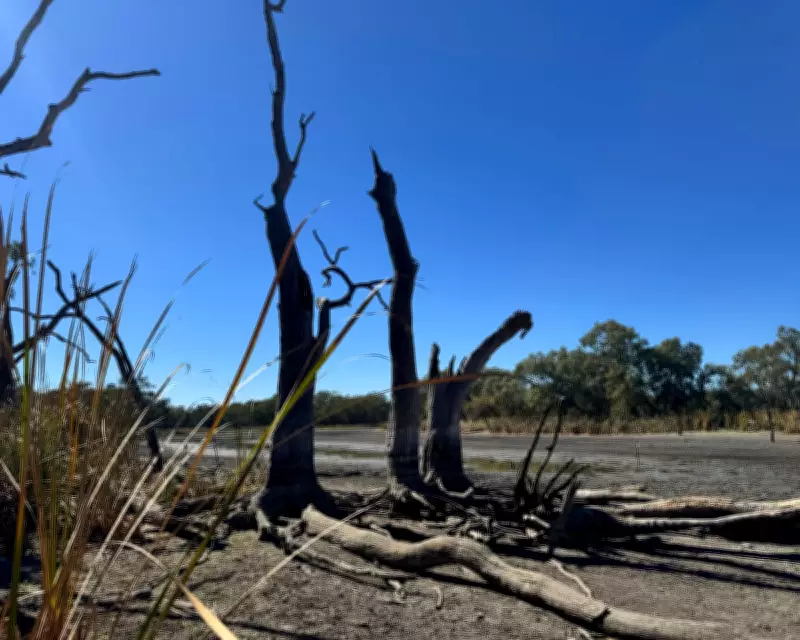
Guardian Australia reported over the weekend that turtles, waterbirds, frogs, and sheep perished after WaterNSW abruptly halted flows to the Gwydir wetlands region near Moree in March. Environmental flows, which involve releasing water from dams and tributaries to restore river and ecosystem health, were stopped, leading to a dire ecological crisis.
University of New England researchers were captured on film excavating broad-shelled turtles from thigh-deep mud after the Gingham watercourse, which sustains four Ramsar-listed sites, completely dried up. Currently, thirty-nine turtles are being sheltered at Taronga Western Plains Zoo in Dubbo, as the water that could save them remains held in Copeton dam. This retention followed concerns raised by a landholder about potential inundation of private property.

Scientific Outcry and Government Response
Professor Richard Kingsford, a river ecologist and conservation biologist at the University of New South Wales, denounced the decision to withhold flows as "appalling." He stated, "I think it's appalling because we have a catastrophe unfolding here. There's the solution to fix it, which has been agreed by the federal and state governments: environmental flows are for the environment. And we essentially have a process where a landholder is stopping the water that will save these turtles from coming down the river."
NSW Water Minister Rose Jackson has indicated that the government is actively seeking "pathways to reinstate those deliveries while managing liability as soon as possible." She confirmed on Saturday that authorities had urgently relocated as many turtles as feasible, with plans to return them to the Gingham watercourse once it is replenished. Guardian Australia has requested additional details from the government regarding the circumstances behind WaterNSW's decision, including any advice related to private land inundation.
Broader Impacts on Wildlife and Culture
Professor Kingsford highlighted the bureaucratic entanglement, calling it a "classic bureaucratic tangle which should never happen." He emphasized, "This water needs to be there to avoid this sort of catastrophe. This is a wetland that can't go where it used to because farming keeps gobbling up the margins of the wetland. We've got a whole rescue happening now and the only reason for that is the government won't give them water. It's absolutely crazy."
The Gingham watercourse supports three turtle species: the broad-shelled turtle, the Murray River turtle, and the eastern long-necked turtle. Professor Deb Bower, who has monitored over 300 turtles in the area through population studies, noted that besides those requiring rescue, tracks at the site suggest some eastern long-necked turtles have ventured off in search of water. She confirmed that some broad-shelled and eastern long-necked turtles have already died.
Grazier Jonathon Guyer, who manages separate wetlands on his property, informed Guardian Australia that the sudden cessation of flows caused native birds to abandon nests and fledglings, led to frog deaths, and adversely affected other species like the endangered grey snake.
Cultural and Community Concerns
Polly Cutmore, a Kamilaroi traditional owner with ties to the wetlands, expressed heartbreak over the wildlife impact, stating that wetlands are meant to be "one of our protective places." She said, "It's where we thought there was always going to be plenty of room for our animals to survive." Cutmore voiced dissatisfaction with the situation, worrying that irrigators are "calling the shots over and over" and that actions are taken without consulting traditional owners, which she deemed disrespectful.

Bradley Moggridge, a Kamilaroi water scientist at the University of Technology Sydney, added that if water fails to reach culturally significant waterholes, Kamilaroi people cannot maintain their cultural connection and stewardship of the land. Guardian Australia has reached out to the NSW Irrigators' Council for comment on the matter.
This incident underscores ongoing tensions between environmental conservation, agricultural interests, and bureaucratic processes in New South Wales, with urgent calls for improved water management to prevent future ecological disasters.