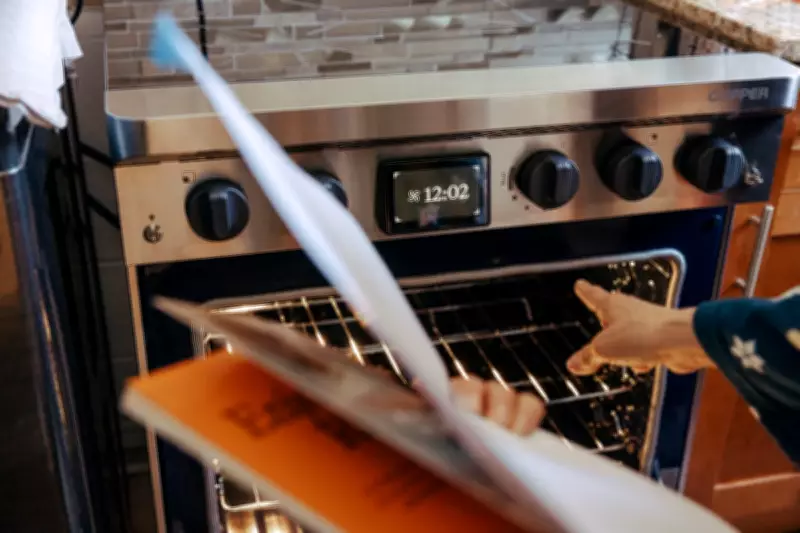
New York's Groundbreaking Induction Stove Mandate
In a significant move to combat climate change and enhance energy efficiency, New York has enacted a mandate requiring the installation of induction stoves in all new residential and commercial buildings. This policy, which took effect in early 2026, aims to reduce greenhouse gas emissions and lower energy consumption across the city, positioning New York as a leader in urban environmental initiatives.
Climate and Energy Benefits
The induction stove mandate is expected to deliver substantial environmental advantages. Induction stoves are more energy-efficient than traditional gas or electric models, converting up to 90% of energy into heat compared to around 65% for gas stoves. This efficiency translates to lower electricity usage and reduced carbon emissions, contributing to New York's broader climate goals, including its target to cut emissions by 80% by 2050.
Additionally, the policy addresses indoor air quality concerns, as induction stoves produce no combustion byproducts like nitrogen dioxide or carbon monoxide, which are linked to respiratory issues. This makes them a healthier choice for households, particularly in densely populated urban areas.

Implementation and Challenges
The mandate applies to all new construction projects permitted after April 2026, with exemptions for certain industrial kitchens and existing buildings undergoing renovations. Builders and developers are required to comply with the new standards, which include specific electrical infrastructure upgrades to support induction technology.
However, the transition presents challenges, such as higher upfront costs for induction stoves and the need for electrical system upgrades in older buildings. To mitigate these issues, the city has introduced incentives, including tax rebates and grants, to support adoption and ensure affordability for low-income residents.
Broader Implications and Future Outlook
New York's induction stove mandate sets a precedent for other cities and states considering similar measures to reduce emissions and promote sustainable energy use. It aligns with global trends toward electrification and decarbonization in the building sector, which accounts for a significant portion of energy consumption worldwide.
Looking ahead, experts predict that the policy could spur innovation in induction technology and drive down costs through increased market demand. It may also influence consumer behavior, encouraging more households to switch to induction stoves voluntarily, further amplifying its environmental impact.
In summary, New York's induction stove mandate represents a bold step in urban climate policy, combining energy efficiency with public health benefits. As cities worldwide grapple with climate challenges, this initiative offers a model for integrating sustainable technologies into everyday life to build a greener future.