Conservationists Forge New Path After US Aid Cuts Threaten Global Biodiversity
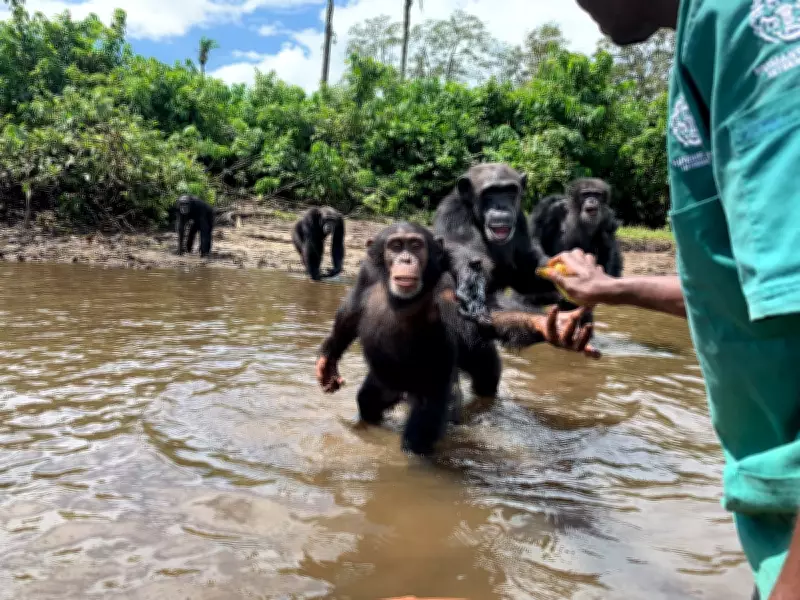
On 22 January 2024, during the inauguration of Liberian President Joseph Boakai, poet Patricia Jabbeh Wesley celebrated the nation's tropical forests, describing them as places where ancestral ties are deeply rooted. These forests, among the most diverse globally, host rare species like forest elephants, pygmy hippopotamuses, and western chimpanzees, yet face chronic threats from illegal logging and mining.
Eco-Guards in Liberia Face Funding Crisis
For nearly a decade, the Society for the Conservation of Nature of Liberia (SCNL) has trained up to 80 eco-guards to patrol forests, detect illegal activities, and collaborate with park rangers. These guards, living in forest communities, risk encounters with dangerous wildlife and poachers but earn salaries that support education and housing. However, in late January 2025, SCNL learned that USAID, their primary financial backer, was dismantled by the Trump administration, abruptly suspending funding.
Michael E Taire, SCNL's programme manager, travelled over rough forest roads to deliver the news, leaving eco-guards shocked. One young woman warned that without pay, they might resort to illegal hunting to support their families. This crisis highlights a broader issue: USAID's demise has imperilled not only human health initiatives but also biodiversity protection worldwide.

Global Impact of USAID's Dismantling
USAID was a leading source of health aid, saving an estimated 91 million lives over 20 years through HIV/Aids treatment and malaria control. Its cuts have already caused hundreds of thousands of deaths, mostly children. Liberia alone lost $290 million for schools, clinics, and medical training in 2025, with USAID contributing over 2.5% of its gross national income.
Beyond health, USAID was a major backer of biodiversity protection, funding efforts against wildlife trafficking, habitat conservation, and community-led projects. Its dismantling, along with cuts to other US agencies, has threatened species, habitats, and the livelihoods of park rangers and wildlife crime officers globally. Programmes in the Congo basin and anti-trafficking initiatives were axed, forcing conservation organisations to scale back or shut down.
Historical Context and Achievements
In the late 1980s, US Congress began dedicating USAID funds to biodiversity, leading to initiatives like Parks in Peril, which strengthened protected areas in Latin America and the Caribbean. By the 2020s, Congress approved over $300 million annually for USAID biodiversity programmes, making the US a keystone in international conservation. Efforts included forest conservation in Gabon, ecotourism in Colombia, and chimpanzee habitat protection in Tanzania.
Despite criticisms of inefficiency, these initiatives yielded measurable gains. However, in December 2024, just after USAID released a new biodiversity policy emphasising local stewardship, President Trump froze foreign development assistance, leading to the agency's closure.
Current Challenges and Adaptations
Frontline conservationists are bearing the brunt of the cuts. In South Africa, the Endangered Wildlife Trust lost $1.2 million for rhino poaching and vulture monitoring projects, setting back progress by years. Similarly, organisations in Malawi, Tanzania, and Vietnam have suffered losses.
Yet, some groups are adapting. In August 2025, SCNL secured short-term funding from the Rainforest Trust to restart eco-guard patrols. Other organisations report increased donations from existing and new supporters. For instance, Nature and Culture International, which lost over $2 million for Andean conservation, seeks European grants to compensate.
Future Prospects and Resilience
Alternative funding sources include European governments like Germany and the UK, though military pressures may reduce their support. Norway contributed $3 billion to the Tropical Forests Forever Facility in November 2025, but gaps remain. US philanthropists may prioritise domestic needs, complicating long-term sustainability.

Bipartisan support in Congress has led to the creation of the US Foundation for International Conservation, matching private donations and evading aid cuts. In early 2026, Congress funded USFWS and USFS international programmes near 2024 levels. Additionally, former USAID staffers Hadas Kushnir and Monica Bansal are preserving agency knowledge and matching viable projects with funders.
Dida Fayo, who lost his job with the Northern Rangelands Trust, founded Asal Research & Resilience Programme to promote community-led climate resilience. He emphasises that locals can achieve significant outcomes despite challenges, stating, "We cannot replace USAID, but we can do big things, because we, the locals, were the engine behind what USAID was doing."
As conservationists navigate this new era, the loss of USAID has spurred innovation and resilience, though the long-term effects on global biodiversity remain uncertain.