
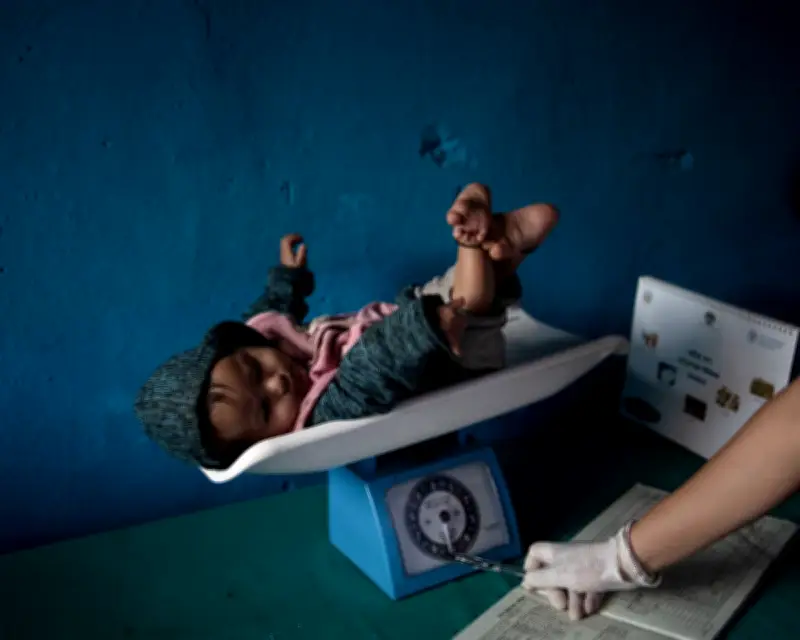
Survey Reveals Alarming Malnutrition Rates
Child malnutrition in Nepal has reached alarming levels, according to the largest ever survey of under-fives in the country. The survey, conducted by the Nepalese government over three weeks in May, weighed and measured more than one million children aged between six months and five years.
The findings come just over a year after USAID, the former US flagship agency closed by the Trump administration in 2025, stopped funding nutrition programmes in Nepal. Pooja Pandey Rana, a senior Nepalese nutrition expert and country director for Helen Keller Intl in Nepal, expressed concern that hard-won gains in reducing child mortality over the past 20 years are now at risk.
Regional Disparities and Wasting Rates
The survey revealed that 7.8% of children suffered from wasting, and 1.6% from severe wasting, while 17.4% were underweight. The World Health Organization deems wasting rates of 10% or above as high and requiring immediate intervention. In Madhesh province, near the Indian border, the wasting rate reached 12.3%, and 24.2% of children were classified as underweight.
Pandey Rana noted that the screening reached only about half of the country’s children in the relevant age groups, suggesting rates in remote areas could be even higher. "If you are malnourished, your risk of dying, compared to a child who is not malnourished, is 12 times higher," she said.
Impact of USAID Funding Cuts
Nepal had been a leader in reducing under-five mortality, with a 72% decline between 1996 and 2022. However, Pandey Rana warned of backsliding. Helen Keller Intl was due to receive $72 million from USAID over five years starting in 2025 for nutrition programmes covering nearly 9 million people in 48 districts. So far, only $5 million has been raised from other donors, reaching 223,000 people in nine districts.
The government continues to buy Ready-to-Use Therapeutic Food (RUTF), a nutrient-rich paste for treating malnourished children, but community outreach—such as health workers identifying children door-to-door—has stopped due to funding cuts. "We saw this sudden, abrupt halt," Pandey Rana said. "In the last 14 months, we have seen this breakdown of systems where you have RUTF, but we don’t have families coming in. You have services, but there’s no one to refer or follow up."
Broader Challenges and Comparisons
Reducing malnutrition requires an integrated approach, including gender equality and access to clean water. Rising prices compound the problem: "The price of two eggs is equal to a kilogram of rice," Pandey Rana noted. While methodological differences complicate comparisons, she said the current figures are "for sure" higher than 14 months ago. A 2025 survey had put national wasting at 6.6%.
A Unicef spokesperson in Nepal stated, "Supplies are still insufficient to meet the overall demand for treatment," adding that only about 35% of affected children currently receive treatment. Malnutrition competes for domestic funding with other health priorities like immunisation.




