Moldova Confronts Environmental Catastrophe Following Russian Attack
In March 2026, Moldova faced a severe environmental disaster when an oil spill contaminated the Nistru River, the primary source of drinking water for the nation. The crisis began after Russia attacked Ukraine's Novodnistrovsk hydropower complex, located just 15 miles upriver from the Moldovan border. This incident has heightened fears about the spillover effects of the Ukraine war into neighboring countries.
Discovery and Immediate Response
Local nature vlogger Ilie Cojocari first detected the pollution while filming near his home in Naslavcea, a village in northern Moldova. He reported a strong smell of oil and dark spots on the water's surface, prompting concerns. Initially, there was no official information from Ukrainian or Moldovan authorities, but after Cojocari shared his footage online, the Moldovan Ministry of Environment quickly intervened.
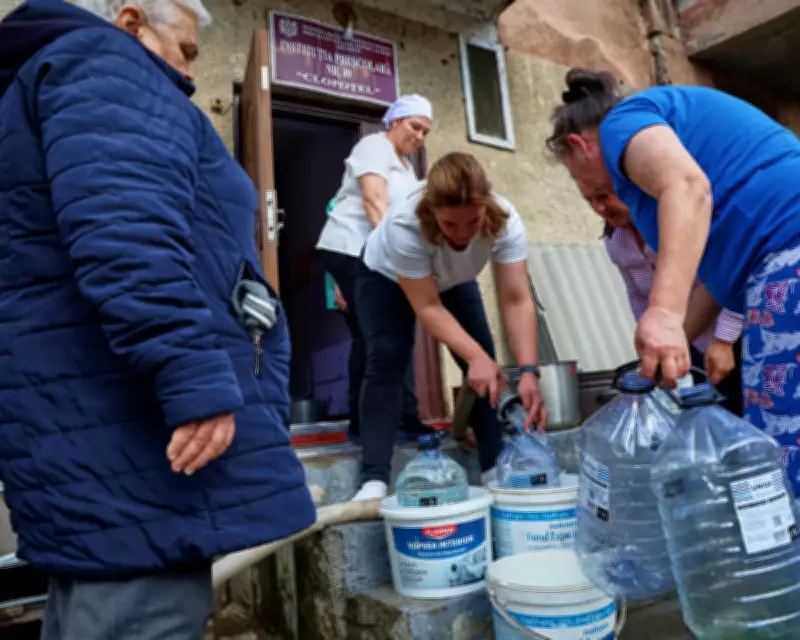
Within days, Moldova declared an environmental alert, with President Maia Sandu blaming Russia directly for the spill. A crisis centre was established to monitor and mitigate the contamination, deploying oil traps and absorbent materials along the river. Emergency services distributed alternative water supplies to affected communities, but for many residents, this event symbolized more than just a water issue—it underscored the ongoing threat of war on their doorstep.

Broader Context of Regional Conflict
Moldova has been grappling with the repercussions of the Ukraine war for four years, including refugee influxes, airspace violations by Russian drones, and energy disruptions. The Nistru River, which originates in the Carpathian Mountains and flows into the Black Sea, provides 80% of Moldova's drinking water. The spillage of tonnes of petrol into this vital waterway represents a national emergency, with oil slicks detected over 200 km downstream to Dubăsari.
European allies, including Romania and Poland, stepped in to offer support, leveraging Moldova's status as an EU candidate country. Their assistance helped prevent the petrol from reaching Chișinău, the capital city, which relies almost entirely on the Nistru for water. Despite these efforts, the incident has exposed the fragility of Moldova's water supply in the face of Russian aggression.
Impact on Communities and Wildlife
The city of Bălți, with a population of about 120,000, was among the hardest hit. Residents like Irina, a 39-year-old mother of three, faced daily challenges, queuing at wells twice a day for water. Schools shifted to online lessons, forcing parents to take time off work, while shops quickly sold out of bottled water. Local authorities, such as Vladimir Zgavordei, mayor of three villages in the Florești district, organized firefighter trucks to provide water for farm animals.
Ecologists warned that the entire food chain could be affected, including fish and bird species like wild ducks and swans. Although Moldovan authorities reported no immediate impact on wildlife, speculation arose after images of dead birds circulated online. The ministry attributed these deaths to avian flu or natural causes, but concerns persist about long-term ecological damage.
Political and Information Warfare
The disaster has fueled a political divide in Moldova, with pro-European factions blaming Russia and pro-Russian groups denying responsibility. Environment Minister Gheorghe Hajder used social media videos to communicate with the public, akin to Volodymyr Zelenskyy's style, which amplified fears of war spillover. However, pro-Russian propagandists claimed the spill resulted from a Ukrainian truck accident, a theory Cojocari dismissed based on his observations.
Online harassment targeted individuals like Cojocari, who removed videos due to hate from pro-Russian accounts. This information war mirrors past environmental crises, such as Chernobyl in 1986, where authorities were slow to declare emergencies. The Nistru spill is considered Moldova's most serious environmental disaster since then, highlighting the broader pattern of ecological harm from Russia's war in Ukraine.

Long-Term Implications and Future Risks
By mid-March, barrages along the river had stabilized oil levels, and tap water usage was gradually restored. Yet, Moldova continues to battle on multiple fronts: securing alternative water sources, cleaning pollutants, and countering misinformation. The crisis underscores the vulnerability of societies without access to clean water, exacerbated by the climate crisis and ongoing conflict.
Russia's war has caused numerous environmental disasters in Ukraine, including the destruction of the Kakhovka dam and oil spills in the Black Sea. These incidents pose long-term threats to biodiversity and human health, often overshadowed by immediate military concerns. For Moldova, the Nistru oil spill serves as a stark reminder of the need to prioritize environmental security as a national and international priority to prevent future catastrophes.