Malta Faces Ecological Crisis as Drifting Russian Ghost Tanker Threatens Mediterranean
Malta Ecological Disaster Looms from Drifting Russian Ghost Tanker

Urgent Ecological Warning for Malta as Drifting Russian Ghost Tanker Nears Coast

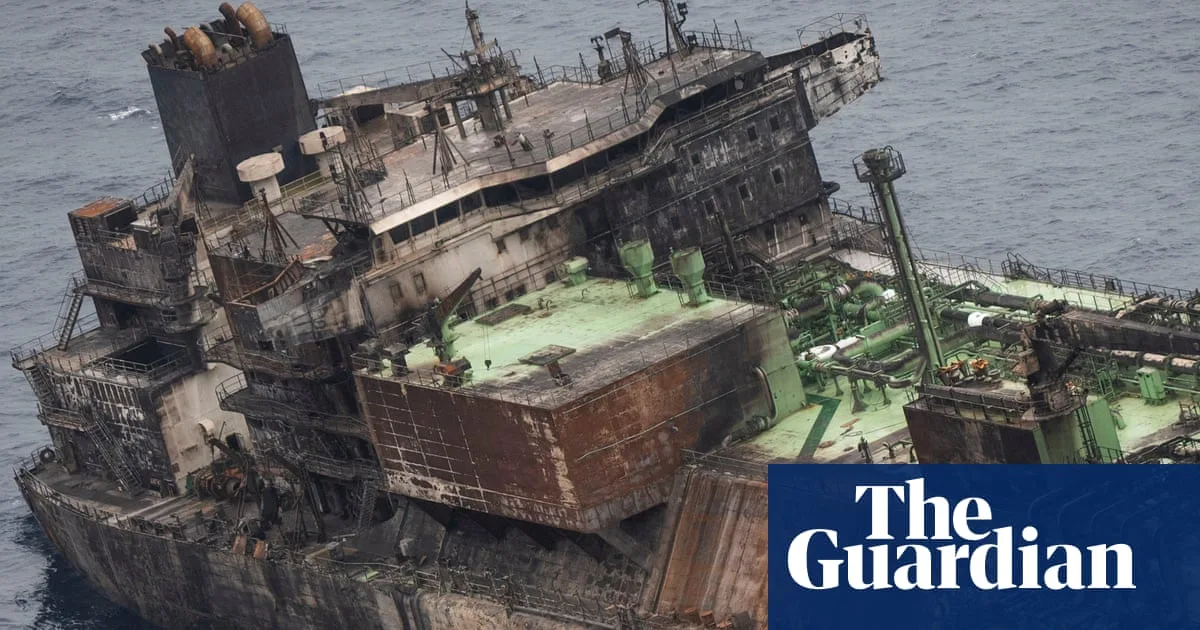
The popular British holiday destination of Malta is confronting an imminent and severe ecological crisis as a charred Russian ghost tanker drifts perilously close to its shores. The 900-foot Arctic Metagaz, a vessel targeted by Ukrainian drones two weeks ago, is now approximately 50 nautical miles southwest of the archipelago, moving crewless towards Malta and the nearby Italian island of Lampedusa.

European Nations Sound Alarm Over Imminent Environmental Catastrophe

In a coordinated letter to the European Commission, seven European countries have issued a stark warning, describing the situation as a dual challenge of upholding maritime safety while preventing a major ecological disaster. They emphasised that the precarious condition of the vessel, combined with its specialised cargo, presents a serious risk. This warning comes against the backdrop of EU sanctions imposed on Russia, complicating response efforts.

Russian authorities claim that Ukraine used uncrewed sea drones to attack the Metagaz in the Mediterranean Sea between Libya and Malta on March 4, launching from the Libyan coast. The Security Service of Ukraine has not responded to these allegations. The tanker, part of Moscow's so-called shadow fleet of ageing vessels used to bypass Western restrictions on Russian oil and gas, had previously been sanctioned by the United States and the European Union.

Substantial Cargo and Severe Pollution Risks Detailed

Italian authorities have confirmed that the drifting wreck is carrying significant quantities of gas, heavy oil, and diesel fuel. Russian foreign ministry spokeswoman Maria Zakharova specified that the vessel holds 700 metric tons of various types of fuel along with a substantial amount of natural gas. The absence of a crew exacerbates the danger, as the ship drifts uncontrolled.

WWF Italy has issued a grave statement, warning that a potential spill could trigger fires, create cryogenic clouds lethal to marine life, and cause widespread, long-lasting pollution of water and the atmosphere. The organisation highlighted that the affected area is of exceptional ecological value, featuring fragile deep-sea ecosystems and some of the highest biodiversity in the Mediterranean basin.

Conflicting Reports and Ongoing Monitoring Efforts

Initial reports suggested the ship sank after explosions sparked a fire, with Libyan authorities stating it went down about 130 nautical miles north of the port of Sirte. However, Malta's transport authority clarified last week that the wreck remains afloat. Around 30 Russians were on board during the incident; all were found safe and sound in a lifeboat by Malta's armed forces, according to Maltese Home Affairs Minister Byron Camilleri.

Authorities in Malta and Italy are closely monitoring the situation, with salvage experts already in Malta preparing for the ship's arrival in Maltese waters. A specialist vessel is en route, as confirmed by a maritime source to AFP on Sunday. The Ministry of Foreign Affairs of the Russian Federation acknowledged the drifting vessel but stated that Russia's further involvement would depend on concrete circumstances, noting that efforts to address the situation could risk undermining the integrity of EU sanctions.

Legal and Diplomatic Complexities Surround Response

Zakharova emphasised that international legal norms imply the responsibility of coastal countries for resolving the situation with the drifting vessel and preventing an environmental disaster. She reiterated that further involvement by the shipowner and Russia as the flag state will depend on specific circumstances. This stance adds a layer of diplomatic complexity to the urgent environmental threat, as European nations grapple with balancing sanctions enforcement against the need for immediate action to avert a catastrophe in one of the Mediterranean's most biodiverse regions.

The drifting Arctic Metagaz represents not only a direct ecological hazard to Malta's coastal waters and marine life but also a significant test of international cooperation and crisis management in a geopolitically charged context. With the vessel's movement being tracked continuously, the coming days are critical for mitigating what could become one of the Mediterranean's most devastating pollution events.




