
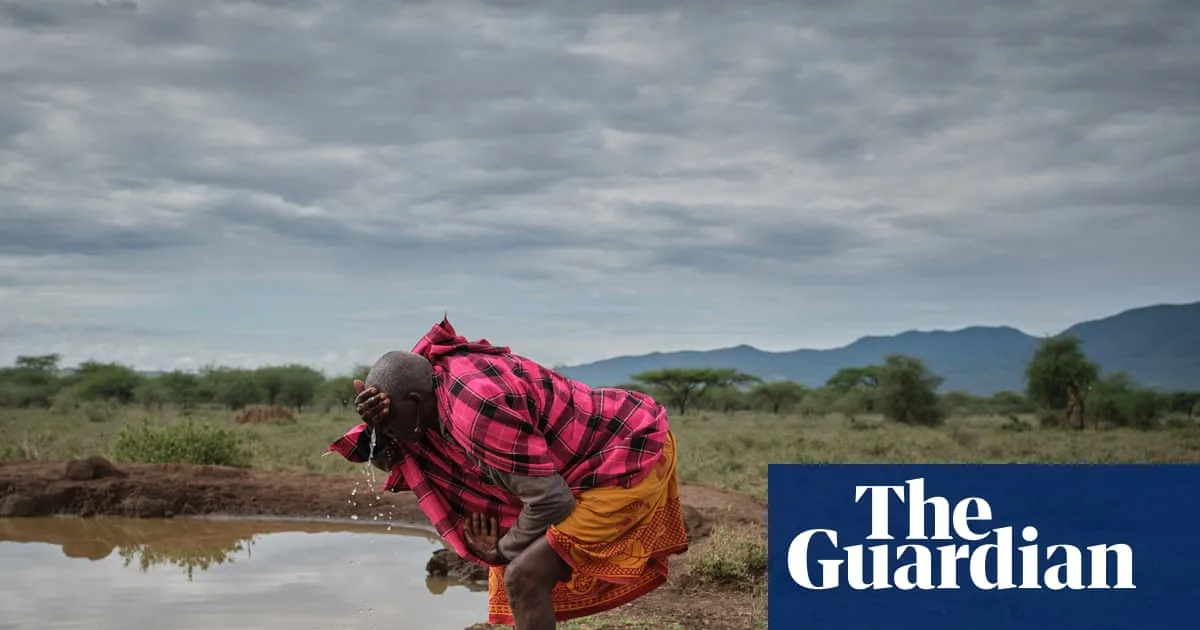
After four months of drought, the first rains have finally arrived in Oldonyonyokie, a hamlet in southern Kenya's Kajiado county. But Maasai elder Abraham Kampalei, 70, knows the crisis is far from over. 'All we can do now is pray that they continue,' he says, recalling how the once-abundant pastures have dwindled to almost nothing.
Kampalei has lived in the area for over 50 years, drawn by the lush grass for his livestock. Now, drought and extreme heat are compounding, a trend Kenyan meteorologist Joyce Kimutai attributes to La Niña and human-induced climate change. 'Heat levels are increasingly exceeding human tolerance,' she warns, predicting harsher conditions ahead.
Kenya's National Drought Management Authority reports 10 counties in drought, with Kajiado in the 'alert' phase. The drought has killed livestock, forced migration, and closed schools. Kampalei has already lost 10 cows on the move to better grazing lands, and 18-year-old Sian Diana has seen 22 cows die this year, threatening her dream of studying chemistry at university.
Diana fears her family may resort to child marriage for dowry, a practice illegal in Kenya but still prevalent. According to Girls Not Brides, 12.5% of Kenyan girls marry before 18. However, a 2024 Unicef study in Kajiado notes shifting social norms, with education emerging as a key preventive factor.
Water scarcity remains dire. Diana rides a donkey weekly to fetch 10 jerrycans from roadside drums. The rains have brought some relief, but as Kampalei says, 'the drought is far from over, and it will likely get worse.'




