
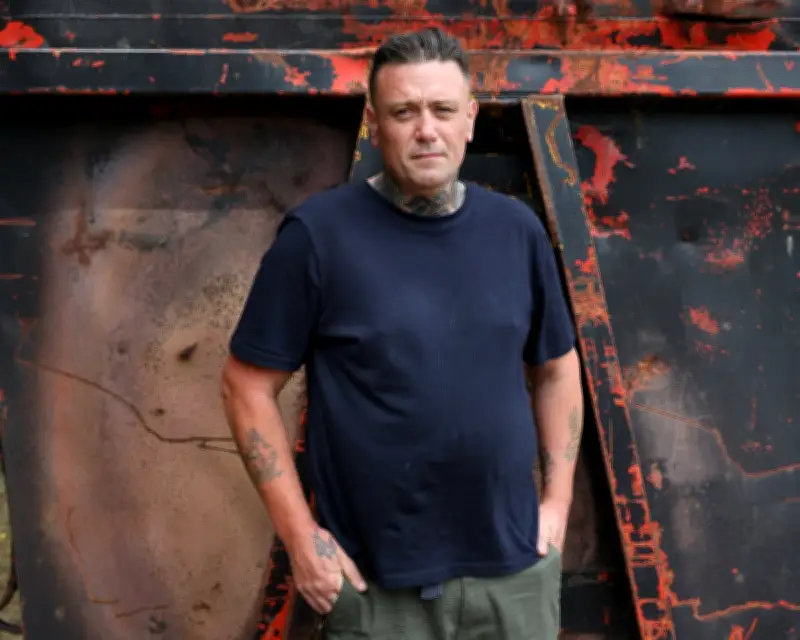
Micky Steeds, a former London Underground cleaner, has won an unfair dismissal case after being sacked for raising concerns about inadequate protection and disposal of hazardous waste, including asbestos. He now wants all tube passengers to know about the potential hazards his case has revealed.
Whistleblower's Concerns and Tribunal Findings
Steeds, a former professional boxer from Aveley in Essex, started working for London Underground in 2018, cleaning decades of dust from vents, lift shafts, and inverts—confined channels underneath station platforms for cabling. The job left him and his colleagues looking like chimney sweeps; dust was sometimes so thick he could not see his hands. On one shift at Tottenham Court Road, the cleaning gang disturbed so much dust it set off the station's fire alarms.
When Steeds discovered the dust could contain dangerous levels of asbestos and other substances including chromium, arsenic, silicates, and iron oxide, he began raising concerns, his employment tribunal heard. The tribunal found that for the first 15 months he was not fitted with a proper protective mask. Sometimes he had to use paper masks, which became blackened with dust after use.
Training and Hazardous Waste Disposal Issues
Steeds was given training on how to deal with asbestos, but only after he had been cleaning asbestos-sheathed cables with stiff vacuum brushes for 19 months. “We had been smashing it up for nearly two years [before] we did a course on how not to disturb it,” he told the tribunal.
Steeds also expressed alarm that the hazardous waste he was vacuuming up was not safely disposed of. The tribunal heard that in March 2023 he told one of his managers: “We’re fucking cowboys here, we’re dumping hazardous waste in general waste bags. I have looked at the information and we are supposed to be double bagging and disposing this as special waste, but it’s being put in a mixed commercial general skip.”
Tribunal Ruling and Protected Disclosures
In May, a judge-led tribunal concluded that this and several other complaints by Steeds constituted whistleblowing, amounting to protected disclosures under the Employment Rights Act 1996. His beliefs were “genuine and reasonable,” the panel found. The tribunal also found that London Underground had fallen short of “demonstrating compliance” on hazardous waste disposal. It stated: “The failure to dispose of hazardous waste appropriately may give rise to criminal and civil liability.”
The tribunal noted that this “may lead to other workers, and the public generally, being exposed to hazardous waste, including asbestos. [Steeds’] belief in the failure, and in the public interest, was reasonable. This was a protected disclosure.”
Steeds was sacked in August 2023 after being signed off work with anxiety. The tribunal found he had been given an “unfair ultimatum” to either retract his complaints and return to work, or be dismissed. The judgment said London Underground had failed to treat Steeds’ complaints as whistleblowing and had unfairly dismissed him. “The reason, or principal reason, for dismissal was that he made protected disclosures,” the panel said.
Reactions and Implications
Michael Ballantyne, Steeds’ solicitor from James & West Law, said the case showed the “stigma” facing whistleblowers. “Steeds was viewed as a troublemaker from the start and expected to fall in line. When he stood his ground, [London Underground] closed ranks and Steeds was given an ultimatum: either retract his disclosures or be fired. I’m glad to see the tribunal agreed this was unreasonable and unjustified. This is an important win for whistleblowers and a good lesson for employers.”
Steeds said he felt vindicated by the judgment and described it as his “best achievement” above his boxing wins. He urged London Underground to safely remove hazardous material and stop claiming it was safe. He alleged he witnessed bags of hazardous dust being tipped on tracks to avoid carrying them. “I just want to make people aware of what they are breathing in. It’s not just dust, it’s hazardous waste and they don’t know that. I personally don’t travel on the tube. I’d rather get a bus.”
London Underground is planning to appeal against the judgment. A Transport for London spokesperson said: “We have strict controls in place, in line with the government’s control of asbestos regulations, which ensure customers and staff are not at risk from exposure to asbestos when travelling or working on the tube network. Our specialist teams monitor and manage locations where asbestos has been found to ensure the safety of everyone travelling or working on the network.”




