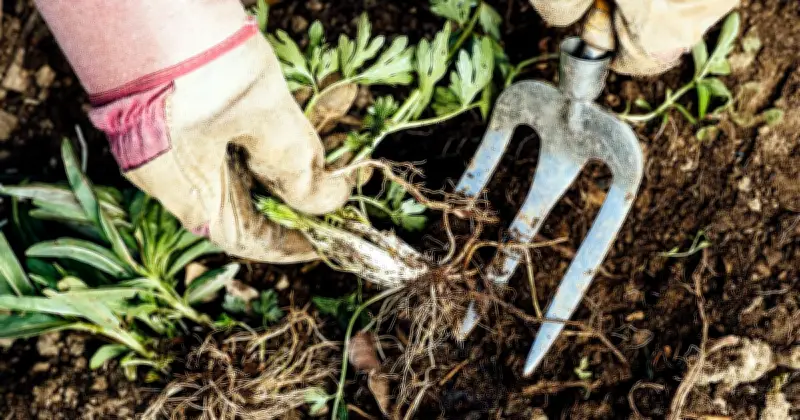
Gardeners struggling with summer weeds can use a simple, hands-free method called sheet mulching that requires no digging or harsh chemicals. The technique involves placing flattened cardboard boxes over weed clusters and covering them with mulch, effectively smothering unwanted growth while enriching the soil.
How Sheet Mulching Works
Elizabeth Florio of Garden & Gun explained: "It turns out the cardboard that passes through households in abundance is a low-fuss, good-for-the-soil, sustainable-many-times-over weed barrier." The cardboard blocks sunlight, preventing weed germination and growth, while decomposing to add carbon to the soil.
Weeds such as dandelions, daisies, bindweed, and ground elder thrive in summer's warm, wet conditions. Traditional remedies like white vinegar, baking soda, salt, and boiling water often fail to address persistent weeds. Sheet mulching offers a no-dig alternative that professional landscapers have used for years but remains a "revelation" for home gardeners.
Step-by-Step Cardboard Mulching
There is no need to clear existing weeds before laying cardboard. In fact, Charles Dowding forum members advise against it, as disturbing the soil can promote more weed growth. Instead, cut weeds back and allow the cardboard to flatten them. Choose plain brown cardboard with minimal ink, avoiding glossy or taped materials. Pizza boxes are considered safe. Layered boxes are most effective; hose them down to help them mould to the ground.
For planting directly over cardboard, add a top layer of compost and planting soil. Otherwise, spread mulch such as wood chips or pine straw directly onto the cardboard.
Gardener Success Stories
A gardening enthusiast on the Charles Dowding forum shared: "Under hedges I put cardboard with wood chip on top, nothing through at all. We also had a weed-ridden border which I put cardboard first, then planted heather into holes cut in it, then put peat compost all over as mulch and it is doing well, heather alive and had to pull about two weeds in two months."
This method not only suppresses weeds but also improves soil health without chemicals or strenuous labour, making it an ideal solution for summer weed management.