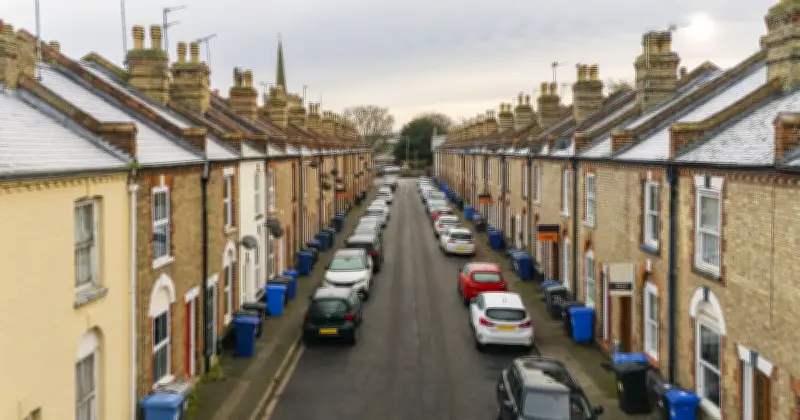
Newmarket, Suffolk, is globally renowned as the home of British horse racing, hosting events like the 2,000 Guineas and the July Cup. With 3,000 thoroughbreds in training and stud farms owned by billionaires such as Sheikh Mohammed bin Rashid Al Maktoum, it is one of the UK's wealthiest small towns. Yet, its high street is struggling, with empty shops and mixed feelings among residents.
Residents Voice Concerns Over High Street Decline
Stallholder Michael Blomquist sums up the divide: “The rich are rich, and the poor are poor.” He notes that while the horse racing industry retains the town's character, there are neglected sites like an overgrown old swimming pool and a disused pub. “They’d rather have empty shops than reduce the rent, which to me seems stupid,” he adds.
Guy Pracy from Swaffham Bulbeck echoes this: “There’s so much money in the area with all the stables. A little bit more could be spent on the high street.” He points to the derelict Rutland Arms hotel, vacant since 2019, and says many residents travel to Bury St Edmunds for shopping.

Mixed Views on Town's Appeal
Despite criticism, some praise Newmarket's independent shops. Jayne Vinter, who runs Starfish Boutique as a pop-up, says: “It’s a good high street because it’s got a lot of independents. It’s nice to find a high street where it’s a little bit more unusual and not just vape shops and trashy barbers.” Her son Zac adds that horse racing draws people from all walks of life, making the town unique.
Andre Rodrigues, owner of Shoe Station for 13 years, calls Newmarket a “good town” with plenty of work from racing, but criticises parking issues. Michael Griffin, from nearby Kirtling, says it’s a “very friendly town” but notes that if you’re not in racing, “you don’t really exist.” He laments the loss of independent shops over 25 years.
Independent Traders Face Challenges
Rhiannon Waygood, owner of And Sew We Begin, believes Newmarket needs more independent shops to attract visitors. “If there are no shops here, people don’t come, and then the retailers don’t want to come,” she says. She also advocates for free parking to boost footfall.
Simon Johnson, owner of Nancy’s Vintage Teashop, highlights the struggle of hospitality businesses. “Twenty percent VAT is the biggest killer for our business,” he says, adding that racing can both help and hinder: “Racing can suck life out of the town. Everyone who’s come for racing has gone, and the town is completely dead.” He fears he may not survive in three to five years.
A Town of Contrasts
Newmarket's iconic clock tower, erected for Queen Victoria's Golden Jubilee in 1887, stands as a symbol. The late Queen Elizabeth II was a frequent visitor, opening the National Heritage Centre for Horseracing and Sporting Art in 2016. A bronze statue of her with a mare and foal reflects the town's identity. Horses have automatic right of way over cars, underscoring their priority.
Yet, the high street struggles with national chains like B&M and TK Maxx dominating, while independents are tucked away. Visitor Jason Crighton finds the town clean and pleasant, but grandmother Jane says: “There are no decent shops. It needs a bit of life put back into it.”
As Simon Johnson contemplates his future, the question remains: if independent businesses can't survive in one of Britain's wealthiest towns, where can they?