Braiding Knowledge: The Convergence of Indigenous Expertise and Western Science
In a significant shift, researchers are increasingly weaving Native practices with Western scientific methods to revive ecosystems and reclaim food sovereignty for Indigenous communities. This convergence represents a departure from historical dismissals of Indigenous knowledge, fostering collaborations that enhance environmental understanding and community control.
The Role of Marine Ecologist Marco Hatch
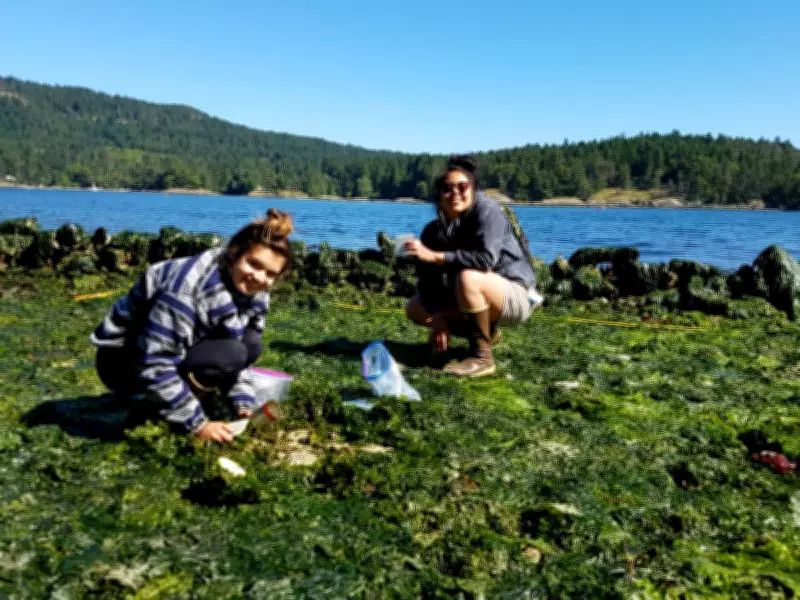
Marco Hatch, a marine ecologist at Western Washington University and an enrolled member of the Samish Indian Nation, humorously describes himself as a "glorified clam counter." He has been conducting surveys of mollusks in clam gardens across the Pacific north-west, collaborating with seven Indigenous communities to rebuild these ancient rock-walled, terraced beaches. His work, rooted in Western scientific methodology, provides data on beach ecology and clam health, aiding these nations in obtaining necessary permits to maintain or re-engineer these structures. This effort helps assert greater control over heritage and regain food sovereignty.
A Massive Shift in Scientific Perspectives
Kyle Whyte, a professor of environmental justice at the University of Michigan and a member of the Citizen Potawatomi Nation, notes that this represents a "massive shift." Historically, Western scientists viewed their methods as rigorous and empirical, while often classifying traditional Native thought as mythic or unreliable. However, a long-overdue "braiding" of Native and Western knowledge is becoming more common, driven by Indigenous authors, academics, and institutional changes.

For instance, Vine Deloria Jr. and Robin Wall Kimmerer have highlighted Native environmental practices, while tribal nations are hiring their own scientists. Non-Native institutions, like the Brooklyn Botanic Garden, are including Lenape names for food plants, and international organizations are recognizing Indigenous voices in climate discussions. Since 2022, federal funding has supported studies on combining these knowledge systems, ensuring each remains distinct yet strengthened.
Indigenous Knowledge and Its Rigor
Kisha Supernant, director of the University of Alberta’s Institute of Prairie and Indigenous Archaeology, emphasizes that Indigenous knowledge contains "a rich history of observation, experimentation and understanding that has its own systems of rigor." This is evident in clam gardens, which Native communities built at least 4,000 years ago from Washington state through coastal British Columbia into south-east Alaska. These gardens provide habitat for species like butter clams, red rock crab, and seaweeds, enhancing biodiversity and protecting against shoreline erosion.
Studies show clam productivity is higher inside gardens, yet many Indigenous groups lost access due to colonization. Hatch facilitates reconnection, reawakening "sleeping" knowledge interrupted by land privatization and forced boarding schools. Elders share memories with new generations, strengthening cultural ties.
Collaborative Benefits and Challenges
Western science favors distinct disciplines, but Indigenous knowledge views ecosystems as interconnected. Braiding allows Western scientists to address community-identified problems, such as unhealthy fish or underproductive plants, while providing evidence to reintroduce ancestral foods. However, the necessity to "prove" Indigenous practices can be frustrating.
Suzanne Greenlaw, an ecologist with the Houlton Band of Maliseet Indians, participated in a 2016 study on sweet grass harvesting. Wabanaki practitioners demonstrated superior ecological understanding, leading to potential harvest rights restoration. She stresses that Indigenous people must maintain control over knowledge and its use, given Western scientists' history of extraction.
Greenlaw is now involved in restoring Acadia's freshwater marshlands, using pollen core samples to identify species like cattails and groundnuts. This helps Wabanaki non-profits determine which plants to restore for food sovereignty, though harvesting permissions remain uncertain.

Proven Ecological Benefits and Future Directions
Research shows Indigenous-managed systems boost ecological health. For example, Simon Fraser University found that forest gardens in British Columbia improved biodiversity and forest health. Kyle Whyte collaborates with the Sault Ste Marie Tribe of Chippewa Indians to reintroduce prescribed burns, proven through ecology surveys to benefit wildlife.
Whyte notes that Western studies often confirm what Indigenous people have known for generations, suggesting collaboration could save money and advance ecosystem research. Progress in braiding depends on equal weight; Supernant argues that if Indigenous communities must prove validity using Western methods, true integration is lacking.
Canada has made strides, with 2019 legislation requiring Indigenous knowledge in fisheries management. The IPBES included Indigenous knowledge in its latest assessment, but Whyte calls for earlier involvement of Indigenous people in research and more Indigenous-led initiatives, like the Center for Cooperative Ecological Resilience.
Hatch observes that when Indigenous knowledge holders and land managers reconnect to places like clam gardens, relationships strengthen, fostering community building among diverse groups. As he says, "The beach is a great place to connect," symbolizing the potential for continued collaboration and ecological revival.