Climate Expert Issues Dire 'Armageddon' Warning Over Human Extinction Threat
Human civilization faces 'absolute extinction' within just a few generations unless dramatic action is taken to reduce fossil fuel consumption, a leading meteorology expert has warned in stark terms.
'Preaching Armageddon' Unless Humanity Changes Course
Jim Dale of British Weather Services delivered the sobering assessment, stating: 'It sounds like I'm preaching the Armageddon. And to be frank with you, to a certain degree, I am. Unless things can turn around. If we don't get our act together...'
He elaborated that our children and grandchildren are staring down a 'really terrible future' if humanity fails to finally address climate change. According to Dale, the entire world would gradually deteriorate, from the smallest animals to the tallest plants, until nothing remains.
World Meteorological Organization Reveals Alarming Data
The warning follows a concerning report from the World Meteorological Organization (WMO), which revealed the world's climate is more imbalanced than ever before. Rising greenhouse gas concentrations have driven significant climate changes, with 2025 ranking among the three hottest years on record.
The global average temperature last year was approximately 1.43°C above pre-industrial levels from 1850-1990. This brings the world dangerously close to breaching the critical 1.5°C warming threshold, beyond which increasingly severe climate impacts would be triggered.
Record-Breaking Climate Events in 2025
Last year witnessed numerous extreme weather events worldwide:
- Horrifying heatwaves across multiple continents
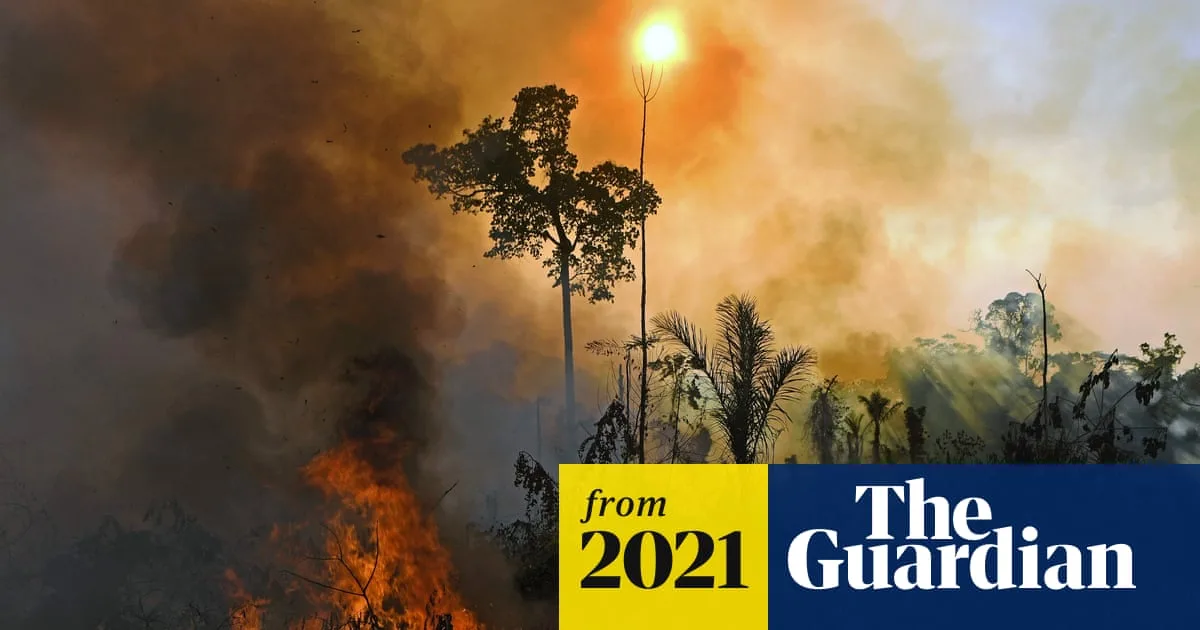
- Widespread wildfires that forced airport closures in Greece and Turkey
- A record number of summer wildfires in the United Kingdom
- Three Category 5 hurricanes during the 2025 season, including Hurricane Melissa which devastated Jamaica and Cuba, killing nearly 100 people and causing £6.5 billion in damages
- Widespread flooding in India and Pakistan that killed approximately 2,000 people
- Major flooding in Beijing that displaced 80,000 residents
Unprecedented Climate Indicators
Mr. Dale highlighted the WMO's findings about the world's energy imbalance and temperatures reaching their highest levels in 125,000 years, particularly ocean temperatures. 'That points to extinction. And I don't say that lightly. I say it in absolute terms. I'm saying, if things continue unabated as they are, then we are facing, as a human race, potential extinction.'
The WMO confirmed that 2015 to 2025 represents the hottest 11-year period on record. Concentrations of heat-trapping greenhouse gases—carbon dioxide, methane, and nitrous oxide—have risen to their highest levels in at least 800,000 years.
El Niño Threat and Future Projections
Another El Niño event is forecast to peak this year, potentially triggering another burst of global warming. If this occurs, 2027 could become the warmest year on record. Dale noted alarming temperature anomalies already occurring, such as areas in Arizona experiencing temperatures 5°C above previous records during March.
'If we don't get hold of it, then we're going to be in serious trouble. And although we're protected to a degree in the temperate world we live in, it's just a one-way street. Things will get worse and worse.'
Global Climate Emergency Declared
UN Secretary-General Antonio Guterres declared the global climate is now in a 'state of emergency,' with every key climate indicator flashing red. Planet Earth is being pushed far beyond its natural limits, according to the UN assessment.
The Fossil Fuel Dilemma and Societal Change Required
Greenhouse gas emissions and concentrations have been primarily driven by fossil fuel use. However, humanity has become so reliant on these energy sources that making meaningful changes would require enormous societal transformation.
Dale compared the necessary shift to 'dragging the Titanic up from the seabed' in terms of scale and difficulty. He warned that melting ice caps, increasingly severe storms, and rising sea levels will all intensify in a warmer climate, making life on Earth more hazardous and threatening.
The meteorology expert concluded that only major catastrophes—more severe than those already witnessed—might finally prompt the necessary realization and action, similar to how distant wars only become urgent concerns when threats reach one's own doorstep.






