
Asia, the world's largest crude oil importing region, is facing a severe energy crisis as the conflict between the US and Iran disrupts supplies from the Middle East. The Strait of Hormuz, through which about a fifth of global oil passes, has been effectively closed for nearly two weeks, with Iran's Revolutionary Guards threatening to block all oil exports if attacks continue.
Oil prices surged to four-year highs before falling back below $100 per barrel following US promises to lift sanctions on some countries and the release of emergency crude reserves. However, the war continues, and analysts warn that prolonged closure of the strait could exhaust stockpiles and lead to a major global economic crisis.
China, with the world's largest onshore crude inventories, has reportedly received millions of barrels from Iran since the conflict began. India has increased Russian crude imports after a US sanctions waiver, while Japan is releasing 80 million barrels from its stockpile as part of a co-ordinated IEA effort.
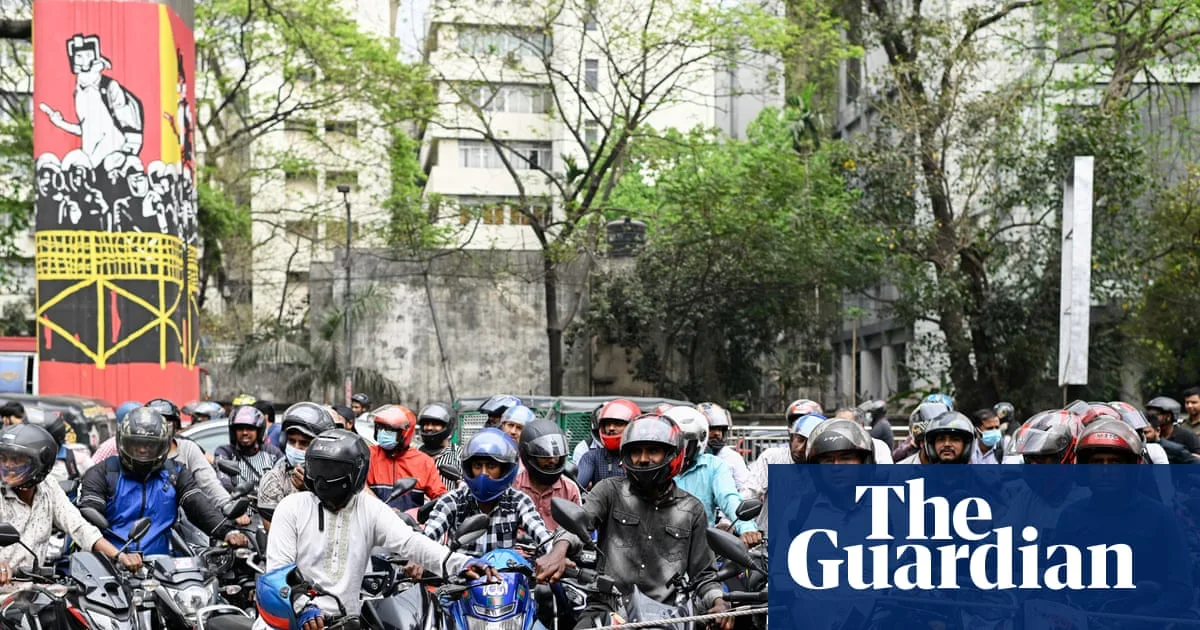
Other Asian nations are taking more drastic measures. South Korea has imposed its first domestic fuel price cap in nearly three decades. Thailand is spending tens of millions of dollars daily to subsidise fuel prices. Bangladesh has rationed fuel, closed universities, and deployed the military at oil depots. Myanmar has introduced rationing and banned half of private vehicles on alternate days. Pakistan has closed schools and imposed a four-day working week for government offices.




