
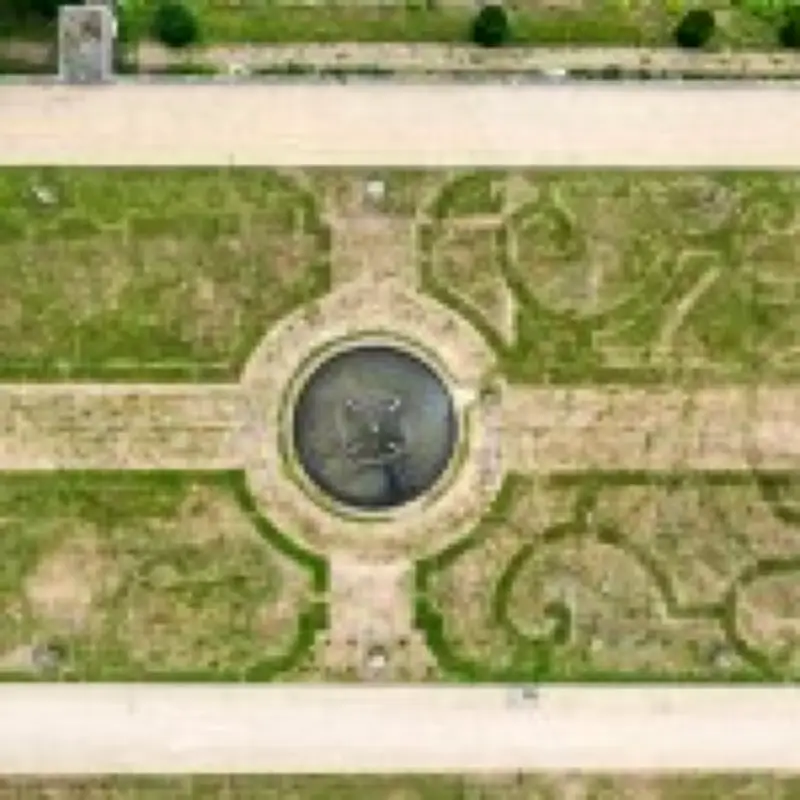
Weeks of scorching temperatures and little rain have revealed a centuries-old garden outside Chatsworth House in the Derbyshire Dales. The southern lawns have turned brown, exposing the outline of the Great Parterre, an ornate 17th-century garden design.
Discovery of the Great Parterre
The Great Parterre, a complex arrangement of swirling flowerbeds and paths, was created for the first Duke of Devonshire around 1699. Measuring 473 by 277 feet, it was flattened and replaced with a new design 31 years later by the third duke, William Cavendish. Chatsworth said the grass planted to replace the flowers has shorter roots, so it burns faster in hot, dry weather.
Climate conditions and impact
Estate officials reported that weather monitoring equipment recorded temperatures peaking above 30°C in May, June, and July. The estate has been 33% sunnier than normal, with 530.8 hours of sunlight, but rainfall was 32% below average at 108.2mm. Chatsworth noted a shift in climate towards sunny springs, prolonged dry periods, and occasional heavy rainfall.
South east England saw no rainfall from July 2 to July 18, the longest dry stretch since 1995. Estate gardeners are increasing organic matter in the soil to retain moisture, a practice that may become more common as hosepipe bans take effect in several regions.
Hosepipe bans and water shortages
Firms including Thames Water and South East Water are asking customers to cut water usage. Reservoir levels stand at 79%, five percentage points lower than average for this time of year. Areas affected by hosepipe bans include Bedfordshire, Berkshire, Buckinghamshire, Essex, Hertfordshire, Surrey, London, Norfolk, Suffolk, Cambridgeshire, Lincolnshire, Northamptonshire, Rutland, parts of Essex, Kent, Hampshire, and the Isle of Wight.




