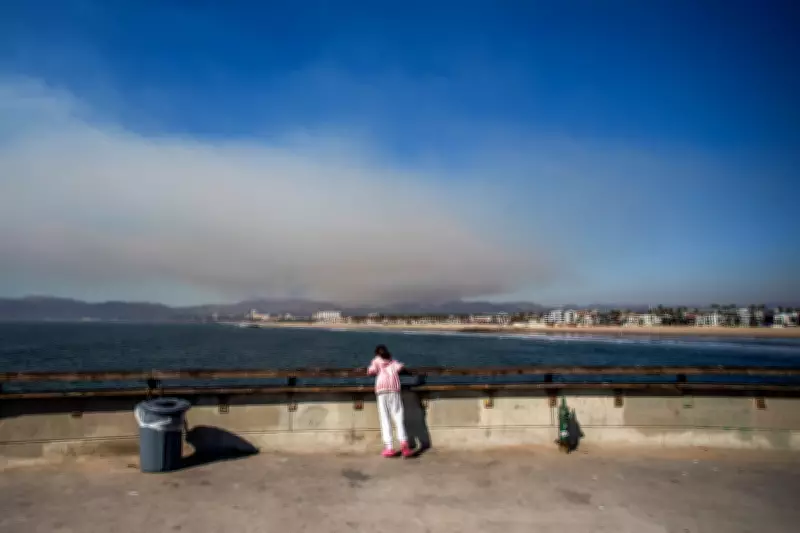
Nearly Half of US Children Breathing Dangerous Air Pollution, Report Finds
A stark new report from the American Lung Association (ALA) has revealed that nearly half of all children in the United States are exposed to dangerous levels of air pollution. The findings come amid warnings that expansive environmental rollbacks by the Trump administration's Environmental Protection Agency (EPA) are exacerbating the situation, putting young lives at greater risk.
Alarming Statistics on Childhood Exposure
The 27th annual air quality report, released on Wednesday, analyzed data from 2022 to 2024, grading pollution levels across the country. It focused on ground-level ozone, commonly known as smog, as well as year-round and short-term spikes in particle pollution, often referred to as soot. The results are deeply concerning: 33.5 million children in the US, representing 46% of those under 18, live in areas that received a failing grade for at least one measure of air pollution. Even more troubling, 7 million children, or 10% of all US children, reside in communities that failed all three pollution measures.
Will Barrett, assistant vice-president of the ALA's Nationwide Clean Air Policy, emphasized the unique vulnerability of children in an interview. "Children's lungs are still developing. For their body size, they're breathing more air. And also, kids play outdoors, they're more active, they're breathing in more outdoor air," he explained. "So, air pollution exposure in children can contribute to long-term developmental harm to their lungs, new cases of asthma, increased risks of respiratory illness, and other health considerations later in life."

Disproportionate Impact on Communities of Color
The report further highlighted that communities of color bear a disproportionate burden of unhealthy air. While people of color make up 42.1% of the US population, they represent 54.2% of those living in counties with at least one failing pollution grade. Additionally, a person of color is 2.42 times more likely than a white person to live in a community that fails all three pollution measures. This exposure contributes to higher rates of chronic health conditions such as asthma, diabetes, and heart disease, making these populations more vulnerable to pollution's effects.
Smog and Climate Change Drive Pollution Surge
Smog remains the most widespread pollutant affecting Americans' health. Between 2022 and 2024, 38% of the US population—approximately 129.1 million people—were exposed to ozone levels that jeopardized their health. This marks the highest number recorded in the ALA's report in six years, with a 3.9 million increase from the previous year. Several factors contributed to this rise:
- Extreme heat and drought conditions
- Wildfires, which have exposed a growing share of the population to harmful ozone
- Climate change, which intensifies ozone pollution by boosting precursor emissions and creating atmospheric conditions like higher temperatures and lower wind speeds that allow pollutants to accumulate
Regions most affected by high ozone levels include southwestern states from California to Texas, as well as much of the Midwest. This is largely driven by smoke from Canada's 2023 wildfires crossing into the US, combined with high temperatures and weather patterns that favored ozone formation in 2023 and 2024, particularly in southern states.
Datacenters and EPA Rollbacks Worsen Crisis
The report also identified datacenters as a growing source of air pollution. In recent years, datacenters have consumed roughly 4.4% of total US electricity, a figure that could rise to as much as 12% within the next decade. Their impact stems from reliance on regional electricity grids where fossil fuels like methane gas and coal still dominate generation, along with the use of diesel-powered backup generators that emit carcinogenic particulate matter. "As the demand for increases in datacenters continues to grow, the focus needs to be on non-combustion, clean renewable energy sources that are additive and not taking away from the grid," Barrett urged.

Barrett also pointed to a series of environmental rollbacks by the current EPA, warning they are putting air quality at greater risk. "There's a devaluing of children's health by this EPA as they are weakening, delaying, and repealing critical health protection," he said, citing reversals such as missing deadlines for particle pollution standards, repealing vehicle standards, and allowing increased emissions from oil and gas facilities. He highlighted mercury, a toxic air contaminant from coal plants, as a key concern, adding, "[There is] a wide-scale effort by the federal EPA to eliminate health protections while also distancing themselves from their own mission to protect public health."
Since returning to office last year, the Trump administration has initiated at least 70 actions to roll back environmental and climate protections. These include loosening regulations on power plants that limit mercury and other hazardous air toxics, overturning limits on major air pollution sources, disbanding EPA advisory committees on air quality, and ending the practice of estimating the monetary value of lives saved by limiting fine particulate matter and ozone while still calculating costs to companies.
The report underscores an urgent need for stronger environmental policies to safeguard public health, especially for vulnerable populations like children and communities of color, as air pollution continues to pose a severe threat across the United States.