Green Revolution Rhetoric Fails to Deliver Jobs for Coastal Youth
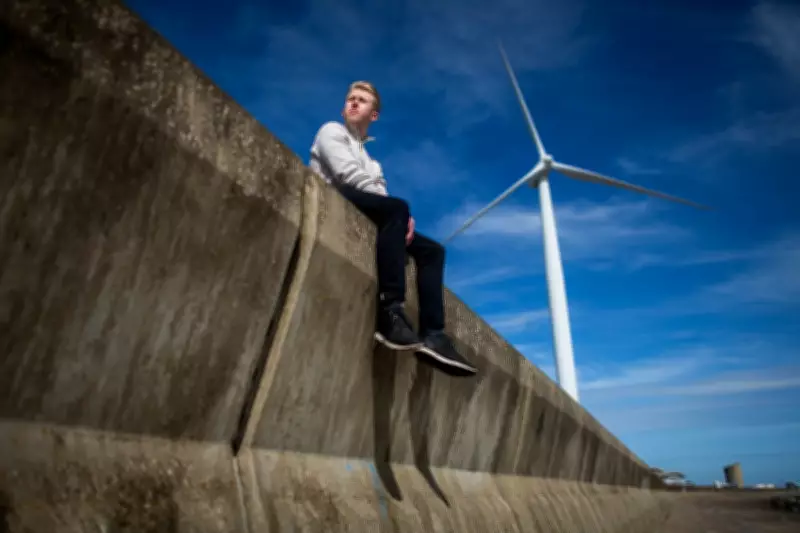
Jake Snell, a 20-year-old from Lowestoft, Suffolk, sits near the towering 'Gulliver' wind turbine at Ness Point, a symbol of the UK's green energy ambitions. Despite his impressive qualifications—including high grades in maths and physics A-levels, a distinction in BTec engineering, and another in an extended engineering diploma—the promise of 'green jobs' has largely eluded him and his classmates. This disconnect highlights a growing issue in coastal communities across England and Wales.
Promises vs. Reality in Deprived Coastal Towns
Lowestoft and nearby Great Yarmouth are part of a broader pattern of coastal areas ranking among the most deprived 20% in England, with limited employment opportunities. Snell, who has harbored hopes since secondary school of joining the green energy "revolution," pursued Stem subjects at college, aiming for apprenticeships over university. He recalls being told by educational bodies about strong industry connections and upcoming projects, but the reality proved starkly different.
Out of his 14-person cohort, only two secured apprenticeships, with just one in engineering. Many of his friends, initially seeking apprenticeship opportunities, have turned to university out of necessity. "It was quite frustrating," Snell says, noting the lack of viable alternatives despite widespread promotion of green roles.

Political Promises and Ground-Level Challenges
The government and opposition parties have heavily invested in green energy as a solution for economic growth in post-industrial and coastal regions. Last year, Ed Miliband pledged Labour would train people for an additional 400,000 green jobs by 2030, emphasizing roles in wind, nuclear, and electricity networks with above-average salaries. However, academics and experts point to significant gaps in implementation.
Rachel Wilde, a social anthropologist at University College London, notes that the term 'green jobs' remains nebulous, with little concrete evidence of what these roles entail. "There's a gap between politicians wanting to raise the profile of new economic opportunities and people on the ground discussing job prospects with young people," she explains. Wilde highlights that while high-profile roles like wind technicians are heavily promoted, they are oversubscribed, and most jobs are in less glamorous positions.
Educational Attainment and Community Needs
Coastal areas often face lower educational attainment, complicating access to specialized green roles. Avril Keating, a professor of youth studies at UCL, suggests rethinking what green jobs mean for these communities. "They are supposed to save deprived communities and help get people back into work. But are these posts suited to the people in these communities?" she asks. Keating argues for recognizing diverse roles within the sector, such as canteen workers, porters, or security guards, which are often overlooked but could provide stable employment.
Polly Billington, MP for East Thanet and chair of the coastal parliamentary Labour party, stresses the need for localized skills development. "We need to make sure that work is not being bounced around the country and given primarily to workers who may come in on a contract and disappear," she says, advocating for coastal communities to share in the benefits of green energy infrastructure.
Future Prospects and Government Initiatives
There is some hope on the horizon. The government's clean energy jobs plan includes establishing five technical excellence colleges focused on green energy training, such as the Colchester Institute and the City of Liverpool College. These institutions will offer programs in nuclear, offshore wind, solar, hydrogen, and construction trades. The Department for Energy claims to have created thousands of jobs in carbon capture and offshore wind in areas like Teesside and north Wales, with average salaries exceeding £50,000 in some sectors.
Ed Miliband, the energy secretary, asserts, "The clean energy economy is supporting a generation of young people in coastal and post-industrial communities to secure good, well-paid jobs," highlighting new opportunities for engineers, plumbers, and electricians.

Personal Impact and Community Pride
Snell has since found a role on the economic development team at his local council in east Suffolk. He believes that improving access to green energy opportunities is about more than financial gain. "Improved opportunities within the green sector could improve pride, as people will be able to see the impact they are having on their community," he says. This sentiment underscores the broader need for inclusive policies that bridge the gap between political rhetoric and tangible outcomes for young people in coastal areas.
As the UK pushes forward with its green revolution, ensuring that job promises materialize for those in deprived communities remains a critical challenge. Without more joined-up thinking and targeted support, the vision of a thriving green economy may continue to fall short for many like Jake Snell.