
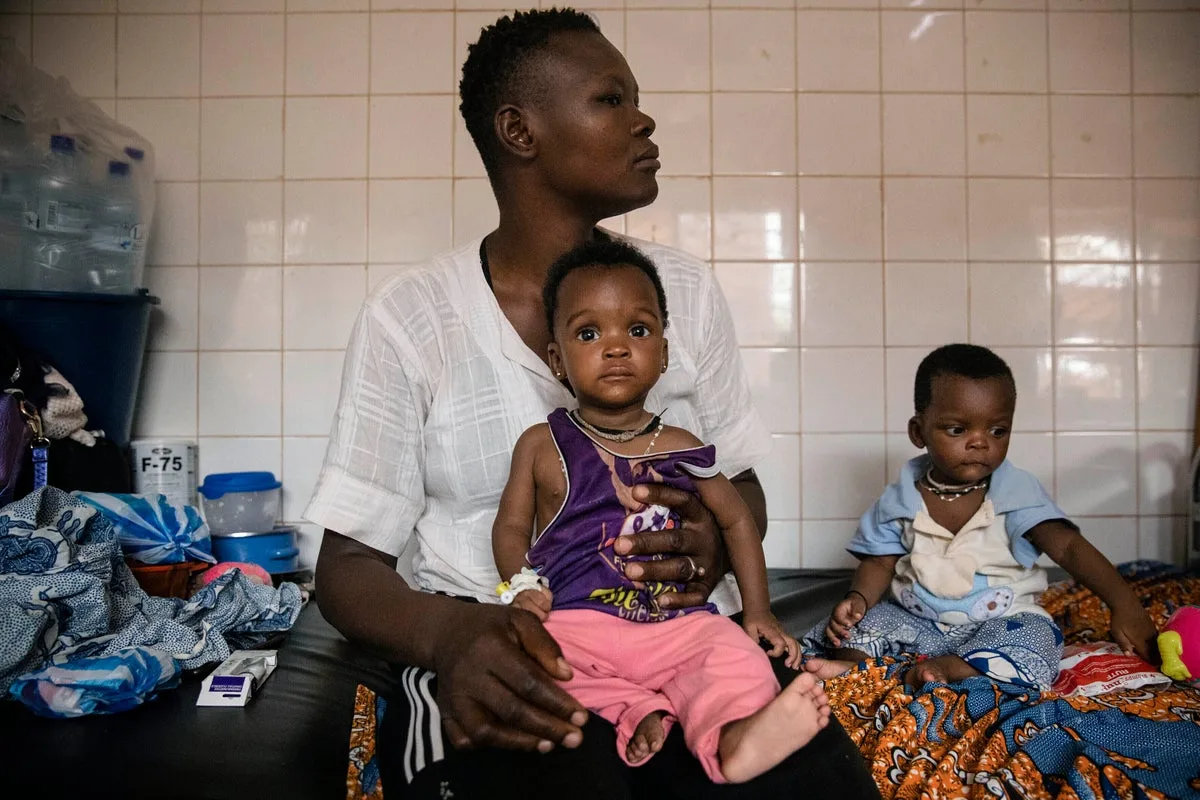
As world leaders gather for Cop28, new data reveals that extreme weather is driving acute food insecurity in fragile nations. Save the Children reports that 57 million people worldwide are experiencing crisis levels of hunger where climate shocks are the primary cause, nearly double the 29 million recorded in 2018.
In Somalia, heavy rains and floods have displaced an estimated 750,000 people this autumn, following five failed rainy seasons. The UN states that 1.84 billion people are currently affected by drought, while flooding and soil degradation from deforestation compound the crisis in many regions.
Representatives from vulnerable countries at Cop28 are calling for increased financial support. Mery Yaou, director of environment at Togo’s Ministry of Environment, told The Independent: 'We need more financial resources to tackle the food insecurity challenge.' In Togo, food insecurity has risen 142 per cent in three years due to Covid-19, refugees, and climatic shocks.
In the Central African Republic, 45 per cent of the population is food-insecure, with 65-75 per cent of disposable income spent on food. Businessman Jean Luc Andre Tete highlighted the need to protect the Congo rainforest, which generates 60 per cent of local rainfall. 'We need to retain our forest to protect our food system,' he said.
The challenges are compounded in conflict zones like the Palestinian territories, where extreme weather and political instability intersect. Without urgent action and investment, experts warn that global heating will continue to undermine food security in the world's most vulnerable nations.




