
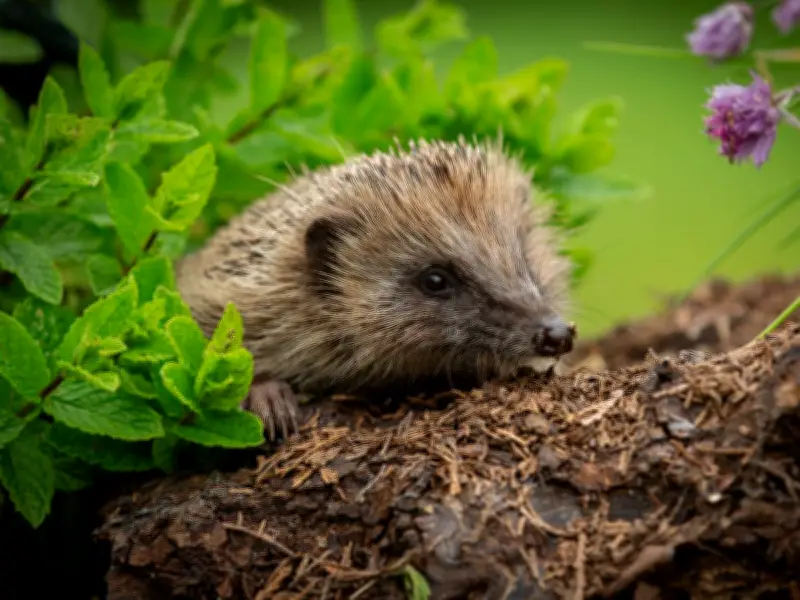
Gardeners have been strongly advised to avoid using slug pellets in their gardens to protect hedgehogs, which are now at risk of extinction in the UK. According to the RSPCA, hedgehogs are a "gardener's friend" because they eat beetles, caterpillars, worms, and other invertebrates that can harm plants. However, common gardening products, particularly metaldehyde-based slug pellets, can be harmful or fatal to these creatures.
Why Slug Pellets Are Dangerous
Slug pellets are small toxic baits used to protect plants from slugs and snails. When consumed by pests, they prevent feeding and cause death. However, hedgehogs can ingest the poison indirectly by eating contaminated slugs or snails. The Royal Horticultural Society (RHS) warns that metaldehyde slug pellets are now banned in the UK due to their high toxicity to wildlife. Gardeners should check their sheds for old pellets and dispose of them safely at a recycling centre.
Legal Protections for Hedgehogs
Under the Wildlife and Countryside Act 1981, it is an offence to kill or capture wild hedgehogs using traps, nets, or poisons. The NERC Act 2006 designates hedgehogs as a "species of principal importance in England and Wales," placing a duty on public bodies to protect them. The RHS advises using ferric phosphate pellets, which have organic certification and are safer for wildlife and pets, as an alternative.
Other Garden Hazards
Routine tasks like strimming can also injure or kill hedgehogs. Gardeners should check for hedgehogs before using such equipment. The RHS also warns that seeing a hedgehog during daylight hours is unusual and may indicate distress. In such cases, the British Hedgehog Preservation Society should be contacted at 01584 890 801.




