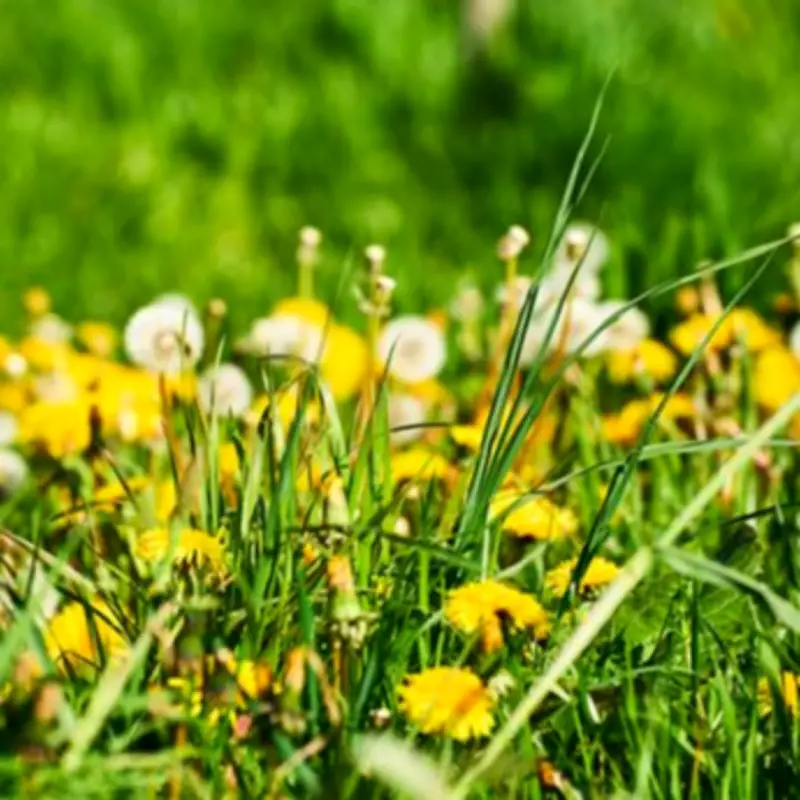
Gardeners across Britain are receiving an unexpected and welcome reprieve from their spring chores this year, as conservation experts urge them to put down their mowers and trowels for the remainder of April. The call to action is not about laziness but rather a crucial intervention to support local wildlife, particularly the nation's vulnerable bee populations, which face severe challenges during the early spring months.
The Critical Spring Struggle for Bees
April presents one of the most perilous periods for bees in the United Kingdom, as colonies emerge from winter hibernation in a weakened state and urgently need to forage for food to rebuild their strength. Unfortunately, this timing coincides with a scarcity of blooming flowers across the country, with many plants still too immature to provide the essential pollen and nectar that bees desperately require to survive and thrive.
Weeds as a Vital Lifeline
Helen Keating, a respected botanist with the Woodland Trust, is leading the campaign to change traditional gardening habits. She emphasizes that common lawn weeds, often viewed as unsightly nuisances, actually serve as indispensable food sources during this lean period. "Lawn weeds such as dandelions are excellent bee plants, providing vital pollen early in the season," Keating explains. "White clover attracts masses of honeybees, while the longer tongued bumblebees prefer red clover."

Dandelions, in particular, offer a protein-rich feast for bees, making them an exceptionally valuable resource. By simply allowing these weeds to flourish undisturbed, gardeners can provide a reliable and nutritious food supply that could mean the difference between life and death for countless bees.
The Dire Consequences of Bee Starvation
The stakes for bee survival in early spring could not be higher. Queen bees face a genuine risk of starvation without adequate food sources, potentially preventing entire colonies from establishing themselves. Even established hives will be depleted of energy and under significant stress, leading to the production of weaker bees later in the year, as reported by the Express.
Britain's bee population is already in alarming decline, with two species having already become extinct. This makes every supportive action from gardeners potentially critical for local ecosystems. The repercussions extend far beyond the bees themselves, as flowers, fruit, and vegetable plants depend heavily on pollination for growth. Without sufficient bee activity, agricultural productivity could suffer dramatically, triggering a domino effect that impacts birds, other insects, and broader wildlife populations.
Simple Steps to Support Bee Populations
Gardeners who wish to contribute to bee conservation can adopt several straightforward practices:
- Reduce mowing frequency: Allow your lawn to grow longer, particularly in April, to give weeds and clover the opportunity to flower.
- Designate a wild patch: If a completely unkempt lawn is unappealing, consider leaving a specific section less frequently mown to create a safe haven for bees.
- Cultivate bee-friendly plants: Introduce wildflowers and early-blooming crops like apple and wild cherry trees to your garden to provide additional food sources.
- Avoid chemical weed killers: If weed removal is absolutely necessary, opt for natural methods that won't harm bees or other wildlife.
Embracing a slightly untidy garden during April represents one of the easiest and most effective ways to support local bee populations. This simple adjustment in gardening habits can help ensure that bees receive the nourishment they need to rebuild their colonies, ultimately benefiting the entire ecosystem through enhanced pollination and biodiversity.