
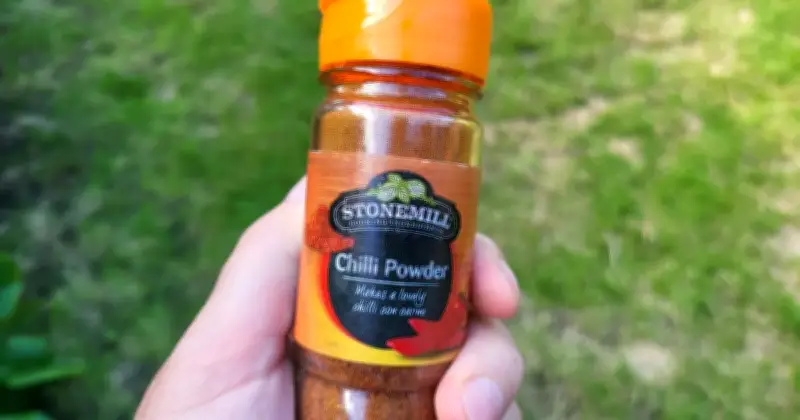
Gardeners are being urged to sprinkle chilli powder on bird food in July to prevent squirrels and foxes from stealing it, while birds remain unaffected by the spice. The advice comes as bird populations face significant declines due to habitat loss and a drastic reduction in insect numbers.
Why chilli powder works
Birds do not possess the receptors that detect capsaicin, the compound that makes chilli hot, so they are not bothered by it. In contrast, mammals like squirrels and foxes find the burning sensation unpleasant and will avoid treated food. The RSPB recommends shaking strong chilli powder or pepper sauce such as Tabasco onto bird food, stating: 'Birds aren't bothered by the chilli, but most squirrels can't put up with the burning sensation and will leave the food alone.'
Bird population crisis
The RSPB's Big Garden Birdwatch has recorded a long-term decline in garden bird numbers. Insect populations have fallen by as much as 80% over the past 20 years due to habitat loss and climate change, reducing the food available for birds and putting them at risk of starvation. Gardeners are encouraged to supplement birds' diets, especially during the summer months when natural food is scarce.
What to feed birds
Suitable bird food includes mealworms, suet, fat balls, and slices of fruit like apples and pears. Bruised apples and pears are particularly attractive. Household scraps such as pastry, cooked rice, and breadcrumbs can also be offered, but the RSPB advises against using too much of these items. Seeds and peanuts should not be left out between May 1 and October 31, as the RSPB suspects they may spread disease among birds.
Important precautions
The RSPB also warns against using flat bird tables, which were withdrawn from sale in 2024 due to disease concerns. Gardeners should ensure feeding stations are clean and that food is placed in feeders or on surfaces that can be easily sanitised.




