
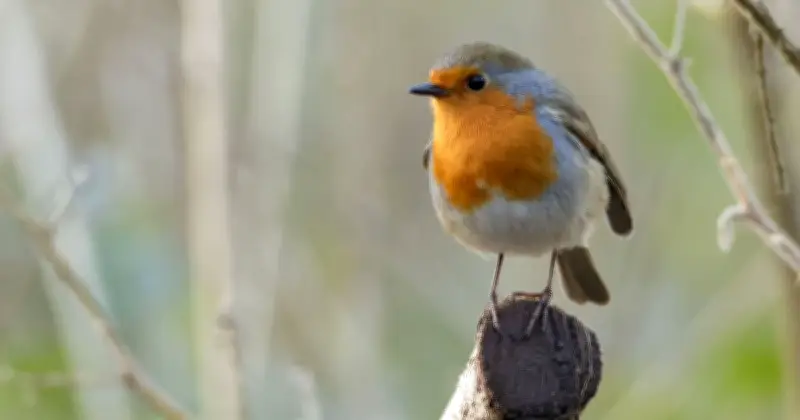
As temperatures are set to reach 30°C again in the coming weeks, SongBird Survival has issued urgent guidance urging gardeners to stop leaving birdseed out for birds like robins, blackbirds, and wrens. Instead, the charity recommends providing clean water to help birds through the scorching heat.
Why Water Is Better Than Birdseed
According to SongBird Survival, leaving water out for birds is far more beneficial than providing food such as birdseed or fat balls. The latest scientific research has revealed that bird feeders can transmit diseases like Salmonella and Trichomonosis to songbirds. Susan Morgan, CEO of SongBird Survival, said: "Although we recognise many people still enjoy feeding birds during the summer, we've made the difficult decision to ask bird lovers to stop. In the summer months, there are plenty of insects, berries, and seeds available, so there's no need for us to put out extra food. Research has also shown that feeding birds in summer may upset the delicate natural balance of different types of birds in your local area and may also increase the risk of disease spreading."
Declining Songbird Populations
Even without the risks from feeders, songbird populations are already declining. Blackbird populations have been badly affected by the Usutu virus, transmitted by mosquitoes. Greenfinches and house martins are particularly at risk from heat, as they lose water at a greater rate than other birds and require higher levels of hydration.
Simple Steps to Help Birds
To combat this decline, SongBird Survival recommends leaving clean water in a shallow dish or bowl, and not making bird baths too deep. They also advise cleaning the dish weekly and planting flowers to attract insects and provide natural food sources. Garden designer and songbird expert Nicola Oakley, who has winning experience at RHS Chelsea Flower Show, said: "In my own garden, I tuck shallow saucers of water in places that have shelter from plants. This means the birds can bathe and drink with protection from predators. At this time of year, it's tempting to cut back or deadhead plants that have finished flowering for the year. Many plants have really valuable seeds or fruits, such as perennial cornflower (Centaurea) and plume thistle (Cirsium), so, I would encourage people not to pick up their secateurs too quickly. Leaving that structure in our borders, especially over autumn and winter, provides vital cover and places for birds to forage for food."




