
Scientists have identified common fruits and vegetables that contain toxic 'forever chemicals', known as PFAS, which have been linked to serious health issues including cancer. The Environmental Working Group (EWG), a nonprofit organisation focused on public health, released its 2026 Shopper’s Guide to Pesticides in Produce, revealing that these chemicals are present in many non-organic items.
The guide includes the 'Dirty Dozen' list of produce with the highest pesticide residues. According to the EWG, 96% of samples from this list contained pesticides, with forever chemicals found in 63% of them. Spinach topped the list, followed by kale, collard and mustard greens. More than half of kale samples were contaminated with DCPA, a pesticide classified as possibly cancer-causing.
Other fruits and vegetables on the Dirty Dozen include strawberries, grapes, nectarines, peaches, cherries, apples, blackberries, pears, potatoes, and blueberries. The EWG's analysis is based on the latest data from the US Department of Agriculture.
While the findings are concerning, the Government Accountability Office has noted that nearly everyone in the US has already been exposed to PFAS. These chemicals are not only found in food but also in tap water, takeout containers, and makeup. The Food and Drug Administration says it takes action if a food contains PFAS levels that pose a health concern.
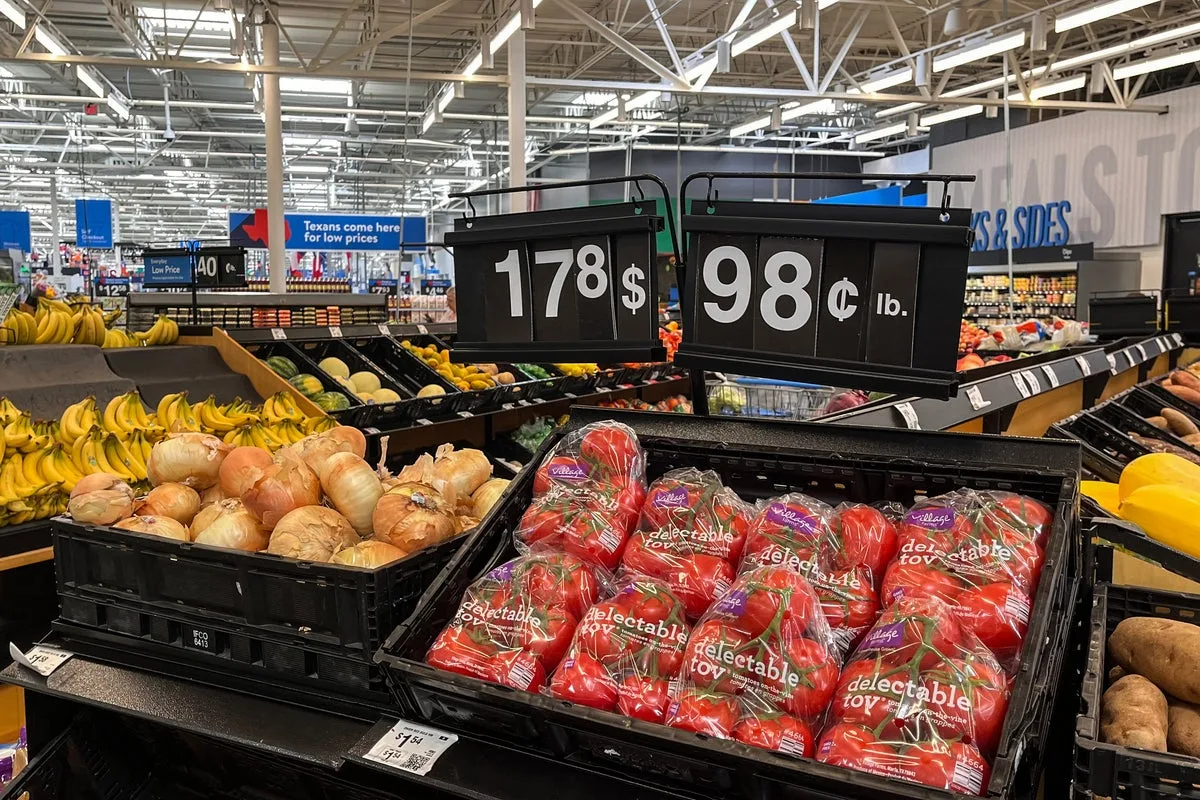
For those seeking lower pesticide options, the EWG's 'Clean Fifteen' list includes pineapples, sweet corn, avocados, papaya, onions, frozen sweet peas, asparagus, cabbage, cauliflower, watermelon, mangoes, bananas, carrots, mushrooms, and kiwi.




