Britain's Flooding Crisis Intensifies as Net Zero Support Declines
Britain is currently grappling with widespread flooding, with severe weather events causing significant damage to homes, infrastructure, and communities across the country. The situation has highlighted the urgent need for robust climate action, yet paradoxically, support for net zero policies appears to be waning among both the public and political factions.
Rising Waters and Falling Backing
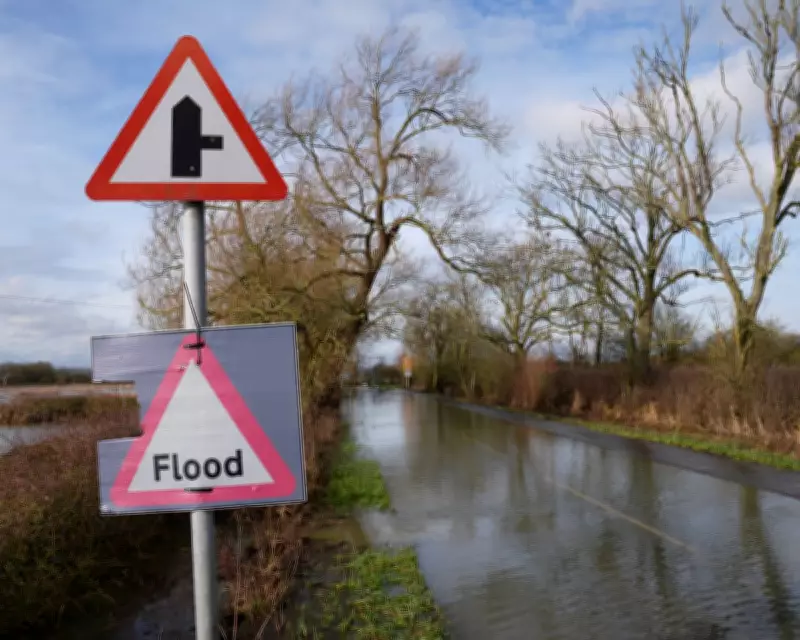
Recent storms and heavy rainfall have led to extensive flooding in regions such as the Midlands, Yorkshire, and parts of southern England. Emergency services are on high alert, and thousands of residents have been evacuated from their homes. The economic impact is substantial, with estimates suggesting billions in damages to property and businesses.
Despite the clear link between such extreme weather events and climate change, there is a noticeable decline in enthusiasm for net zero initiatives. Polls indicate that public concern over climate issues remains high, but practical support for policies like carbon taxes, renewable energy investments, and emission reductions is faltering, often due to economic pressures and political debates.

Political and Public Divisions
In Westminster, the consensus on net zero has fractured, with some politicians arguing that the costs of green transitions are too burdensome for households and industries. This has led to delays in key legislation and reduced funding for environmental projects. Meanwhile, grassroots activism continues, but faces challenges in mobilizing broad-based support amid competing priorities like inflation and healthcare.
Experts warn that without sustained commitment to net zero, Britain risks exacerbating future flooding and other climate-related disasters. They emphasize that adaptation measures, such as improved flood defenses and sustainable urban planning, must go hand-in-hand with emission cuts to build long-term resilience.
Looking Ahead
The flooding crisis serves as a stark reminder of the consequences of inaction on climate change. As Britain navigates this challenging period, the balance between immediate disaster response and long-term environmental strategy will be crucial. The decline in net zero support underscores the need for clearer communication and more inclusive policies to regain public trust and drive meaningful progress.