
European gas prices have hit a four-month high as the escalation of the conflict in the Middle East raises fears of supply shortages this winter. The Dutch natural gas benchmark briefly rose above €60 a megawatt hour (MWh) on Monday, near the peaks seen at the start of the US-Iran conflict, after the US expanded its aerial offensive and Iran retaliated with strikes on Bahrain and Kuwait.
Analysts Warn of Winter Pressure on European Gas Supplies
Analysts at Independent Commodity Intelligence Services (ICIS) said Europe’s gas supplies were facing pressure this winter, with the conflict delaying the expected recovery of Qatari liquefied natural gas (LNG) exports in the critical summer storage season. According to Andreas Schroeder, head of energy analytics at ICIS, “A cold winter start would substantially increase the cost of meeting the EU’s 80% storage target. While security of supply remains achievable, the cost of achieving it rises sharply.”
Potential for State Intervention If Prices Stay High
The market intelligence firm added that if the price of gas stayed at about €60 a MWh, it could mean “potentially costly state intervention to safeguard security of supply,” although its modelling suggested European gas storage could still reach targets by late November. European gas storage is now less than 54% full, compared with 64% at the same point last year.
Disruption to Qatari LNG Exports and Global Supply
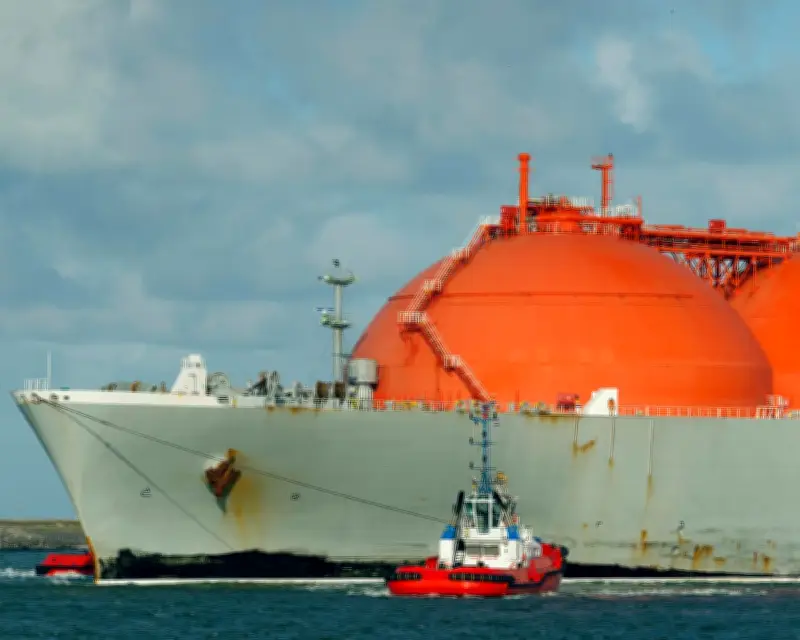
ICIS calculated that just 26 LNG cargoes had managed to cross east out of the Gulf since the conflict began on 28 February, compared with the usual 90 to 100 each month. The disruption to Qatari LNG exports has already affected gas supplies, with ICIS cutting its forecast for global LNG supply this year from 441m tonnes to 431m tonnes. European countries may have to pay about €54 a MWh this autumn to restock supplies, and up to €60 a MWh if a colder start to winter materialises.
Oil Markets Also Affected
The latest escalation, which comes as diplomats claim that talks remain ongoing, again threatens shipping transiting the Strait of Hormuz, through which about 20% of the world’s oil and gas passed before the Iran conflict broke out. There has also been a knock-on effect on oil markets from the fresh exchange of fire, with Brent crude briefly breaching the $90 a barrel mark on Sunday – its highest level in a month – before easing after Iran said diplomatic exchanges with the US via mediators were continuing despite the strikes. The price of gas eased later on Monday to about €57 a MWh.
UK Tied to International Market Volatility
Jess Ralston, head of energy at the Energy and Climate Intelligence Unit, commented: “Gas prices rising to near the peaks of the start of the US-Iran war is a reminder that whatever we do in the UK, it has no significant impact on the price we pay for gas. The reality is that we are tied to international markets and the volatility that has come twice in the past few years from war thousands of miles away.”




