
Extreme heat has seared Europe this week, with the UK smashing its top heat record for June for three days in a row, and France sweltering through its hottest day and night on record. As fossil fuel pollution bakes the planet, making heatwaves hotter and longer, some places are adapting better than others.
Check-ins on Older Neighbours
Older people are vastly overrepresented in the death tolls from heat, and doctors say one of the most effective things you can do in a heatwave is check on those around you. A handful of cities including Paris have organised this as an official service, in which people with health problems or over the age of 60 can sign up to be contacted by the authorities during a heatwave.
In Denmark, the DaneAge Association offers safety check-in calls in 170 out of 215 local branches. The scheme started more than three decades ago as a telephone chain, where one person called the next, who called the next – and relatives were informed if someone did not pick up. Because some people felt uncomfortable passing the call forward, the association said, most groups today are organised into “telephone stars”. Across Denmark, about 1,700 volunteers take turns phoning older people living alone for a brief welfare check in a confidential phone call.
Heat safety is just one part of the scheme but also where some of the health benefits may be greatest. And as temperatures have risen this week, the association has also encouraged the public to check in on neighbours and relatives, offer to help them with shopping and remind them to stay hydrated.
Climate Shelters
Before heat gets unbearable, finding a place to cool down can spell the difference between life and death. The US and Australia are fond of huge air-conditioned sports facilities in which people can seek refuge when the weather gets hot, but these are often hard to reach for those without cars. Parts of Europe have instead sought to repurpose public buildings such as schools, museums and libraries, and turn them into cooling centres.
Climate shelters became popular in Barcelona, a pioneer of urban design that is famous for its “superblocks”, and the shelters have swelled in number to more than 400 since 2020. They have spread across Spain and farther afield, with cooling zones popping up from Paris to Amsterdam and Vienna. More than 90% of vulnerable older residents of Barcelona live within a 10-minute walk of a climate shelter, a study found in September, though summer closures mean this drops to 75% in August, when they are needed most. Supporters say repurposing spaces to make them heatwave-safe requires only minor investments, such as changing opening hours and training staff, and can unlock a potentially life-saving refuge that keeps temperatures low and lets people drink water and use the toilet.
Making Shade
While air conditioning can be crucial for keeping temperatures down in hospitals and care homes, health experts want to stop the heat from getting inside before trying to take it out. Across southern Europe, buildings have long been designed to offer shade that northern Europe lacks. These include painting walls and roofs white to reflect sunlight, and adding external shutters, screens and awnings. Parts of northern Europe are taking note, with Amsterdam’s heat officer this week advising local people to drape curtains outside their windows.
“Is it always architecturally chic? No,” she said in a viral social media post that advised clamping an extendable rod between window frames and hanging sheets outside. “Does it work? Yes.” The gap between northern and southern European heat management extends to behaviour – with shops and businesses closing during the hottest part of the day and reopening when it cools – and the design of urban space. Narrow streets, thick-walled courtyards, plentiful trees and widespread fountains help keep the heat from building up. So-called “shading sails” that form fabric canopies above streets can further reduce exposure to scorching heat.
Greening Urban Spaces
Cities are uncomfortably hotter than their surroundings because concrete and tarmac trap heat. Add to that the heat-generating bustle of people and machines, from cars to datacentres, and urban temperatures can rise by a potentially fatal 2-3C. It is a particular problem for Paris, which has zinc roofs that get jarringly hot, turning top-floor attic apartments into deadly heat traps.
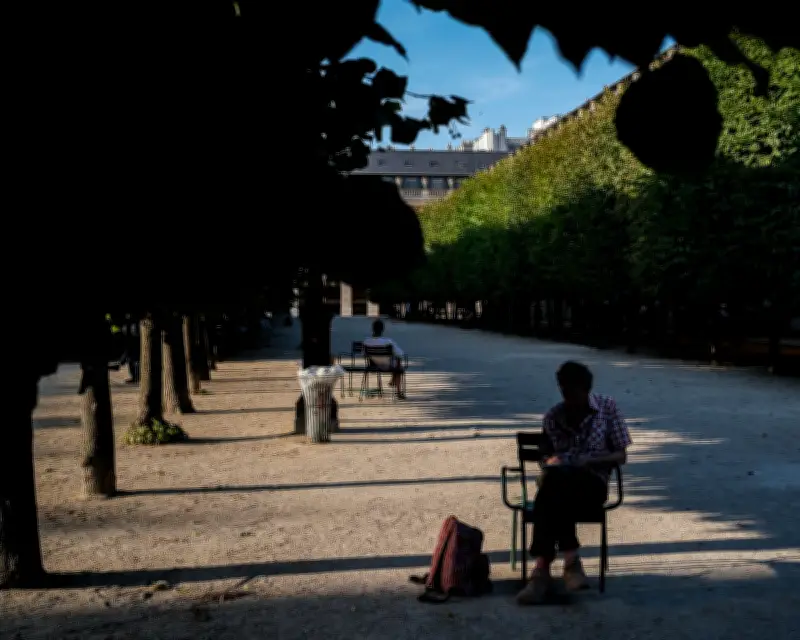
But Paris has led the way in recent efforts to green itself, planting more than 150,000 trees and creating 63,000 hectares of green space under the previous mayor, Anne Hidalgo. These cool the city and provide shade that can keep people out of direct sunlight. Paris has also encouraged people to cycle instead of drive, building bike lanes, pedestrianising streets and removing car parking spots, which reduces the heat generated in the first place.
Experts say the health benefits of such solutions during a heatwave extend beyond the reduction in temperature. Active travel and green space leaves people healthier, including by reducing the risk of cardiovascular disease and obesity, which in turn leaves their bodies better prepared to withstand the stress that hot weather places on their organs. And by cutting emissions of planet-heating pollution, future heatwaves will not get so hot.




