EPA Proposes Historic Step to Address Microplastics and Pharmaceuticals in Drinking Water
The Environmental Protection Agency (EPA) has taken a significant step forward in addressing emerging threats to public health by proposing to include microplastics and pharmaceuticals on its Contaminant Candidate List for drinking water. This marks the first time these substances have been considered for such designation, potentially paving the way for future regulatory limits on their presence in water supplies across the United States.
A Response to Growing Public Concern
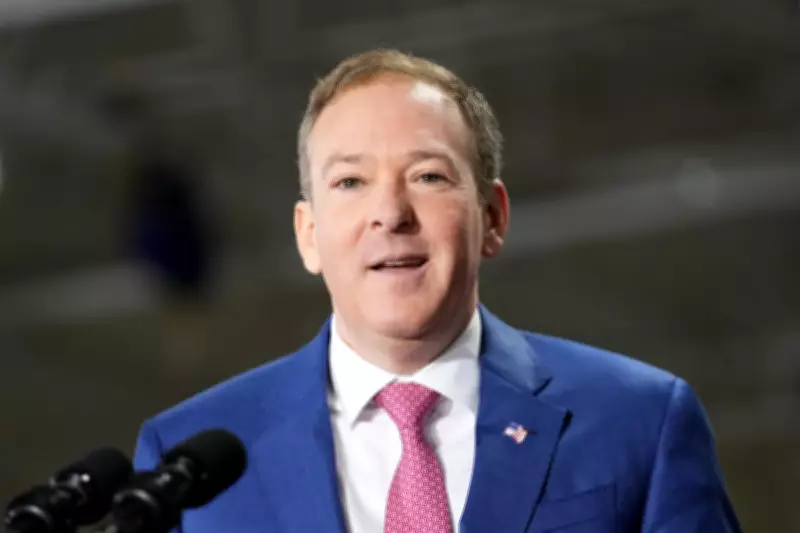
EPA Administrator Lee Zeldin announced the proposal on Thursday at the agency's headquarters in Washington DC, emphasizing the urgency of the issue. "I can't think of an issue that hits closer to home for American families than the safety of their drinking water," Zeldin stated. The move responds to mounting worries among Americans about the infiltration of plastics and pharmaceutical residues into their water sources, a concern amplified by recent scientific studies.
Research has increasingly highlighted the prevalence of microplastics not only in drinking water but also within human organs, including hearts, brains, and testicles. While the full health implications are still under assessment, experts warn of potential risks. Similarly, pharmaceuticals entering the water supply via human excretion and inadequate wastewater treatment pose a growing challenge, with conventional plants often failing to remove these compounds effectively.

The Contaminant Candidate List Process
The EPA's Contaminant Candidate List identifies contaminants in drinking water that are not currently regulated under the Safe Drinking Water Act. The agency has published a draft of the sixth version of this list, initiating a 60-day public comment period with the goal of finalizing it by mid-November. This list serves as a tool for prioritizing research, funding, and regulatory decisions, though historically, few pollutants have progressed from the list to enforceable limits.
In March, the EPA indicated it would not develop regulations for any of the nine pollutants from the most recent list examination, underscoring the often slow and uncertain path from listing to action. "It's the beginning of a very long process that routinely ends in nothing," noted Erik Olson, a senior attorney at the Natural Resources Defense Council.
Mixed Reactions from Advocates and Industry
Environmental advocates have welcomed the proposal as a positive, albeit preliminary, move. Judith Enck, a former EPA regional administrator now leading Beyond Plastics, described it as "the first step toward eventually regulating microplastics in public water supplies." However, she and others caution that much more needs to be done to combat plastic pollution at its source.
Dr. Philip Landrigan of Boston College's Global Observatory on Planetary Health pointed out that without curbing the rapid growth in plastic production, such regulatory efforts may have limited impact. The United States, while participating in global plastic pollution treaty talks, has opposed limits on plastic production, highlighting a broader policy conflict.
Industry groups, such as the American Chemistry Council, have expressed support for standardized monitoring and research into microplastics but emphasize the need for consistency nationwide. Meanwhile, organizations like Food & Water Watch argue that listing alone is insufficient without robust monitoring under the Unregulated Contaminant Monitoring Rule.
Political Dynamics and the Maha Movement
The proposal also aligns with pressures from Health Secretary Robert F. Kennedy Jr.'s Maha movement, which has been advocating for stricter environmental contaminant controls. Kennedy, whose 2024 presidential campaign focused partly on plastic pollution, recently announced a $144 million initiative called Systematic Targeting of Microplastics (Stomp) to better measure and remove microplastics from human bodies.
"We can't treat what we cannot measure. We cannot regulate what we don't understand," Kennedy remarked at the EPA event. The Maha movement has urged Zeldin to address pesticides, plastics, and PFAS chemicals more aggressively, with activists expressing frustration over perceived inaction despite fragile political ties.

David Murphy, a former fundraiser for Kennedy now working with United We Eat, criticized the EPA's approval of new pesticides under Zeldin's tenure, calling it "one step forward, two steps back." The EPA has hinted at a forthcoming Maha agenda addressing issues like forever chemicals and lead pipes, but details remain pending.
Broader Context and Future Steps
The Safe Drinking Water Act mandates that the EPA update the Contaminant Candidate List every five years and consider regulating at least five contaminants from it. However, in previous cycles, the agency has often determined that no regulatory action is necessary for most listed substances. This history raises questions about the ultimate impact of the current proposal.
Political shifts further complicate the landscape. The Trump administration has sought to roll back environmental rules, including plans to rescind limits on some forever chemicals in drinking water, a move opposed by environmental groups fighting to preserve Biden-era standards.
The new draft list includes four contaminant groups—microplastics, pharmaceuticals, PFAS, and disinfection byproducts—along with 75 chemicals and nine microbes potentially found in drinking water. As the public comment period unfolds, stakeholders will be watching closely to see if this proposal translates into meaningful action against the invisible threats lurking in America's water supplies.